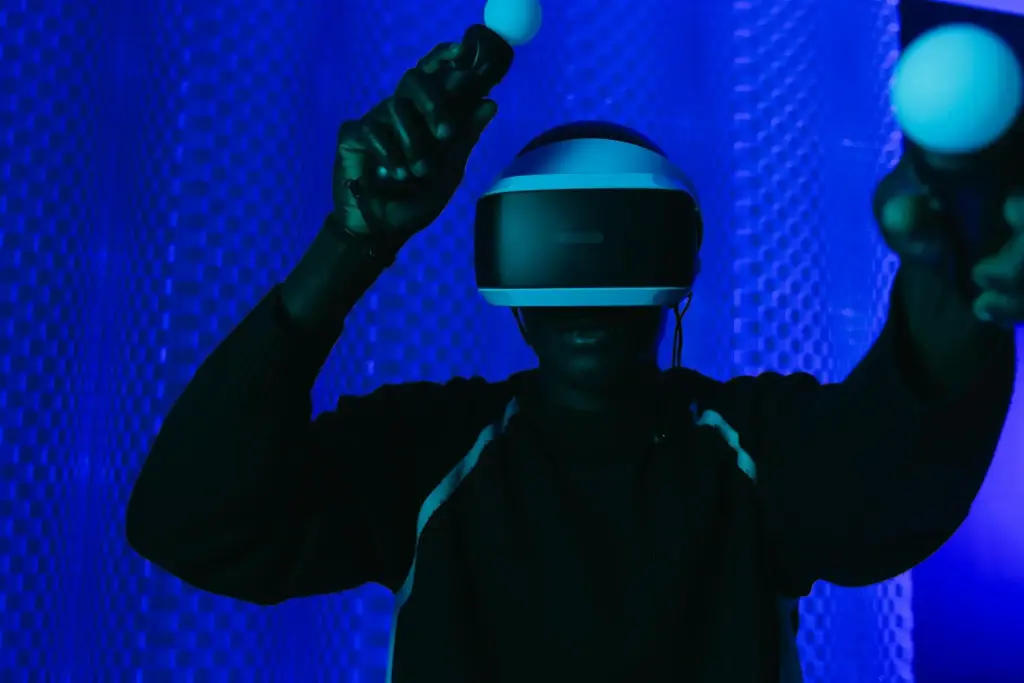
In a stunning turn of events, Meta Horizon Worlds has officially reversed its plan to shut down on Quest VR headsets, delivering a massive win for the virtual reality community. The company initially announced the shutdown would happen in March 2026, but after fierce backlash from users and developers worldwide, Meta decided to keep the platform alive just one day before the closure was set to take full effect on March 20, 2026.
The dramatic reversal came as a profound relief to the millions of users who had built elaborate virtual worlds, connected with friends across the globe, and spent countless hours inside Meta Horizon Worlds since its launch. Many took to social media to express their joy and relief, with some calling it a significant victory for digital communities and grassroots activism in the tech space. The hashtag #SaveHorizonWorlds trended globally across multiple platforms as devoted users rallied together to preserve their virtual homes and creative spaces.
Why Meta Horizon Worlds Changed Course
Meta CEO Mark Bosworth addressed users directly in a public statement, saying, "We have decided, just today in fact, that we will keep Horizon Worlds working in VR." The company cited the overwhelming passionate response from its dedicated user base as the key factor behind this dramatic U-turn. The VR platform had been facing mounting criticism for years due to declining active usage numbers and the massive financial losses reported by Meta's Reality Labs division, but the unprecedented community pushback proved conclusively that there was still genuine, unwavering demand for the platform among gamers and VR enthusiasts.
According to comprehensive app metrics reported by Appfigures, Meta Horizon Worlds has accumulated approximately 45 million mobile downloads since its initial launch, with an impressive 1.5 million new downloads recorded in 2026 alone. These numbers, while modest compared to mainstream social platforms, represent a dedicated and fiercely loyal core user base that Meta apparently could no longer afford to overlook or ignore. Independent developers who had created custom worlds, mini-games, and immersive experiences within Horizon Worlds also voiced their collective frustration, warning company executives that the shutdown would irreparably destroy years of creative work and community building.
This Meta Horizon Worlds shutdown reversal also drew significant attention from industry analysts across the technology sector who noted that Meta's decision to listen to its community sets an important and potentially precedent-setting example for how major tech companies should handle underperforming platforms in the rapidly evolving metaverse space. For more detailed analysis of this reversal, check out TechCrunch's comprehensive coverage of the reversal and what it means for the future of virtual reality social platforms.
What This Means for the VR Industry Going Forward
The Meta Horizon Worlds reversal signals a potential paradigm shift in how major technology companies approach their metaverse investments heading into 2026 and well beyond. Rather than unilaterally pulling the plug on underperforming platforms without warning, Meta's surprising decision suggests that community engagement, developer feedback, and robust ecosystem building may play a significantly larger role in future platform strategic decisions. The broader VR industry has been watching Meta's every move very closely as a critical bellwether for market adoption trends, consumer sentiment, and the overall viability of social virtual reality experiences.
The incident also powerfully highlights the growing influence and political power of VR communities in shaping the trajectory of spatial computing platforms across the entire technology industry. Unlike traditional social media applications, VR platforms like Meta Horizon Worlds create substantially deeper emotional investments from users who have invested real time and enormous creative energy into building unique virtual spaces, social experiences, and lasting digital memories with friends they may have never met in physical reality.
Industry analysts are now rigorously questioning whether this dramatic Meta Horizon Worlds reversal genuinely signals a renewed and serious commitment to virtual reality from Meta leadership, or whether it simply represents a calculated tactical retreat designed to avoid negative press coverage ahead of a major upcoming product announcement or earnings report. Meta's Reality Labs division has reportedly lost billions of dollars over the past several years, making the long-term survival of Horizon Worlds an ongoing delicate balancing act between sustained genuine user demand and cold corporate financial realities that investors continue to scrutinize closely.
For now, Meta Horizon Worlds users across the planet can collectively breathe an enormous sigh of relief as their beloved virtual worlds remain intact and accessible. This entire incident serves as a powerful and memorable reminder that in this new age of digital communities, connected experiences, and socially distributed technology influence, even trillion-dollar technology giants must sometimes genuinely listen to and respect the voices of their most dedicated users who have helped build the platforms they love.
Comments 0
No comments yet. Be the first to share your thoughts!
Leave a comment
Share your thoughts. Your email will not be published.