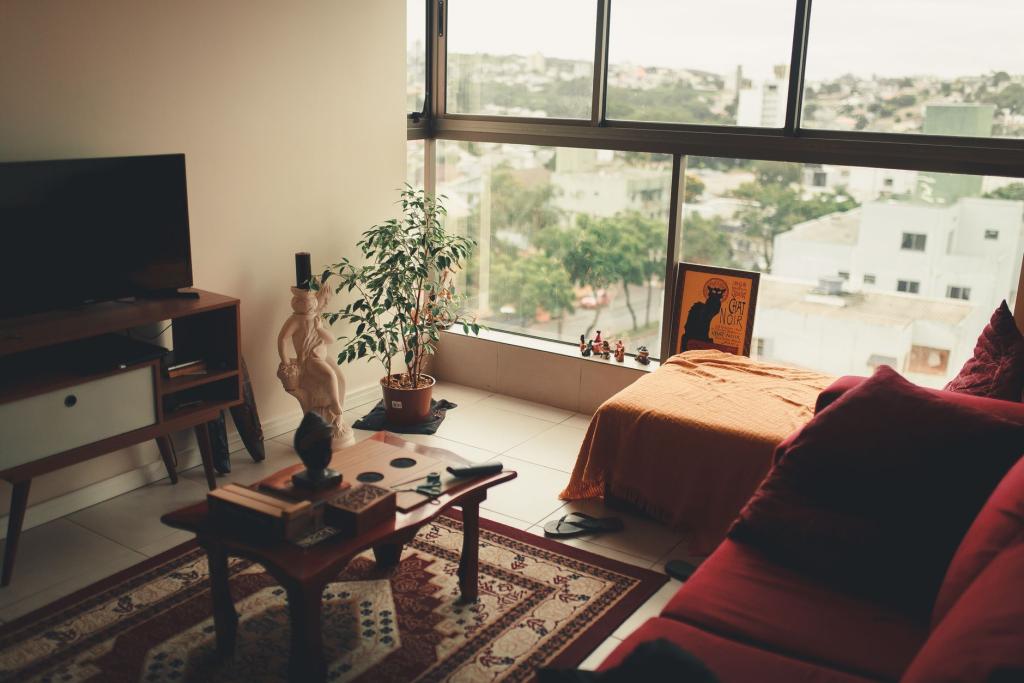
The beige era is ending, and Gen Z is holding the paintbrush. The generation once mocked for grey-scale flats and sad beige interiors is now rejecting millennial beige minimalism outright, swapping it for the louder, warmer dopamine decor way of decorating. According to reporting by Interior Daily, the shift has a name that is all over your feed: dopamine decor — a style built on bold colours, playful shapes and tactile textures chosen for the emotional reassurance they deliver amid economic anxiety.
Dopamine decor is not really about following a lookbook. It is about following a feeling. Where millennial minimalism asked you to edit your home down to the calmest version of itself, the dopamine decor movement asks what each object gives back to you. A squiggle mirror, a butter-yellow chair, a lamp shaped like something your grandmother would recognise — if it sparks something in you, it earns its place. Personalisation is the whole point of dopamine decor, which is why no two dopamine-decor homes look alike even as they share the same joyful DNA.
The data behind the colour boom
The numbers say this is more than a mood. In Pinterest's trend forecast, searches for the "gummy bear aesthetic" — glossy, candy-coloured, unapologetically fun — are up 50 percent, a spike that shows how far young decorators have travelled from the white-box rental. Nearly half of the platform's users say they are drawn to warm, comforting colours right now, and about a quarter report that refreshing their home improves their mood. That last figure matters: it reframes redecorating from a vanity project into a wellbeing strategy, something you do because it genuinely helps you cope. It is the same instinct powering the grandma style home revival and the fashion world's own maximalist turn: comfort first, rules second.
The trend also has a moving-day deadline. A UK study, as reported by Internewscast, found that 34 percent of Gen Z adults expect to buy their first home in 2026, and many are already furnishing ahead of the move. Demand is skewing toward 1970s vintage pieces and a palette of chocolate brown, burgundy, earthy green and butter yellow — shades that read as nostalgic and grounding rather than stark. Decorating for many young buyers is no longer about resale-safe neutrals; it is about building a room that feels like theirs from day one.
The calm-versus-colour contradiction
Here is the twist: the official colour forecasters disagree. Pantone named "Cloud Dancer," a soft white, its 2026 Colour of the Year, pitching it as an antidote to a noisy world — calm, clarity and a fresh canvas. It is a beautiful sentiment, and it is almost the exact opposite of what Gen Z is actually doing. One side of the industry is whispering serenity; the dopamine decor generation is shouting back in burgundy. That tension is what makes the moment interesting. Forecasts describe the world brands wish existed, while search bars describe the world young people are building themselves.
If you want to try it, you do not need a mortgage or a renovation budget. Designers and decor creators consistently suggest starting with one statement piece — a rug, a lamp, a bold frame — and letting that single object set the room's temperature. Renter-friendly swaps carry the rest: removable colour films for windows, a sunset lamp for warm evening light, tactile throws and cushions that can travel to your next flat. The philosophy is low-commitment joy, and the entry ticket is cheaper than most minimalism ever was.
The counterpoint
Not everyone is charmed. In a sharp opinion piece for Dezeen, writer Julie Lasky argues she finds it "icky to invoke brain chemistry in the marketing of style," and suggests that dressing interior decorating in neuroscience gives commerce a lab coat it has not earned. Her deeper objection is that dopamine decor, for all its talk of individuality, is driven by the same repetitive social media images as every trend before it — a new template wearing the costume of self-expression.
Lasky also takes aim at the movement's favourite insult: that minimalism is empty of feeling. She counters that even its harshest critics describe minimalism as cold, which is itself an emotion, and that a white wall can carry as much intent as a hot-pink one. It is a fair prod at the rhetoric. Loving colour does not require pretending neutrality is nothing, and the most thoughtful decorators — maximalist or not — know a home should mean something to the person living in it, not just photograph well. Even dopamine decor's fans would do well to hear that note of caution.
So beige is not dead so much as demoted: from default to choice. The dopamine decor surge is really a story about control — in an economy where home ownership feels precarious and rents swallow pay cheques, the one thing many young people can still command is the room around them. Whether you buy the brain-chemistry framing or not, the instinct underneath it is hard to argue with: make your space feel good to be in, and it might just feel good to live in.
Comments 0
No comments yet. Be the first to share your thoughts!
Leave a comment
Share your thoughts. Your email will not be published.