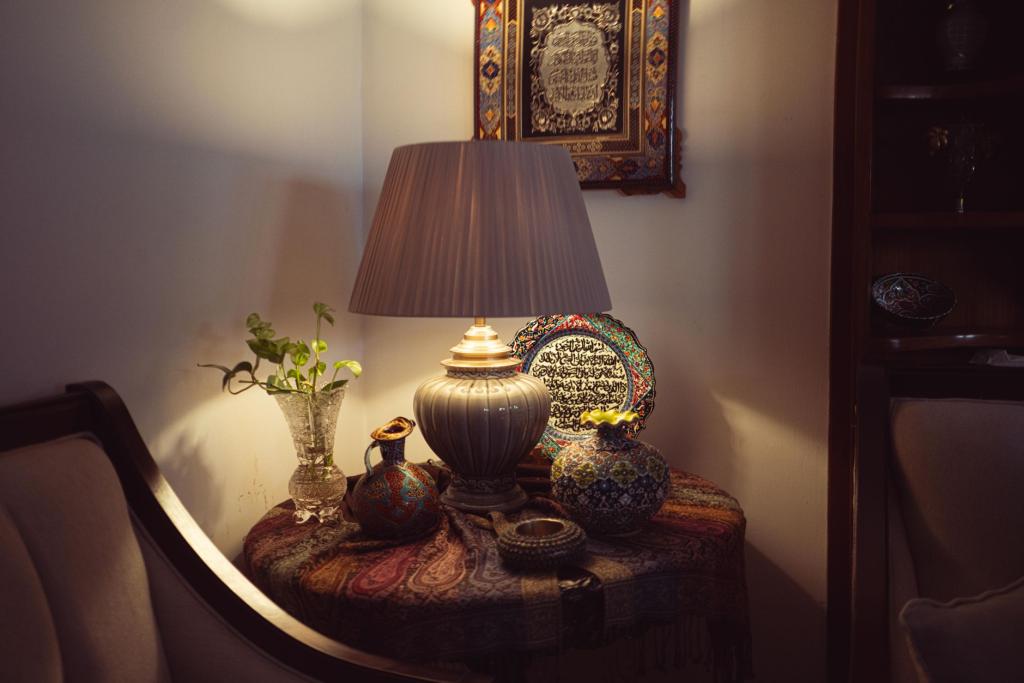
The grey walls are coming down. Across Britain, Gen Z is trading blank minimalism for rooms that could belong to their grandparents: dark wood furniture, patterned textiles, vintage floral lamps and shelves of carefully chosen clutter. Interior designers have a name for the shift: the emerging Grandma Style movement, according to Internewscast.
Design studio My Bespoke Room coined its own label, "Grandma's House", after spotting the look repeatedly among TikTok users and its own clients aged 18 to 30. Founder Laura Simpson put the generational irony bluntly: "While Gen Z may believe they're ripping up the rulebook, many of their favourite trends will look extremely familiar to their grandparents." The timing is practical, too. Although most UK Gen Z adults still live with their parents, a recent study found that 34 per cent expect to purchase their first home in 2026, and many are already furnishing early through charity shops and second-hand stores.
The numbers behind the grandma boom
The professional data backs the mood. 1stDibs' annual Interior Designer Trends Survey, taken by 468 design professionals worldwide, found maximalism and eclecticism the most requested styles, named by 39 per cent and 38 per cent of respondents respectively, as reported by Business Wire. Chocolate brown was the top colour at 33 per cent, and on average 36 per cent of items sourced for projects were vintage or antique. Editorial director Anthony Barzilay Freund said designers are "embracing the future by beginning to adopt AI tools for efficiency while also looking back to vintage and antique furniture for inspiration and quality craftsmanship."
The search data tells the same story from the demand side. Pinterest's fall trends figures showed searches for "vintage maximalism" up 260 per cent, "eclectic maximalism" up 215 per cent and "eclectic apartment" up 630 per cent, as reported by Network Today. Fresh October coverage goes further: Interior Daily reports that Gen Z is rejecting "millennial beige" in favour of colourful "dopamine decor", a turn toward bold colour and layered texture that one cited Fortune analysis links to a desire for emotional reassurance amid economic uncertainty.
On the ground, the studio's client numbers show what the look costs in practice. Over the past year it designed 42 living rooms for Gen Z clients at an average spend of £965, with full-room packages accounting for 88 per cent of projects. Living rooms were the most requested spaces at 48 per cent, followed by kitchens at 26 per cent and home offices at 15 per cent. The preferred palette runs through chocolate brown, burgundy, earthy green and butter yellow, while materials lean toward dark timber, coloured glass, ceramics, chrome, brass and richly textured fabrics.
What the look actually involves
Forget coordinated furniture sets. The new interiors mix colours, patterns and pieces from different periods, with original 1970s finds from charity shops among the most sought-after. Rather than hiding belongings, young homeowners put personality on display: books, framed prints, candles, ceramics, unusual lighting and decorative ornaments. Kitchens get mismatched chairs that look obviously second-hand; living rooms get the ornate mirror that once defined a traditional grandmother's front room.
Celebrity cover helped it go mainstream. Coverage of Kendall Jenner's "granny chic" Wyoming mountain home last winter put the aesthetic in front of millions, and high-street retailers have followed: Zara now stocks crystal glasses, floral crockery, patterned blankets and vases designed to evoke a vintage interior, part of a broader turn toward warm, layered and vintage fall design. Designer Milena Vallier summed up the brief her young clients bring her: "Gen Z want classy clutter, mid-century furniture, brought up to date with modern tones."
The look has a sibling with its own name: the "eccentric aunt" aesthetic, where the defining trait is not volume but meaning — a useful refinement as the wider Grandma Style conversation grows louder. "The Eccentric Aunt is the family member everyone talked about on the drive home," interior designer Piper Skillman told Homes & Gardens. "It's comfort and adventure in the same room." Actress Nicole Byer gave the philosophy its simplest form in an interview with The Ethos: "Make the place yours. And also, who cares what other people like? You have to like it, you have to look at it, you have to live in it."
Getting it without an inheritance
This is one of the most renter-friendly trend cycles in years, because the philosophy rewards what you already own. The standard advice from designers is to start small: one shelf or one corner, built up with pieces that mean something. Mix an inherited cabinet with a modern light fixture. Repeat one or two colours across artwork, cushions and accessories so bold combinations feel tied together. TikTok's "grandma core" creators describe the rules as collected, not curated: pattern stacking, traditional silhouettes, and intentional clutter that feels full but far from messy.
Retail is meeting the moment at the accessible end. PureWow's fall trends roundup notes that maximalism is evolving into more elevated, characterful accessories, from pewter candle holders to Emma Chamberlain's West Elm collaboration with its pigeon-legged trinket bowls. Spindle-leg side tables from Anthropologie to Wayfair are trending as a way to lighten the visual weight of all that dark wood, while the brass-and-velvet Neo Deco look offers a glossier route into maximalist interiors.
Two caveats keep the trend honest. First, maximalism is not automatically cheap: designer-grade vintage commands designer prices, and the studio's own rooms show a £40 vintage table happily sitting beside a £1,500 sofa with no attempt to disguise the difference. Second, the line between collected and cluttered is intention. Give collections defined boundaries, leave breathing room on every surface, and edit regularly. As designer Whitney Anderson told Good Housekeeping, "Rather than a one-size-fits-all approach, this is one-size-fits-YOU."
Why it matters goes beyond taste. These are homes doing multiple jobs in small spaces, where one room serves for working, relaxing, entertaining and storage, and still has to look good for the camera. Buying second-hand keeps furniture out of landfill, which gives the trend a sustainability argument the grey-box era lacked. And after a decade of millennial minimalism, all matching sets and decluttered surfaces, the pendulum was due. Roughly a third of young Brits expect to buy their first home next year; increasingly, they want it to look like it has a history, even if they have to build that history themselves. That is the Grandma Style promise in a single sentence.
Comments 0
No comments yet. Be the first to share your thoughts!
Leave a comment
Share your thoughts. Your email will not be published.