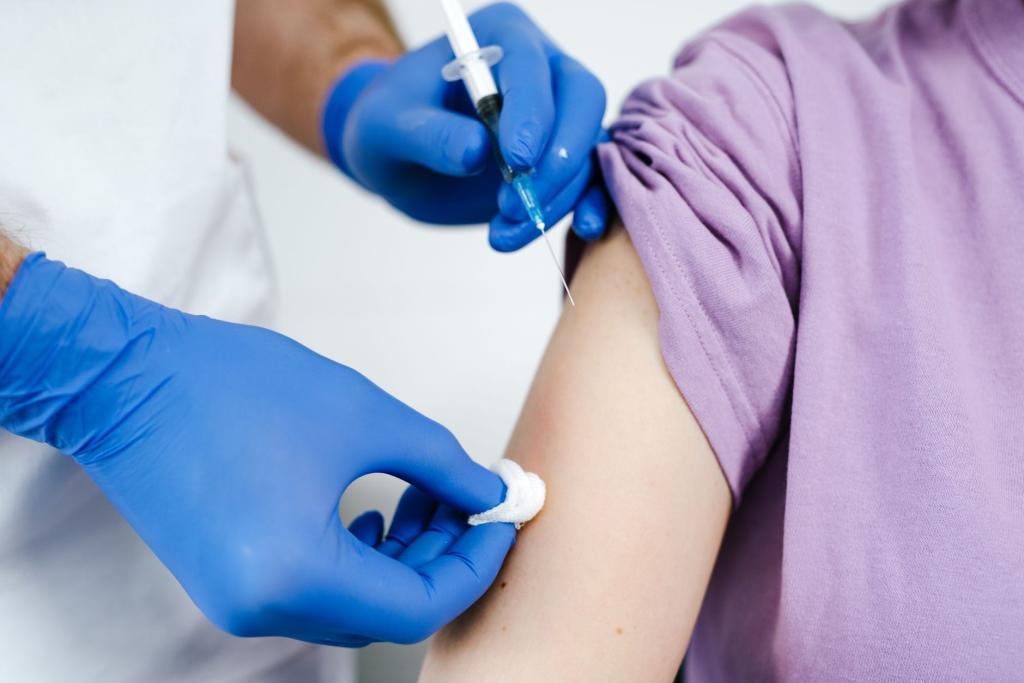
The World Health Organization's vaccine advisory group now considers a single HPV Vaccine Dose the most efficient immunization strategy for preventing cervical cancer, a major shift announced this month in Geneva. The recommendation from the Strategic Advisory Group of Experts on Immunization (SAGE) updates global guidance that had treated one dose as merely an alternative schedule.
The priority group remains girls aged 9 to 14, but SAGE said countries may consider routine vaccination of girls below that age range if earlier dosing is likely to increase uptake and coverage. According to CIDRAP, which reported the new guidance, the move could make it far easier for countries to reach girls who currently miss out on protection against the virus that causes most cervical cancers.
The evidence behind the shift
When WHO last updated its HPV guidance in 2022, one dose was listed as an alternative to the standard two-dose schedule. That changed after large trials produced strong evidence for single-dose protection. In a Costa Rica trial published in the New England Journal of Medicine in December 2025, researchers compared one and two doses in nearly 20,000 girls aged 12 to 16 over five years and found each was at least 97 percent effective at preventing persistent infections with HPV types 16 and 18, the strains behind most cervical cancers.
A separate Kenya trial showed that a single dose protected for at least four and a half years, per a CIDRAP summary of the evidence. Reviewing the data, SAGE concluded the science now supports treating one HPV Vaccine Dose as the most efficient approach for the general population. A Johns Hopkins evidence brief noted that single-dose savings could stretch immunization budgets and cut cold-chain needs, since programs would require fewer refrigerators to store the vaccine.
What it means for teens and young women
Global coverage remains far below ambition. Only about 33 percent of eligible girls are vaccinated against HPV, and the WHO wants that share to climb to its 90 percent global target. Closing that gap matters because cervical cancer is the fifth most diagnosed cancer among women, and vaccination prevents the overwhelming majority of these cancers.
The numbers show the scale of the unmet need. In 2024, roughly 604,000 new cervical cancer cases were diagnosed and about 280,000 women died of the disease, according to WHO figures reported by MedicalXpress. While 165 countries have introduced the HPV vaccine and more than 95 million girls were vaccinated by the end of 2025, coverage is still uneven, and eight licensed HPV vaccines now exist as of 2025 to supply the effort.
For young women who missed the routine schedule, SAGE set a catch-up priority order for the single dose: women 25 and younger first, then women up to 30, followed by adolescent boys and then young men up to 20. A streamlined single dose could be especially meaningful in lower-income countries, where fewer clinic visits and smaller refrigeration needs translate directly into more girls protected per dollar of immunization funding.
The new guidance is not one-size-fits-all. People with weakened immune systems, including those with well-controlled HIV, should still receive two doses, and severely immunocompromised people need three doses. On the safety question, Cochrane reviews of the evidence have found no link between the HPV vaccine and serious side effects, a finding that should reassure parents and teens weighing the shot.
Kate O'Brien, director of WHO's Department of Immunization, Vaccines and Biologicals, said funding shortfalls and staffing constraints make evidence-driven vaccine policies "more critical than ever," adding that the new recommendations can help countries reach the coverage target. Annelies Wilder-Smith, SAGE's executive secretary, explained the group's thinking: "As new evidence emerges, epidemiological patterns evolve, and public health needs change, and therefore our recommendations must evolve accordingly."
SAGE chair Anthony Scott addressed the optional younger age range directly: "Countries may also consider routine vaccination of girls aged 4 to 8 years if this is likely to result in increased vaccination uptake and coverage." At the same Geneva meeting, the advisory group also issued mpox vaccine guidance targeting children, people exposed through sexual networks, contacts of cases, and health workers.
For readers, the bottom line is practical: one clinic visit may soon be enough for full protection, coverage of roughly one in three eligible girls could rise as delivery gets simpler, and countries with thin health budgets stand to vaccinate more girls with the money they already spend.
More on vaccines and global health: maternal vaccination shielding newborn mice from a deadly superbug, the WHO urging faster action as lead poisoning kills millions, and the WHO's new AI tool tackling alcohol risk.
Comments 0
No comments yet. Be the first to share your thoughts!
Leave a comment
Share your thoughts. Your email will not be published.