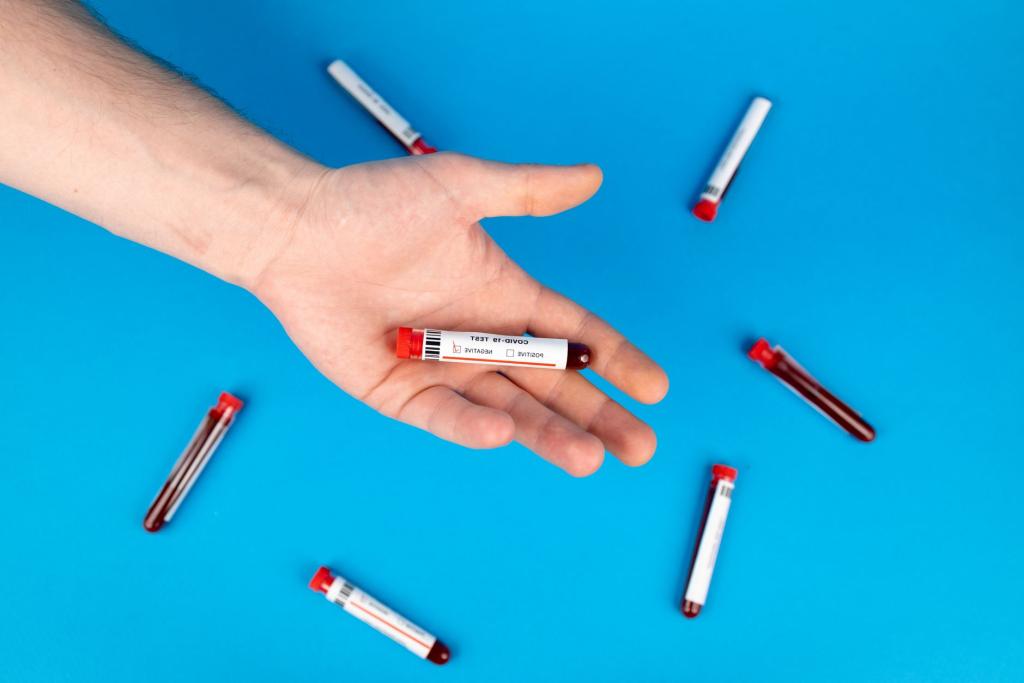
Countries must move faster to stop lead exposure, the World Health Organization said Thursday, naming a preventable health threat the agency estimates contributes to more than 3.5 million deaths around the world each year. The call comes ahead of International Lead Poisoning Prevention Week, which runs from 18 to 26 October under the theme "From Detection to Prevention."
Exposure is entirely preventable, yet fewer than half of countries had confirmed legally binding controls on lead paint, according to WHO's latest global assessment. Lead can enter the body through paint, cookware, cosmetics, spices, informal recycling and industrial contamination. WHO says there is no known safe level of contact, and even relatively low exposure can cause irreversible harm.Even with the threat fully understood, the response has lagged. WHO put out the call days before the awareness week begins.
No safe level of exposure
The danger is greatest for children. Their developing brains and nervous systems are highly vulnerable to lead's toxic effects, and hundreds of millions of children are affected worldwide. Because symptoms may not be visible at first, many cases go unnoticed until serious damage has already occurred, the agency said in a statement.
In children, lead exposure can cause irreversible harm to the brain, health and development. The lifelong consequences include learning difficulties, behavioural issues and poor health. In adults, it contributes to cardiovascular and kidney disease and affects multiple organs.
"Lead poisoning should not be stealing children's potential in 2026," said Bruce Gordon, interim director of WHO's Department of Environment, Climate Change, One Health and Migration. "We know where many exposures come from and we know how to prevent them. Countries now need to move upstream, removing lead from products and environments before it reaches a child's bloodstream."
Preventing exposure also pays beyond health, according to the agency. Keeping lead out of products and environments would cut health-care costs, improve educational outcomes for children whose development would otherwise suffer, and contribute to healthier and more productive societies.
The prevention week's theme, "From Detection to Prevention," captures the shift WHO is asking for. Testing blood lead levels matters for spotting exposure early, but the emphasis is on acting further upstream: removing the hazard from paint, cookware, cosmetics, spices and recycled materials before it ever reaches a child's bloodstream.
The route to that goal runs through regulation. WHO's assessment shows legally binding limits on lead in paint are still missing or unconfirmed across most of the world, and informal recycling operations in low-income settings continue to spread contamination through soil and air. Industrial sources add to the picture in communities near smelters and battery-recycling sites. The agency says countries need stronger rules, better enforcement, and surveillance systems that track exposure risks before poisoning cases show up in clinics.
What countries are being asked to do
WHO member states have recognized lead exposure as a pressing public health concern and asked the agency to develop a Global Action Plan on Lead Mitigation, which will go before the World Health Assembly next year. A separate PREVENT Technical Package on Lead Poisoning Prevention will launch in 2027, giving countries practical guidance on identifying priority sources of exposure, choosing the interventions with the biggest impact, strengthening and enforcing regulations, and tracking progress.
The agency has also been working with partners through the Lead Poisoning Prevention Initiative, launched last year, to build laboratory capacity for blood lead level testing so exposure can be detected early. The programme covers Brazil, five states in India, Nepal, and six countries in sub-Saharan Africa: Ethiopia, Ghana, Malawi, Rwanda, South Africa and the United Republic of Tanzania.
During the prevention week, governments, industry, civil society, health professionals and communities are being asked to eliminate lead hazards from products and environments, tighten regulations and enforcement, improve monitoring of exposure risks, build capacity to manage poisoning cases, raise public awareness of exposure sources and prevention measures, support safer industrial practices, and prioritize the protection of children and other vulnerable groups. Read the full WHO statement and the UN News report.
Comments 0
No comments yet. Be the first to share your thoughts!
Leave a comment
Share your thoughts. Your email will not be published.