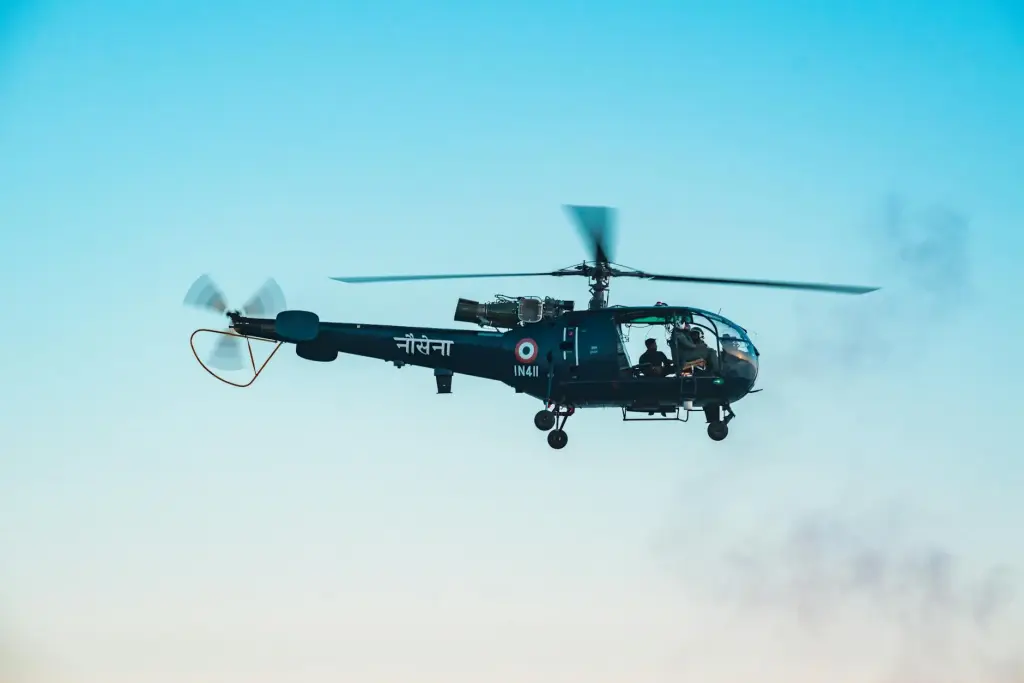
A US submarine strike in the Indian Ocean has significantly raised risks for Asia as the Middle East conflict continues to escalate. The US submarine strike Indian Ocean operation represents one of the most significant US military actions in the region since the Iran war began, sending a clear message of American resolve while raising concerns about broader regional instability. The naval operation has drawn attention from governments across the Asia-Pacific region, with many worried about the potential for the conflict to spread beyond its current boundaries.
What Happened in the Indian Ocean
The US Navy deployed a submarine to conduct strikes in the Indian Ocean, targeting Iranian assets and infrastructure. According to Bloomberg, the operation was designed to demonstrate American military capabilities and deter further Iranian aggression in the region. The Indian Ocean is a critical waterway for global trade, particularly for Asian economies that rely on oil shipments from the Middle East. This strategic location makes any military activity in the area particularly significant for global markets. The strikes represent an expansion of US military operations beyond the immediate Middle East theater into waters that are vital to Asian economic security.
Why Asia is at Risk
The Indian Ocean serves as a crucial transit route for oil tankers supplying countries like China, India, Japan, and South Korea. Any disruption to shipping in this area could have severe economic consequences for the entire Asia-Pacific region. The US submarine strike Indian Ocean operation has raised concerns among Asian governments about the potential for the conflict to spread beyond the Middle East. Countries in the region are now reassessing their security postures and contingency plans in response to these developments. The war has already disrupted air travel significantly, with flights suspended across the Middle East including major hubs in Dubai, Doha, and other cities.
Regional Responses
Asian nations have responded with varying degrees of concern to the escalating situation. India has been granted a 30-day waiver by the US for buying Russian oil, according to CNBC, as the conflict creates pressure on traditional oil supply chains. China, the worlds largest oil importer, has expressed alarm at the deepening conflict and its potential impact on global energy markets. Japanese and South Korean officials have urged all parties to exercise restraint. Singapore, a major shipping hub, has issued advisories to vessels operating in the region. Australia has deployed naval assets to the region as a precaution.
Military Implications
The US submarine strike Indian Ocean operation demonstrates the Navys ability to project power across vast distances. Submarines offer a stealthy strike capability that can be difficult to detect and counter. This operation sends a clear signal to Iran that the United States is willing to use its full military capabilities to protect its interests and allies. The strike also coordinates with Israeli operations in Lebanon and other Middle Eastern theaters. The deployment shows Americas commitment to maintaining freedom of navigation in international waters and protecting allied nations in the region.
China Growing Concern
China has emerged as a particularly concerned party in this escalating situation. The Trump administration has been pressuring Latin American leaders to reduce their China ties, according to AP News, as part of a broader strategy to counter Chinese influence. The conflict in the Middle East complicates Beijings strategic calculations, as China relies heavily on Middle Eastern oil imports that must pass through vulnerable shipping lanes. Chinese officials have called for de-escalation while maintaining their traditional diplomatic relationships in the region.
Economic Fallout
Global markets have reacted nervously to the escalating military tensions. Oil prices have surged past 90 dollars per barrel as traders worry about supply disruptions. Stock markets across Asia have experienced significant volatility. The combination of the US submarine strike Indian Ocean operation and ongoing hostilities has created unprecedented uncertainty for businesses and investors in the region. Shipping companies are considering rerouting vessels to avoid the Indian Ocean, which could increase costs and delivery times for goods moving between Asia and Europe. Related: Oil Prices Hit 90 Related: Trump Iran Ultimatum
Comments 0
No comments yet. Be the first to share your thoughts!
Leave a comment
Share your thoughts. Your email will not be published.