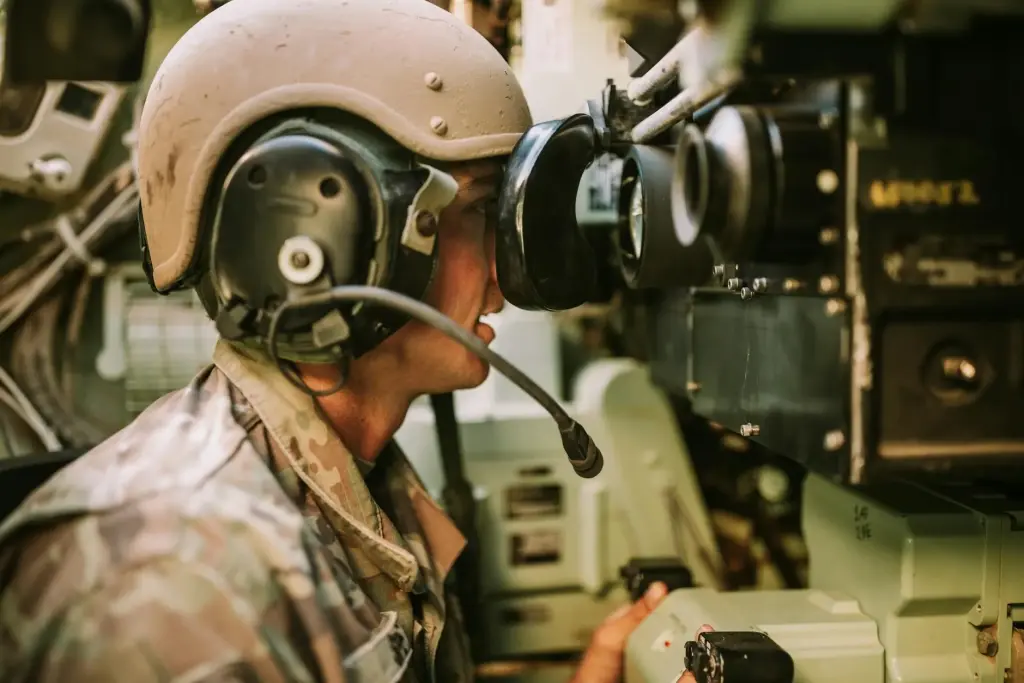
That is why a fuller version of the article needs to slow the story down and make the significance explicit instead of leaving the reader with a fast recap only. In this case, US Military continues to matter because the first update is only part of a wider pattern. The headline matters because the first confirmed details often shape public response and official decision-making. Taken together, those details give the story more shape than the original short brief alone.
The immediate takeaway in US Military is not only the headline event but the surrounding context. In this case, US Military continues to matter because the first update is only part of a wider pattern. They are usually trying to understand the sequence of events, the most relevant takeaway, and the next checkpoint to follow. For world-news readers, that means tying the first bulletin to institutions, response, and likely second-order effects.
Key developments
The clearest reported developments so far point to a straightforward sequence. That is why a fuller version of the article needs to slow the story down and make the significance explicit instead of leaving the reader with a fast recap only. In this case, US Military continues to matter because the first update is only part of a wider pat Read together, those details identify the trigger, the main actors, and the outcome that pushed US Military into wider view.
World news matters most when headline facts are tied to institutions, public response, and the next decisions from authorities or stakeholders. In the case of US Military, the published details already hint at that broader frame. What to watch next For now, US Military remains a live story worth tracking. That context is what turns a fast alert into a useful explainer.
How the story developed
The timeline around US Military is easier to follow when the major steps are separated clearly. First, that is why a fuller version of the article needs to slow the story down and make the significance explicit instead of leaving the reader with a fast recap only. Then, in this case, US Military continues to matter because the first update is only part of a wider pattern. Finally, they are usually trying to understand the sequence of events, the most relevant takeaway, and the next checkpoint to follow. Viewed in order, the story looks less like scattered fragments and more like a developing sequence.
The supporting evidence matters as much as the headline itself. What to watch next For now, US Military remains a live story worth tracking. Readers searching this topic later will not only want the original headline. Those additional details help clarify why US Military matters, what remains uncertain, and which parts of the story deserve the closest scrutiny.
Why it matters
For world-news readers, the importance lies in public safety, market reaction, policy consequences, diplomatic fallout, or the quality of the official response. In the case of US Military, that means looking beyond the headline in "US Military Build-Up Near Iran: Warships and Fighter Jets Deployed" and focusing on who is affected, what could shift next, and which questions remain unresolved.
The key signals usually involve official response, public safety impact, regional fallout, and whether the next decision by governments or institutions changes the picture again. In this case, US Military continues to matter because the first update is only one part of a wider pattern. They will want a clearer record of what changed after the first alert and whether the early takeaway held up once more i The useful question is whether the next round of reporting confirms that direction or changes it.
For readers trying to make sense of US Military, the useful questions are consistent: what actually happened, how confident the available facts are, and what developments could change the picture next. A stronger article should answer those questions directly instead of repeating the headline in different words.
What to watch next
For now, US Military remains worth watching. The next developments to monitor usually come from officials, emergency services, markets, courts, or diplomatic channels as the immediate consequences become clearer. Readers searching this topic later will not only want the original headline. The most meaningful updates will come when official statements, hard data, or follow-up reporting materially change the picture established so far.
The clearest way to follow US Military from here is to watch for official statements, emergency response, diplomatic moves, and updated casualty or impact assessments. What matters next is whether the initial takeaway holds once more evidence, reaction, or performance data comes in.
Readers who want more the world context can follow our The World coverage, browse the latest GenZ NewZ headlines, and compare this report with reliable external reporting for additional official or industry background on US Military.
Comments 0
No comments yet. Be the first to share your thoughts!
Leave a comment
Share your thoughts. Your email will not be published.