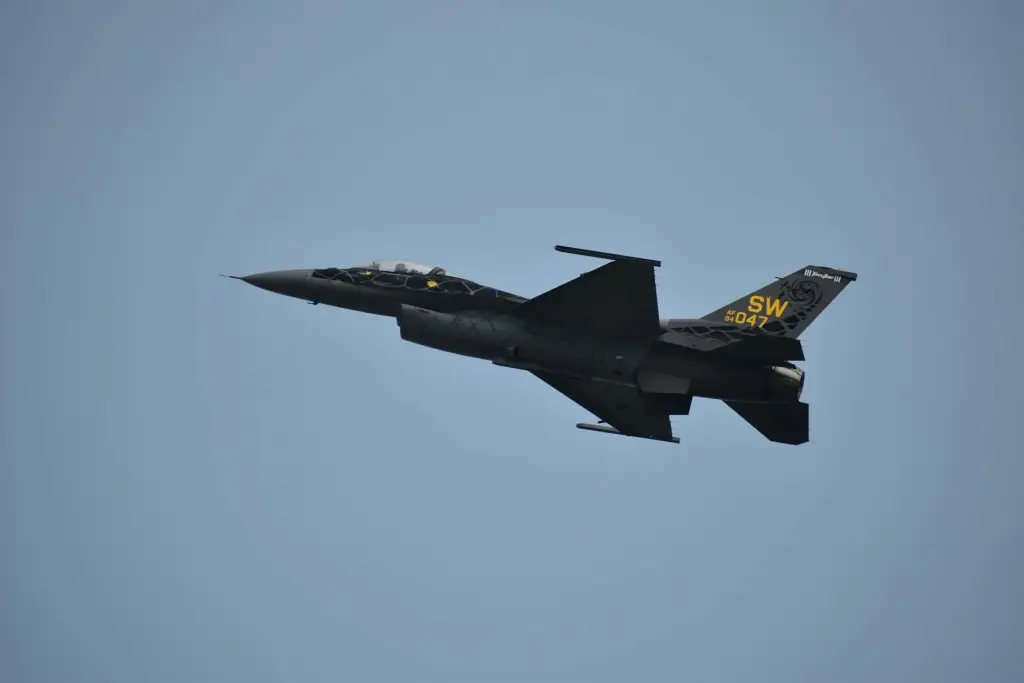
The US Iran conflict has entered a critical phase as American and Israeli forces step up military operations across the region. According to Democracy Now, the death toll has climbed to 787 as bombings intensify across Iranian territory, marking one of the most significant escalations in Middle East tensions in recent years. The conflict, now in its fifth day, threatens to draw additional nations into what analysts fear could become a broader regional war. International observers are monitoring the situation closely as diplomatic channels remain strained and civilian populations face growing humanitarian risks.
Military Operations Expand Across Multiple Fronts
US naval forces have sunk an Iranian naval ship in the Indian Ocean, according to reports from PBS News Hour, as the US Iran conflict continues to expand beyond initial strike zones. The Pentagon has pledged to strike deeper into Iranian territory, with military planners identifying key infrastructure targets including energy facilities and command centers. The strategic expansion of operations signals a shift from targeted strikes to a more comprehensive campaign aimed at degrading Iran's military capabilities and deterring future aggression in the region. Military analysts suggest this approach reflects lessons learned from previous conflicts in the Middle East.
The involvement of multiple carrier groups and advanced aircraft demonstrates the scale of commitment from US forces in this US Iran conflict. Defense analysts note that the current operation represents one of the largest deployments of American naval power in the region since the early 2000s, reflecting the seriousness with which Washington views the Iranian threat to regional stability and global energy supplies. Iranian forces have responded with drone and missile attacks targeting shipping lanes in the Strait of Hormuz, a critical chokepoint for global oil supplies that handles approximately twenty percent of world petroleum shipments daily.
Global Energy Markets Respond to Crisis
Energy markets have responded to the US Iran conflict with significant volatility, as traders assess the potential for supply disruptions in one of the world's most important oil-producing regions. According to Bloomberg, oil prices have surged amid concerns that the conflict could spread to affect production facilities in neighboring countries, potentially triggering a global energy crisis with far-reaching economic consequences. The Strait of Hormuz remains a focal point of concern for energy security analysts who warn that any closure would have immediate and severe economic consequences worldwide, affecting everything from transportation costs to manufacturing supply chains.
Major oil-consuming nations have begun discussions about releasing strategic petroleum reserves to stabilize markets during this US Iran conflict. European leaders have called for diplomatic efforts to de-escalate the situation, while acknowledging the complexity of achieving a ceasefire given the depth of military commitments on both sides of the conflict. The conflict's impact extends beyond energy to include shipping insurance rates and global trade routes that depend on safe passage through the Persian Gulf region, creating ripple effects throughout the global economy that could affect consumers worldwide.
Humanitarian Concerns Mount as Casualties Rise
International humanitarian organizations have expressed alarm at the rising civilian casualty figures and the displacement of populations from conflict zones across Iran. Medical facilities in affected areas report overwhelming patient loads, with shortages of supplies and personnel hampering response efforts according to Euronews. The United Nations has called for humanitarian corridors to allow aid agencies access to affected populations, though security conditions have made implementation challenging as the US Iran conflict continues to intensify with no clear end in sight.
Refugee flows from Iranian border regions have increased significantly, with neighboring countries preparing for larger displacement movements in the coming days and weeks as the conflict escalates. Aid agencies warn that prolonged conflict could create one of the region's largest humanitarian crises in decades, requiring sustained international response and funding commitments from donor nations to address immediate needs and long-term recovery. The humanitarian community emphasizes that civilian protection must remain a priority regardless of military objectives or strategic considerations. For more coverage of global conflicts and their humanitarian impacts, readers can follow related stories on GenZ NewZ.
Comments 0
No comments yet. Be the first to share your thoughts!
Leave a comment
Share your thoughts. Your email will not be published.