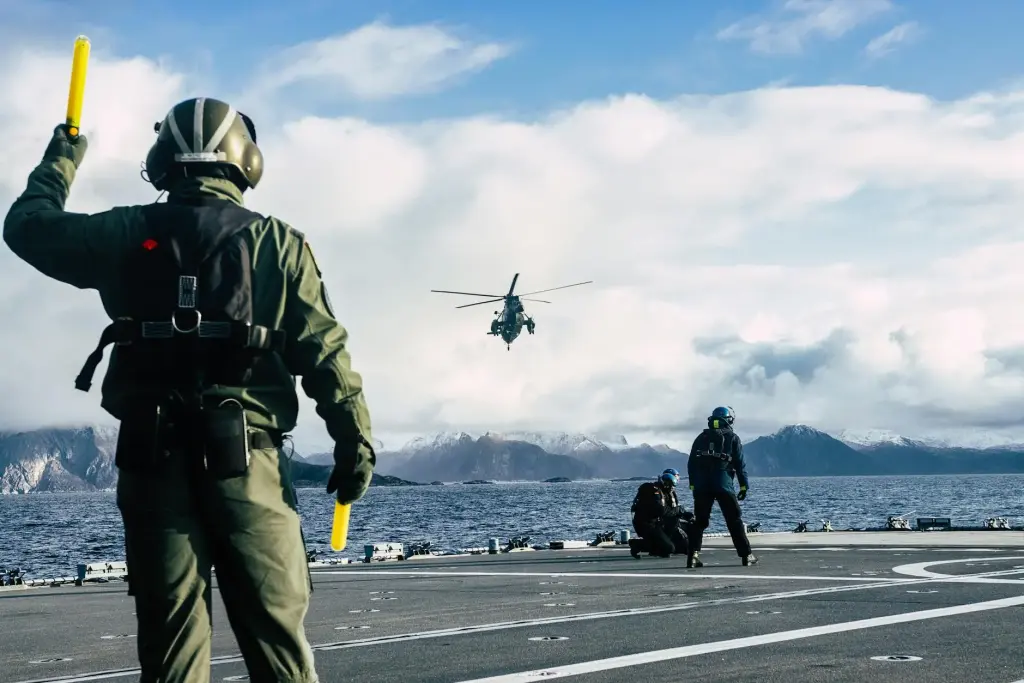
The Iran conflict escalation has reached alarming new heights as military operations between the United States and Iran expand across the Middle East region, creating one of the most dangerous geopolitical crises in recent decades. According to reports from the United Nations and international news agencies, the situation has deteriorated rapidly with significant casualties and growing concerns about regional stability that could affect global security and economic interests. The conflict, which began with targeted strikes, has now evolved into a broader military confrontation affecting multiple countries including Israel, Lebanon, and various Gulf States, raising fears of a wider regional war that could draw in major powers and disrupt international commerce.
According to The Federal news reports, a US military operation resulted in the sinking of an Iranian frigate that had been returning from participating in the MILAN 2026 multinational naval exercise in India. The incident reportedly claimed the lives of 83 sailors, though Sri Lankan authorities confirmed that 32 people were rescued from the vessel. This marks one of the most significant naval confrontations in recent years and has intensified fears of a wider regional war that could disrupt global energy supplies and international trade routes through the Strait of Hormuz.
The escalation has prompted emergency meetings at the United Nations and calls for restraint from world leaders. European nations have expressed particular concern about the potential for the conflict to spill over into broader regional instability. Economic analysts are already warning about potential impacts on global oil prices and inflation if the Iran conflict escalation continues. The situation remains volatile with diplomatic efforts struggling to gain traction.
International Response and Legal Concerns
The international community has responded with alarm to the escalating violence and civilian casualties. UN News reports indicate that NATO forces intercepted a missile fired at Turkey by Iran, though Tehran has denied this claim. The United Nations has called for immediate de-escalation and a return to diplomatic negotiations to prevent further loss of life. According to Inter Press Service, legal experts have raised serious questions about compliance with international law, with some analysts describing recent military actions as demonstrating "contempt for the post-World War II international legal order."
Humanitarian organizations are increasingly concerned about the civilian impact of the Iran conflict escalation as fighting spreads to populated areas. The UN and various aid agencies have reported restricted humanitarian access to affected areas, making it difficult to deliver essential supplies. Regional experts warn that the conflict could destabilize the entire Middle East, affecting global energy markets and international security while creating a new wave of refugees seeking safety in Europe and neighboring countries.
What This Means for Global Security
The implications of the Iran conflict escalation extend far beyond the immediate region and threaten to reshape global geopolitics for years to come. CNN polling indicates that 59% of Americans disapprove of the military strikes against Iran, suggesting significant domestic opposition to the current approach. French President Emmanuel Macron has emphasized the need for European leadership in addressing the crisis, signaling a potential shift in European security policy.
According to geopolitical analysts, the conflict represents a critical test for international diplomatic institutions. The United Nations Security Council has held emergency sessions, though concrete action has been limited by the veto powers of permanent members with competing interests. Regional powers including Saudi Arabia, the UAE, and Egypt are carefully monitoring the situation, concerned about potential spillover effects and refugee flows that could strain their resources and destabilize their own populations.
As the Iran conflict escalation enters its second week, the path forward remains uncertain with both sides showing no signs of backing down from their positions. Military experts suggest that without significant diplomatic intervention from neutral parties, the situation could escalate further with potentially catastrophic consequences for regional and global stability. The international community continues to call for immediate ceasefire negotiations and a return to the diplomatic table, though prospects for peace remain uncertain as long as military operations continue and civilian casualties mount.
Comments 0
No comments yet. Be the first to share your thoughts!
Leave a comment
Share your thoughts. Your email will not be published.