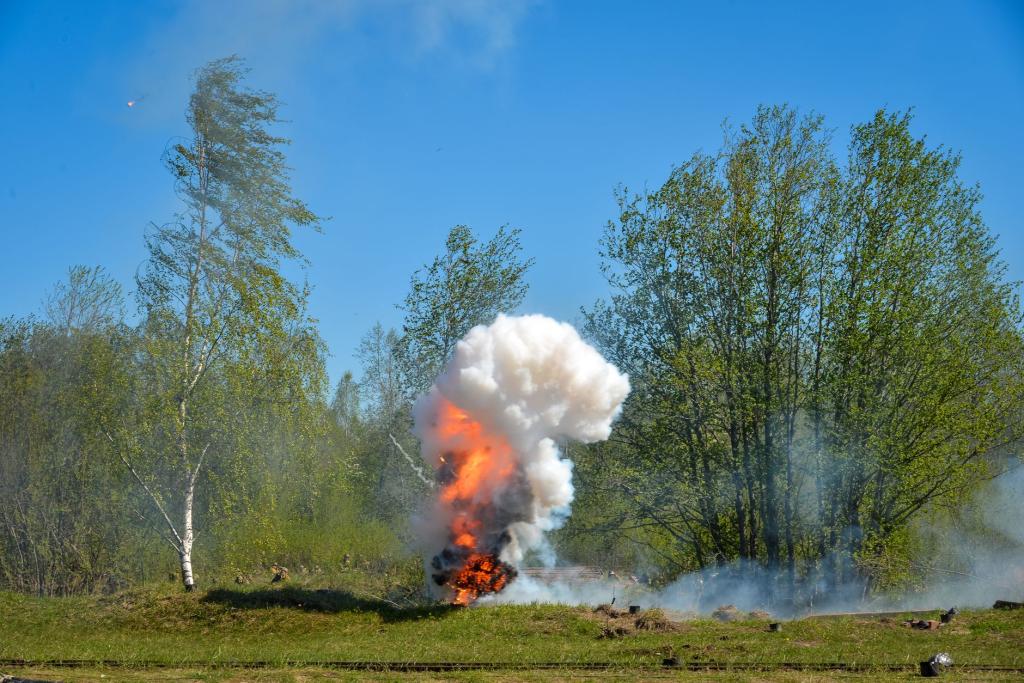
Ukraine has fired its first domestically built Ukrainian ballistic missile in combat, President Volodymyr Zelenskyy said in October 2026, announcing the debut of the FP-7 tactical system in a short video posted to Telegram and X. The night-launch footage showed the missile lifting off on what the president called its first combat mission, with no word on what it struck. "First combat use. Thank you for the result. Next up: production," Zelenskyy wrote, making clear that Kyiv now intends to move the weapon from trials to the factory floor.
Kyiv is saying nothing about the target. When reporters asked what the missile had hit, a communications adviser to the president answered, "We're not telling," according to the Kyiv Independent's day-by-day war coverage republished on Europe Says. Ukraine has kept similar secrecy around other long-range systems to avoid tipping off Russian air defences, and the debut strike has not been independently verified, with no open-source imagery yet confirming the launch or its result.
From test range to battlefield in eight months
The FP-7 moved from announcement to combat remarkably fast. Kyiv officially disclosed the program in September 2025 alongside a longer-range sibling, the FP-9, and carried out the first test launch in February 2026. By September the maker had completed roughly 15 test flights and was waiting on final certification from Ukraine's defence ministry, at which point chief executive Iryna Terekh told a defence conference in Poland that the missile would enter service "within weeks." The October 1, 2026 announcement closed that gap. Reuters independently confirmed that the president's statement had been made, reported by The War Zone, though the target, location and number of missiles involved remain undisclosed.
The manufacturer is Fire Point, the Ukrainian defence company that began the full-scale invasion building long-range strike drones and later branched into the FP-5 Flamingo cruise missile before taking on ballistics. The FP-7 shares its architecture with a very different weapon: the FP-7.X, an interceptor derivative being developed for Project Freyja, a European programme launched this year to field a cheaper, more numerous ballistic-missile defence system. That common lineage is deliberate, since shared propulsion, airframes and guidance should shorten development and make manufacturing more efficient.
A cheaper answer to imported missiles
On paper, the FP-7 is a short-range system with a range of roughly 250 kilometres, a top speed of around 1,500 metres per second and a warhead on the order of 150 to 200 kilograms. Analysts compare it to the American-supplied ATACMS, which flies up to roughly 300 kilometres but is constrained by Western stockpiles and competing demand. The Ukrainian system's edge is industrial: company founder Denys Shtilerman has said the Ukrainian ballistic missile costs roughly half as much as the American missile, and unlike Western-supplied systems it arrives with no restrictions on what kinds of targets it can hit. Kyiv-based analyst Nazarii Barchuk said the weapon is designed for front-line and near-rear targets such as command posts, weapons depots, air-defence sites, drone launch bases and airfields.
Those figures should be treated as company and government claims rather than verified performance data. The War Zone notes that the missile is more of a complement to ATACMS than a direct replacement, with a more limited target set than Ukraine's longer-range cruise missiles and drones, and that actual range, payload and accuracy will vary with the mission. What the system clearly offers is speed: the short flight time of a ballistic trajectory makes it harder to intercept and useful for rapid strikes against time-sensitive targets, particularly hardened ones.
The wider strike exchange
The debut lands in the middle of an escalating long-range duel. Ukraine has been pressing strikes on Russian energy infrastructure, and Ukrainian officials estimate that more than 45 percent of Russia's refining capacity has been knocked out in recent months, producing fuel rationing and long queues at petrol stations across Russian territory, according to RocketNews. Refineries in the Samara region and Volgograd have been hit, alongside a Russian vessel in the Black Sea and drone storage sites.
Russia answered with intensified drone attacks on the Ukrainian capital. A school in Kyiv was struck in the early morning while students sheltered, with no casualties reported; two drones hit the Southern Bridge across the Dnipro River around midday, and evening strikes damaged road surfaces and supporting infrastructure. The exchange is part of a broader campaign against civilian infrastructure that GenZ NewZ covered in its report on Russia's energy grid strikes on Kyiv, and you can follow the wider conflict on the War topic page.
For now, the FP-7's significance rests on what happens next. Ukraine has not disclosed how many of the missiles have been built, what production rates the company can sustain, or when they could arrive in meaningful numbers. If Fire Point can move from a claimed first launch to steady output, Kyiv gains a home-built Ukrainian ballistic missile it can fire without asking permission, at a time when imported missiles remain scarce and the fighting heads into another winter.
Comments 0
No comments yet. Be the first to share your thoughts!
Leave a comment
Share your thoughts. Your email will not be published.