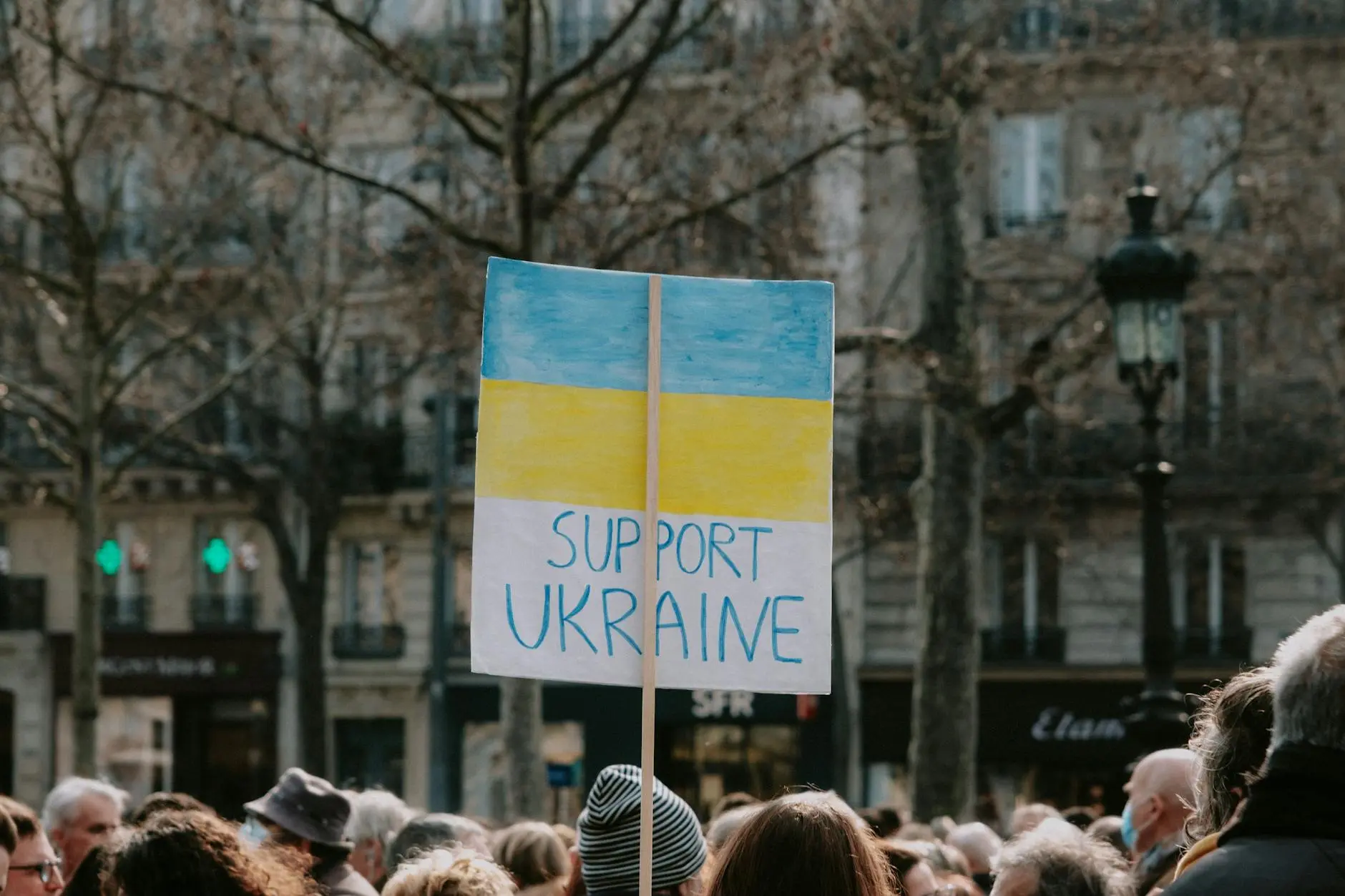
The War That Changed Everything
The Ukraine war, which began with Russia's full-scale invasion in February 2022, has become one of the most significant geopolitical conflicts of the 21st century. For Gen Z, this represents the defining global conflict of their lifetime. The war has dragged on for over four years, reshaping alliances, triggering economic ripples across the world, and displacing millions of people from their homes. What started as a regional conflict has evolved into a global flashpoint that affects everything from gas prices to international diplomacy.
Understanding the Ukraine war is crucial for young people who grew up with social media and instant access to information. This is not just some distant political issue that does not affect daily lives. The conflict influences the economy, security, and the world that the next generation of leaders will inherit. Whether concerned about immigration, inflation, or the future of democracy, the Ukraine war touches all of these issues, according to analysts tracking the conflict.
Where the Conflict Stands Today
By 2026, the Ukraine war has entered a complex phase with no clear end in sight. Russian forces continue to hold significant territory in eastern and southern Ukraine, including parts of the Donbas region and the Crimean Peninsula, which Russia annexed in 2014. Ukrainian forces have mounted resilient counteroffensives, reclaiming some territory but facing fierce resistance. The front lines have become largely static in many areas, resembling a grinding attritional conflict rather than the mobile warfare seen in the early months.
The human cost has been devastating. According to United Nations estimates, tens of thousands of civilians have been killed, and millions more have been forced to flee their homes as refugees. Ukraine has become home to one of the largest displacement crises in modern European history. Entire cities have been reduced to rubble, and communities that existed for centuries have been torn apart. The scale of human suffering has drawn comparisons to the worst conflicts of the 20th century.
Western nations have continued to support Ukraine with military aid, though the flow of weapons and funding has faced political challenges in some countries. The United States has provided billions of dollars in assistance, while European nations have imposed sweeping economic sanctions on Russia. However, war fatigue is setting in across the West, and debates about the sustainability of continued support are becoming more intense, particularly among young voters who are increasingly questioning whether endless military spending represents the best path forward.
Economic Ripple Effects Worldwide
The Ukraine war has sent shockwaves through the global economy that Gen Z cannot ignore. Energy prices spiked dramatically in the years following the invasion, contributing to inflation that hit young people especially hard. The cost of living crisis that swept across Europe and spread to other parts of the world has roots directly connected to this conflict. Gas prices, food prices, and everyday essentials became significantly more expensive, squeezing budgets for a generation already dealing with student debt and housing affordability challenges.
Russia, once a major player in global energy markets, has seen its economy severely impacted by sanctions. However, Russia has also adapted by redirecting trade toward China and other non-Western nations. The war has accelerated a trend toward economic fragmentation, with the world increasingly dividing into competing blocs. For Gen Z, this means a more divided and uncertain global economy, one where the international rules-based order that powered globalization for decades is being questioned, according to economists studying the long-term implications.
The war has also highlighted serious vulnerabilities in global food supply chains. Ukraine and Russia were both major exporters of wheat and fertilizers, and the conflict disrupted agricultural exports that millions of people in Africa and the Middle East depend on. This connection between the war and global hunger is a stark reminder that conflicts far from home can have direct consequences for communities around the world, as documented by the World Food Programme.
The Future of European Security
NATO has emerged stronger as a result of the Ukraine war, with Finland and Sweden abandoning decades of neutrality to join the alliance. This represents one of the most significant expansions of Western security structures in decades. For Gen Z, this is important because it reshapes the security environment they will live in. The idea that major wars in Europe were a thing of the past was shattered by Russia's invasion, forcing a reckoning with Cold War-era anxieties that many thought had been relegated to history.
Ukraine's potential path to NATO membership remains highly contentious. Russia has demanded security guarantees that would exclude Ukraine from the alliance, while Ukraine and its Western supporters argue that the country has the right to choose its own security arrangements. This tension lies at the heart of the conflict and represents a fundamental dispute about the future European security order that will define geopolitics for generations.
Cyber warfare has also been a major feature of the conflict, with both sides launching digital attacks against critical infrastructure. Ukraine has faced waves of cyberattacks targeting power grids, communications, and financial systems. These digital dimension of modern warfare is something that Gen Z, as digital natives, can particularly appreciate. The war has demonstrated how vulnerable societies are to cyber threats, a lesson that has implications for everyone who depends on digital infrastructure in their daily lives.
What This Means for Our Generation
The Ukraine war is not just a headline or a political debate. It is a human tragedy that is unfolding in real time, and its consequences will shape the world that young people will inherit. The conflict has revealed deep tensions in international order, exposed the fragility of peace in Europe, and forced society to confront uncomfortable questions about power, sovereignty, and human rights. As the generation that will live with the consequences of today's decisions for the longest, disengagement is not an option.
For young people, the war raises fundamental questions about solidarity, sacrifice, and the kind of world they want to build. Should diplomacy be prioritized over military strength? How do we balance national interests with humanitarian obligations? What does justice look like in a world where powerful nations can violate international law with impunity? These are not abstract philosophical questions. They are practical challenges that will define political debates for decades to come.
The Ukraine war reminds everyone that peace is not guaranteed and that democracy requires constant vigilance to defend. As Gen Z becomes increasingly engaged in politics and civic life, understanding this conflict is essential. The choices made today about Ukraine will have consequences that extend far beyond the battlefield. They will shape the international order, the economy, and the security environment that young people will navigate throughout their lives. Staying informed, staying engaged, and recognizing that every major conflict starts somewhere are the first steps toward building a more peaceful future.
Comments 0
No comments yet. Be the first to share your thoughts!
Leave a comment
Share your thoughts. Your email will not be published.