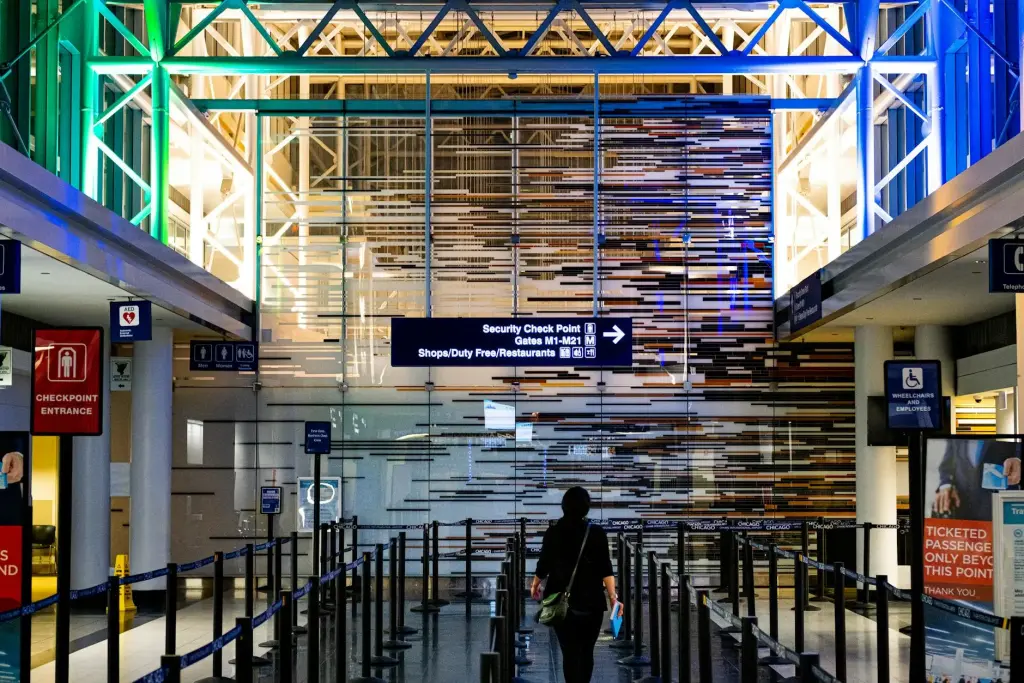
If you flew anywhere over the past few weeks, you likely experienced significant disruptions at airports across America. Travelers faced hours-long security lines, missed flights, and airport overcrowding. As of Monday, March 30, 2026, the situation has substantially improved because TSA workers received their back pay after working without paychecks for over a month.
Why Airport Security Lines Reached Crisis Levels
Approximately 61,000 TSA employees have been working without pay since a partial government shutdown began on February 14, 2026. According to CNN, these workers collectively missed more than billion in wages, leaving many unable to afford basic necessities including groceries, rent, and transportation. Some TSA agents were forced to take secondary jobs or rely on food banks while continuing to report for their shifts keeping airports secure.
The staffing crisis reached critical levels in late March. Absentee rates hit nearly 11 percent of the national workforce on Sunday, March 29, with over 3,100 workers calling out. At major airports including Houston's George Bush Intercontinental, security lines extended to 75 minutes during early morning hours. Young travelers and spring breakers experienced significant disruptions, with many Gen Z travelers missing flights and documenting the chaos on social media platforms.
The partial shutdown created cascading effects throughout the aviation system. Flight delays increased as passengers missed connections due to security bottlenecks. Airlines reported increased operational costs from rebooking passengers and managing gate delays. The crisis highlighted the essential role that TSA workers play in maintaining both security and the efficient flow of commerce through American airports.
How Paychecks Resolved the Immediate Crisis
The situation shifted dramatically on Monday when TSA workers began receiving their back pay. According to Department of Homeland Security data reported by major news outlets, wait times at previously congested airports decreased significantly. Hartsfield-Jackson Atlanta International Airport, which handles more passenger traffic than any other airport worldwide, saw security lines drop to approximately 3 minutes. Houston's Bush Intercontinental Airport improved from 75-minute waits to as low as 9 minutes.
Other major airports reported similar improvements. Baltimore-Washington International Airport, which had experienced some of the most severe delays in recent weeks, reported minimal wait times by Monday morning. Philadelphia International Airport and LaGuardia Airport in New York both reported standard security waits under 5 minutes by Monday afternoon.
Worker attendance improved substantially along with the paychecks. After 3,560 TSA officers called out on Friday, March 27, that number decreased to approximately 2,800 by Saturday. Union representatives expected Monday's figures to show further improvement as word spread that compensation was being processed.
President Donald Trump signed an executive order on Friday, March 27 directing the Department of Homeland Security to redirect federal funds to pay TSA workers immediately. The order provided temporary relief but did not resolve the underlying budget dispute causing the partial shutdown. Congressional negotiations over Department of Homeland Security funding remained stalled as of Monday.
Long-Term Consequences for the TSA Workforce
Despite the immediate improvements in airport operations, the month-long pay stoppage has inflicted lasting damage on the TSA workforce. Johnny Jones, secretary-treasurer of the American Federation of Government Employees TSA Council 100, stated in an interview with CNN that officers are facing severe financial consequences. Officers have gone into debt, credit scores have been damaged, some have faced eviction, and vehicles have been repossessed.
More than 500 TSA workers have resigned since the shutdown began in mid-February. Aaron Barker, president of AFGE Local 554 in Atlanta, predicted additional departures as workers struggle to recover financially. TSA agents earn an average annual salary of approximately 5,000 according to the American Federation of Government Employees. For workers at this income level, missing over a month of wages represents a devastating financial blow.
The staffing losses raise concerns about future airport security capacity. Training new TSA officers requires significant time and resources. Security clearances must be processed before new hires can begin work. The agency now faces the dual challenge of replacing departed workers while preventing further losses as the shutdown continues.
For young workers entering the workforce, the TSA shutdown illustrates the financial vulnerability of federal employment during periods of political gridlock. Gen Z employees who joined the agency seeking stable public service careers instead found themselves working without compensation while facing eviction and food insecurity. The experience may influence career decisions for a generation of potential federal workers.
Comments 0
No comments yet. Be the first to share your thoughts!
Leave a comment
Share your thoughts. Your email will not be published.