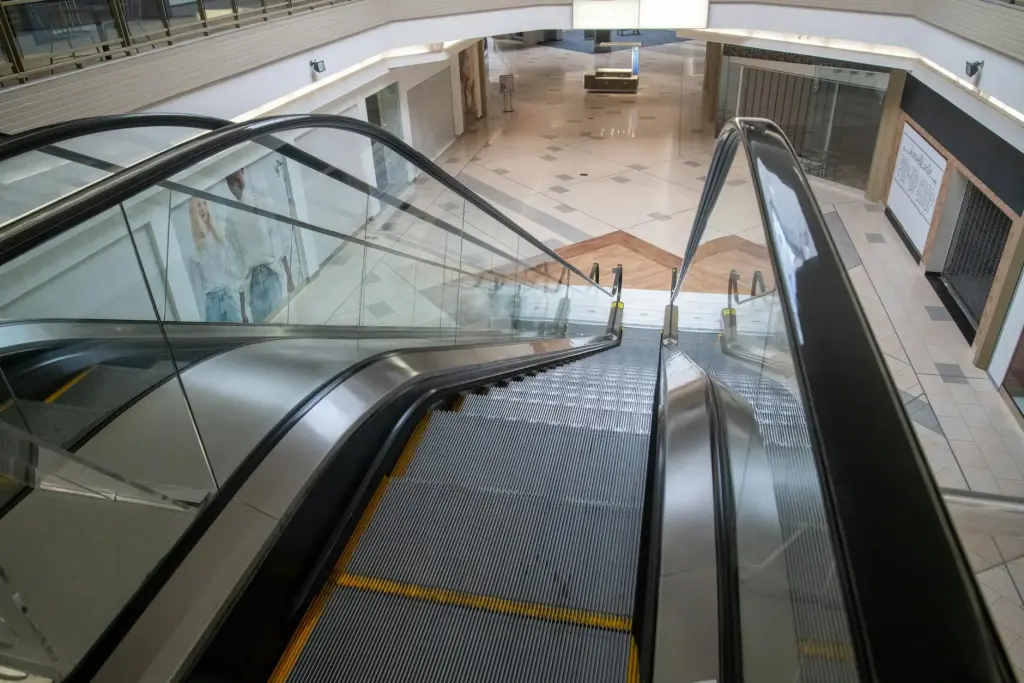
The retail apocalypse is hitting harder than ever in 2026, with major chains shuttering thousands of stores across America. According to Newsweek, roughly 7,900 U.S. stores will close this year, leaving Gen Z shoppers with fewer options and retail workers scrambling for jobs.
This retail apocalypse is reshaping the shopping landscape in ways that directly impact Gen Z. From bankruptcies to lease expirations, the reasons behind these closures reveal deeper shifts in how young consumers spend their money. The trend represents a fundamental restructuring of how Americans shop, work, and interact with brands in the digital age.
Major Chains Closing Stores in This Retail Apocalypse
Francesca's, the women's apparel retailer popular with young professionals, is completing the shutdown of its entire U.S. store fleet following bankruptcy proceedings. The chain previously operated roughly 400 to 450 locations nationwide, and liquidation sales are wrapping up in many regions during April. For Gen Z women who relied on Francesca's for workwear and accessories, finding affordable alternatives just got harder.
Macy's, once the cornerstone of American department store shopping, is in the middle of a multiyear plan to close up to 150 underperforming stores by the end of 2026. While the company has not released a specific list of stores to be closed in April, closures are occurring in phases throughout the year, including spring. The iconic retailer has struggled to compete with online competitors and changing consumer preferences.
Kroger, the grocery giant that serves millions of American families, is carrying out an 18-month restructuring plan that includes closing about 60 underperforming supermarkets nationwide. Kroger has confirmed that closures are spread across multiple states and continuing through 2026. The grocery sector has faced intense pressure from inflation and changing shopping habits accelerated by the pandemic.
Saks OFF 5TH, the luxury discount chain that made designer fashion accessible to budget-conscious shoppers, is closing about 57 outlets in early 2026 amid bankruptcy-related restructuring at Saks Global. The chain has been struggling as consumers reel in discretionary spending during this retail apocalypse. Young professionals who relied on these stores for career wardrobe staples will need to find new sources.
Outdoor retailer REI has confirmed the closure of stores in New York, New Jersey, and Boston as part of a broader reassessment of its brick-and-mortar strategy. For Gen Z outdoor enthusiasts who relied on these locations for gear, community events, and expertise, the loss goes beyond mere shopping convenience. These stores served as gathering places for hiking clubs, climbing groups, and environmental activism.
Why This Retail Apocalypse Matters for Gen Z
The retail apocalypse is not just about store closures. It is about changing how an entire generation shops, works, and interacts with brands in fundamental ways. Alex Beene, a financial literacy instructor for the University of Tennessee at Martin, told Newsweek that this retail reckoning is incredibly unfortunate. Not only will it cause thousands of workers to lose their jobs, but it also equates to fewer options for consumers, particularly in rural areas and smaller cities where alternatives are already limited.
Michael Ryan, a finance expert and founder of MichaelRyanMoney.com, told Newsweek that these store closures are not some big economic meltdown. They are the retail sector finally admitting what we have all been watching happen in slow motion for years. They are all brands that never figured out how to matter in a world where people shop online and eat at home. His analysis suggests the retail apocalypse is more about evolution than extinction, with digital-native brands rising as traditional retailers fall.
Drew Powers, founder of Illinois-based Powers Financial Group, told Newsweek that the brick-and-mortar retail sector has been suffering for years. These stores have simply not been able to keep up with the competition during the rise of the online retailer, and have not yet developed a robust online experience that creates enough sales nor drives in-store business. The pandemic accelerated shifts that were already underway, leaving many retailers without the digital infrastructure to survive.
For Gen Z workers in retail, this retail apocalypse means fewer entry-level positions and less job security at a time when young people are already struggling to find stable employment. For shoppers, it means less choice, reduced ability to try products before buying, and more reliance on e-commerce giants. As inflationary pressures weigh on American households, many have cut back on spending for discretionary items, while shifting to more affordable online options for everyday necessities.
Additional closures are expected to be announced later in 2026 as companies reassess leases and performance metrics. For Gen Z navigating this new landscape, the message is clear: the future of shopping is digital, experiential, and convenience-driven. The retail apocalypse is only accelerating that shift, fundamentally changing where and how young consumers interact with brands.
Comments 0
No comments yet. Be the first to share your thoughts!
Leave a comment
Share your thoughts. Your email will not be published.