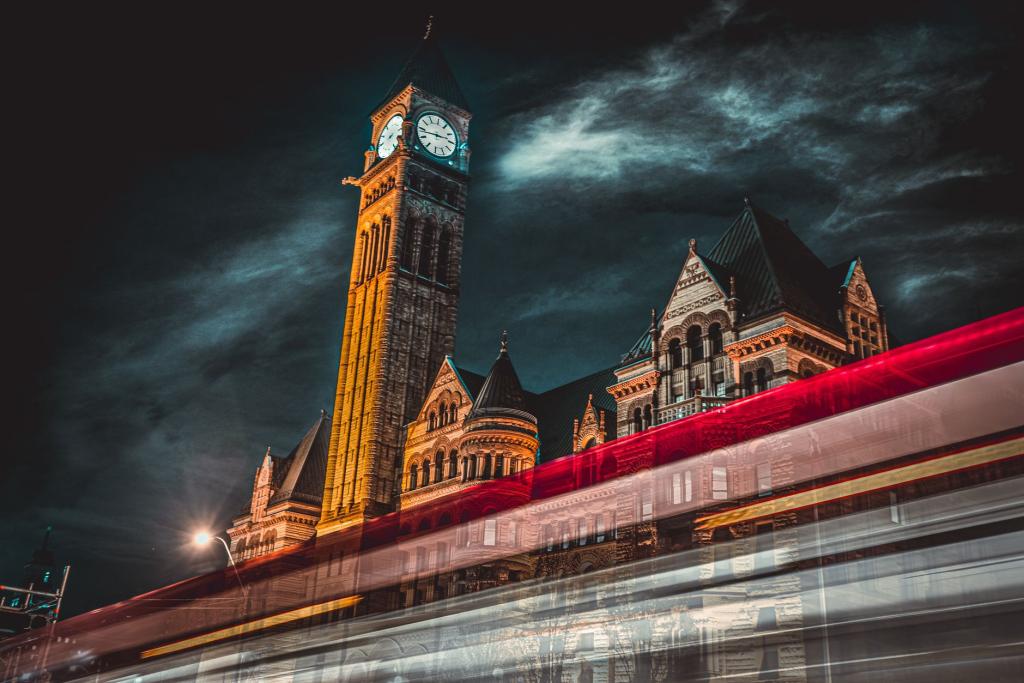
Toronto heads to the polls on October 26, 2026, in the Toronto Mayoral Election, a two-way contest with housing affordability at its center. With the municipal election less than four weeks away, the campaign has sharpened around the cost of living. Mayor Olivia Chow leads former city councillor Brad Bradford by nine points among decided and leaning voters in the latest Toronto Pulse survey, taking forty-eight percent to his thirty-nine, while former federal cabinet minister Chris Alexander sits at ten percent. Housing is the issue to watch: a Toronto Regional Real Estate Board poll found eighty-five percent of GTA and Barrie residents concerned about affordability, and nearly seven in ten say housing will influence their vote.
The latest numbers come from a survey of one thousand Toronto residents conducted on September 26 and 27, 2026 by Liaison Strategies, reported by World Byte News. The firm's principal, David Valentin, said Chow has "a little more breathing room on the ballot, but not a stronger approval rating." The same survey found fifteen percent of voters still undecided, and the mayor's job approval has slipped to forty-nine percent, down from fifty-two, while forty-five percent disapprove. The earlier release from the same survey series had shown a narrower seven-point margin.
Housing costs take center stage
The board-commissioned poll found nine in ten GTA and Barrie residents are considering voting, with eighty-two percent saying municipalities are not doing enough on affordability, according to the board's release. Development charges can add up to one-fifth of the price of a new home, and the combined land transfer taxes now total about thirty-three thousand dollars on an average-priced Toronto home. Six in ten residents say they are more likely to support mayoral candidates focused on housing, and board president Daniel Steinfeld said residents are "looking for action on housing." In response, the board launched a Remove Housing Roadblocks campaign urging candidates to cut housing taxes and fees, speed up approvals, and support more housing choice.
The two frontrunners are offering sharply different answers. Bradford announced this week that he would waive the municipal land transfer tax on the first one point one million dollars of a home's value for buyers who own no other property, reported by Newsbeep. Investors and landlords owning more than one property, about twenty-nine percent of purchasers, would not qualify, and existing rates above that threshold and at three million dollars would stay in place. He said he would use strong-mayor powers to push the plan through council and insisted not one city service would be cut, pointing to a planned publicly owned water utility dividend and changes to capital amortization to offset a cost he estimated at roughly three hundred million dollars a year. The tax delivered eight hundred five million dollars to city coffers last year, with eight hundred fifty million forecast this year. Chow countered that the math does not add up, saying: "I will not slash public services people rely on." Bradford has also promised a one-year property tax freeze, according to CityNews.
Builders stay neutral but want action
Toronto's construction industry is watching closely without taking sides. John Mollenhauer, CEO of the Toronto Construction Association, said his group stays out of politics while making sure candidates understand the industry's priorities, reported by Buildups. Those priorities include procurement reform, a push for Buy Canadian initiatives, and bylaw restrictions that complicate downtown work. "New regulations often increase construction costs," he said, noting that traffic and noise rules have sometimes hindered necessary projects. Richard Lyall, president of the province's residential builders' council, argued that permitting red tape remains a major barrier to new housing, saying approvals may be rising while actual construction fails to keep pace, and pointed to the city's reluctance to modernize rules such as those governing single staircases. Karen Renkema of the Progressive Contractors Association of Canada criticized procurement policies that exclude qualified local contractors over union affiliations, saying opening the bidding could save the city about three hundred forty-seven million dollars a year. Giovanni Cautillo of the general contractors' group cited a KPMG review containing thirty-one procurement recommendations his association has long backed, while sewer and watermain contractors called for steadier, more predictable infrastructure investment.
Polls are snapshots, not verdicts
Other surveys paint a similar but not identical picture. A poll conducted for the Toronto Star by Ipsos found forty-seven percent of Torontonians believe Chow deserves re-election, up five points in a year, with her approval at fifty-nine percent and a fifteen-point horserace lead, though a quarter of likely voters remain undecided. A separate CityNews survey found fifty-five percent of respondents want change at city hall while forty-five percent say the mayor deserves another term. Ontario Premier Doug Ford clarified this week that he did not endorse the incumbent, ending days of speculation. With a meaningful share of voters still undecided and approval ratings moving in different directions from vote intention, the Toronto Mayoral Election could still shift before ballots are counted.
For renters and first-time buyers, the stakes are concrete. The next mayor will shape upfront costs, from whether tax relief on home purchases materializes to how quickly new homes clear the approvals process and whether development charges come down. Voters deciding on housing grounds may want to press candidates on exactly how they would cut housing-related taxes and fees, speed up approvals, and oppose new levies on buyers. See more of our Canadian coverage here, and our earlier report on how rising costs are pushing more workers into second gigs.
Comments 0
No comments yet. Be the first to share your thoughts!
Leave a comment
Share your thoughts. Your email will not be published.