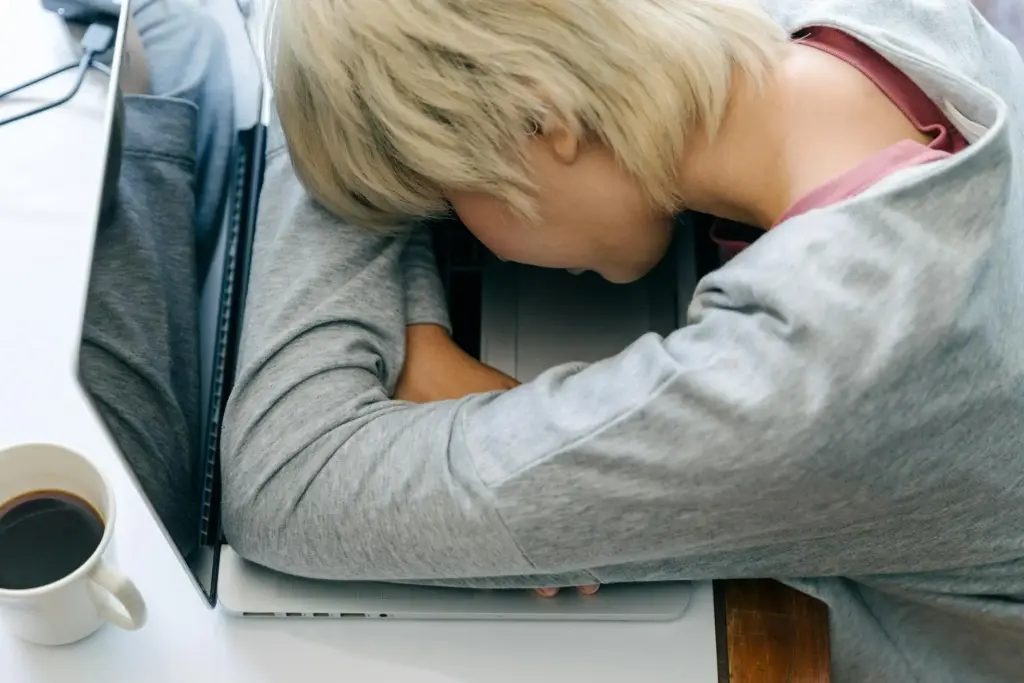
TikTok fatigue is the real deal, and it's spreading fast across Gen Z. According to a new Harris Poll report, 60% of Gen Z users now trust TikTok less than they did just two years ago. That's a stunning collapse in loyalty for an app that shaped an entire generation's culture, music, and even how they communicate. The hashtag #TikTokFatigue has millions of views, and the conversation in dorm rooms and group chats is clear: Gen Z is experiencing serious TikTok fatigue and looking for the exit.
The Algorithm Isn't Working for Gen Z Anymore
For years, TikTok's recommendation algorithm felt like magic. It seemed to know exactly what video would make you smile, cry, or learn something new. But according to research published by MediaPost, that magic is fading when it comes to TikTok fatigue. Harris Poll chief strategy officer Libby Rodney explains: "The algorithm has changed, and they don't like it." Now 74% of Gen Z users say they're more cautious about what they post and consume on the platform, showing how widespread TikTok fatigue has become.
The numbers tell a complicated story. While 65% of Gen Z still opens TikTok daily, that doesn't mean they're happy about it. Many users report scrolling with suspicion, aware that every video served up is part of a system designed to maximize engagement time—not their actual happiness or wellbeing. The algorithm optimized for watch time, and Gen Z is starting to resent being optimized for. This TikTok fatigue extends beyond just content—it affects how young people see themselves and their worth as consumers.
What's Really Driving TikTok Fatigue
Privacy concerns have become a major flashpoint in the TikTok fatigue conversation. TikTok's Chinese ownership has been an ongoing controversy, and Gen Z users are increasingly aware of how their personal data flows through the platform. Studies show this generation grew up watching older relatives deal with identity theft and online security breaches, making them more cautious about apps that collect extensive behavioral data. TikTok fatigue grows when users realize the true cost of "free" entertainment.
Influencer culture saturation is another major factor driving TikTok fatigue. Remember when discovering a small creator felt like finding buried treasure? Now every scroll seems filled with sponsored content disguised as authentic posts. Gen Z users report exhaustion from being sold to without clear disclosure. The line between genuine recommendations and paid promotions has blurred beyond recognition, and young users are calling it out in viral videos that themselves go viral. The authentic creators they loved are now brands, and the TikTok fatigue is real.
The shift extends beyond TikTok itself. Gen Z is experiencing a broader reevaluation of social media's role in daily life, and TikTok fatigue is just one symptom of this larger trend. They watched Millennials and Gen Xers complain about screen time for years, and now they're living the same burnout. Research indicates Gen Z is actively seeking analog experiences—book clubs, in-person hangouts, hobbies that don't require WiFi. The pendulum is swinging toward real-world connections, and TikTok is losing mindshare to board game nights, hiking trips, and face-to-face conversations.
Where Gen Z Is Going After TikTok
The migration isn't heading to one single platform. Gen Z's TikTok fatigue has them scattered across multiple apps and experiences. YouTube is seeing growth for long-form content that feels more substantive and less rushed. BeReal offers authentic, unfiltered glimpses into friends' lives without algorithmic pressure. Some are even returning to old-fashioned texting as a way to feel more present and less monitored. The TikTok fatigue phenomenon shows a generation seeking balance.
Substack has emerged as an unexpected winner. According to research, about 11% of Gen Z now uses Substack daily, a number growing as young people tire of algorithmic feeds and crave human-curated content. The appeal of paying for independent journalism and creative writing—rather than relying on free, ad-supported algorithms—resonates deeply with a generation skeptical of "free" services that profit from their attention. According to MediaPost's coverage, this shift reflects a broader pattern of Gen Z seeking authenticity over algorithmic convenience.
The social media landscape is undergoing a fundamental reset. TikTok isn't disappearing, but its cultural dominance among Gen Z is definitely weakening as TikTok fatigue grows. For marketers and content creators, this signals the end of algorithmic dominance as the default strategy. The next era of Gen Z social media will likely prioritize authenticity over reach, genuine connection over constant engagement, and privacy over viral fame. The generation that built TikTok's empire is now teaching everyone an important lesson about the real cost of constant connectivity.
According to industry analysts, Gen Z's departure from TikTok represents more than a trend—it reflects genuine shifts in how young people want to spend their time online. The #TikTokFatigue movement shows that a generation raised on social media is finally old enough to recognize its drawbacks and bold enough to do something about it. Whether this leads to better platforms or just less screen time remains to be seen, but one thing is certain: the algorithm era is facing its first real rebellion. TikTok fatigue is here to stay, and Gen Z is leading the charge toward something better.
Comments 0
No comments yet. Be the first to share your thoughts!
Leave a comment
Share your thoughts. Your email will not be published.