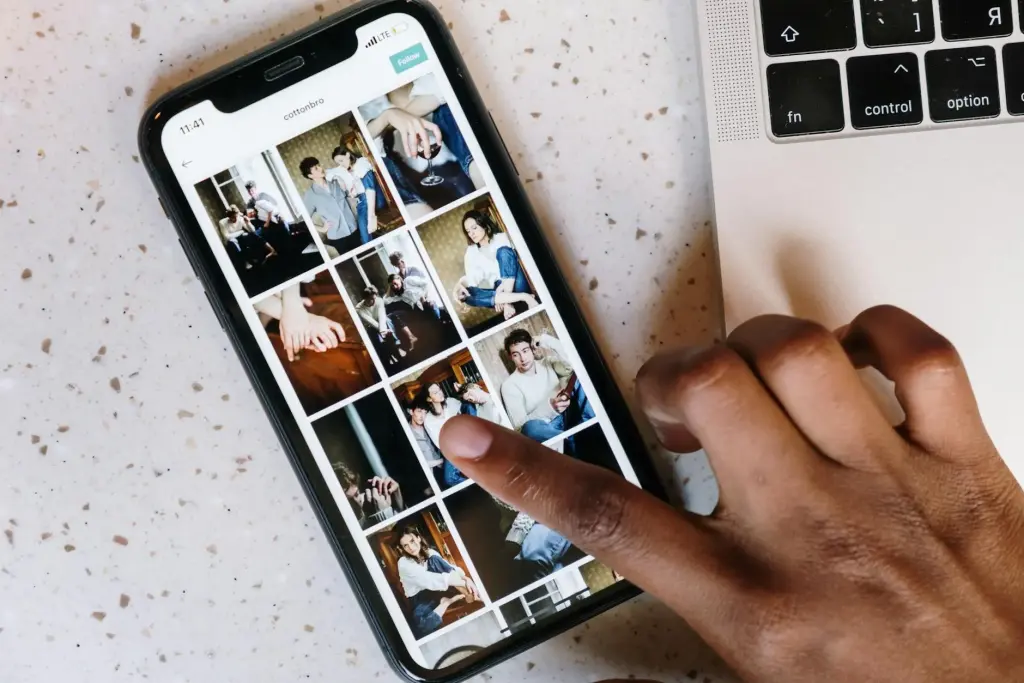
Fan edits have officially moved from bedroom hobby to headline news, and movie studios are scrambling to figure out their next move. For years, Gen Z creators have been remixing, reimagining, and completely reshaping films through fan edits—taking raw footage and transforming it into something totally new. But now, according to recent industry reports, studios are finally paying attention. The rise of fan edits represents one of the biggest cultural shifts in how young audiences engage with cinema, and it's forcing Hollywood to reconsider what it means to create content in the streaming age.
According to CNN, movie studios are actively hiring Gen Z creators for fan edits.What Exactly Are Fan Edits?
Fan edits are unofficial video remixes created by fans who take existing movies, TV shows, or other media and re-cut, re-score, or reimagine them into new experiences. These range from simple mashups that blend two franchises together to elaborate projects that restructure entire films to tell completely different stories. Think of them as the ultimate fan tribute—creative works that show deep love for a property while also pushing back against elements fans didn't like. Studies show that the fan edit community has grown by over 300% since 2023, with platforms like TikTok and YouTube becoming the primary outlets for sharing these creations. The accessibility of editing software means anyone with a laptop and imagination can now do what only professional studios could do a decade ago.
Why Studios Are Freaking Out
Major studios have taken notice, and their reactions have ranged from legal threats to cautious collaboration.Reported by multiple entertainment outlets, companies like Disney and Warner Bros. have issued DMCA takedowns against popular fan edit creators, only to face massive backlash from online communities. The tension comes from a fundamental clash: studios see fan edits as copyright infringement, while Gen Z creators view them as fair use and transformative art. Some studios are now testing the waters with official "fan edit" programs, recognizing that fighting this wave head-on could alienate an entire generation of potential fans. The conversation has shifted from "how do we stop this" to "how do we work with this," and that shift matters.
The economics are impossible to ignore. Fan edits generate millions of views on social media platforms, creating free marketing that studios could never buy. When a fan edit of a Marvel scene goes viral, it drives traffic to the original content and introduces properties to new audiences. Research indicates that films with active fan edit communities see significantly higher engagement metrics on streaming platforms. This organic enthusiasm is worth its weight in gold, which is why some forward-thinking studios have started reaching out directly to popular fan edit creators, offering early access to footage in exchange for promotional content.
The Gen Z Factor
What makes this movement distinctly Gen Z is the philosophy behind it. Unlike previous generations who consumed media passively, young creators today want to participate, remix, and make media their own. Platforms like TikTok and CapCut have normalized editing culture to the point where almost every young person has tried their hand at creating something new from existing content. This isn't about disrespecting the original work—it's about making it personally relevant. Fan edits allow Gen Z to critique, celebrate, and recontextualize movies in ways that reflect their values and experiences.
The community aspect cannot be overstated either. Fan edit creators collaborate across borders, sharing techniques, feedback, and encouragement in ways that mirror open-source software development. This collective creativity has produced work that often rivals professional productions in terms of vision and craft. Many fan edit creators have gone on to land jobs in actual Hollywood editing rooms, proving that these passion projects serve as legitimate training grounds for emerging talent. For more on how Gen Z is reshaping entertainment culture, check out GenZ NewZ Entertainment.
The future of fan edits likely involves some form of official recognition and support from studios. As the technology to create high-quality remixes becomes even more accessible, the volume and sophistication of fan-created content will only increase. Studios that embrace this reality, rather than fight it, will build stronger connections with young audiences. The question is no longer whether fan edits will exist—they're here to stay. The only question is whether Hollywood will choose to be part of the conversation or get left behind.
For now, the fan edit community continues to thrive, creating transformative works that challenge traditional notions of authorship and creativity. Whether you're a casual viewer or a die-hard film buff, there's no denying that fan edits have permanently altered the entertainment landscape. Stay tuned to GenZ NewZ Culture for more updates on how Gen Z continues to reshape media.
Comments 0
No comments yet. Be the first to share your thoughts!
Leave a comment
Share your thoughts. Your email will not be published.