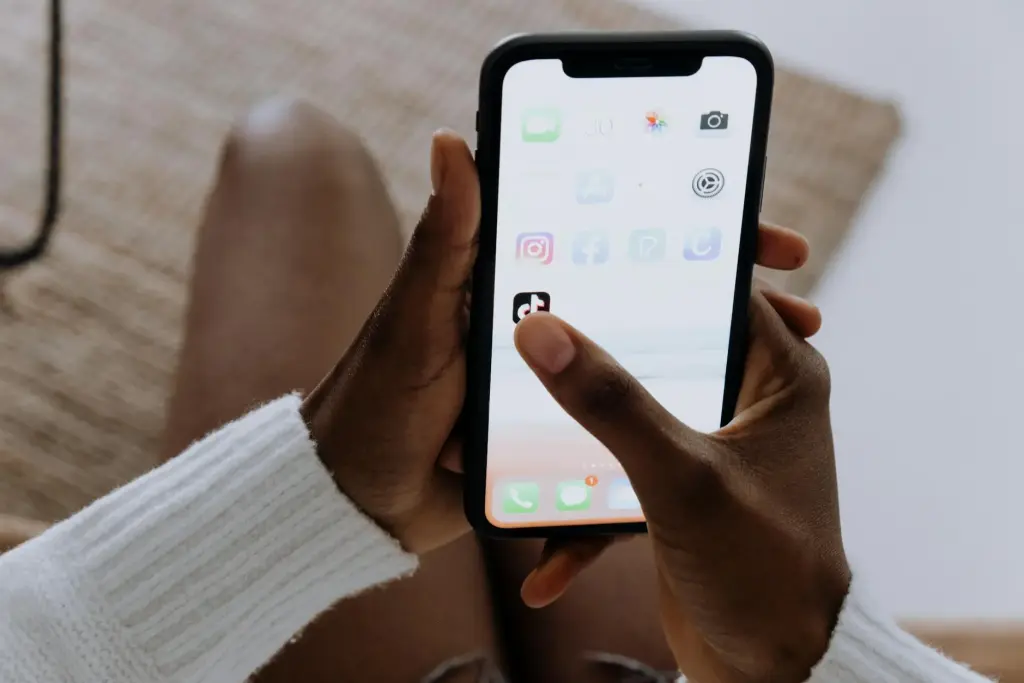
The TikTok ban situation has reached a boiling point, and honestly, it's one of the biggest stories impacting Gen Z right now. According to recent reports from the Washington Post and Reuters, Congress is currently debating multiple pieces of legislation that could effectively shut down TikTok in the United States. The app, which has over 170 million monthly active users in America alone, faces mounting pressure over concerns that its parent company ByteDance could be forced to share user data with the Chinese government. While TikTok has consistently denied these allegations and spent millions on lobbying efforts, lawmakers from both parties seem united in their push for action. The TikTok ban could fundamentally change how we consume short-form content forever, and it's happening faster than most people realize.
What's Actually Happening in Congress
Multiple bills are working their way through both the House and Senate right now, and the drama is intense. The most recent proposal, reported by the New York Times, would give ByteDance exactly 90 days to sell TikTok to a U.S.-based company or face a complete ban. This isn't just talk anymore – this legislation has real momentum, with key lawmakers from both parties backing the measure. According to CNBC, the Biden administration has publicly stated they're monitoring the situation closely, and the Secretary of Commerce has testified before Congress about the national security implications. Legal experts say if this passes, it would be one of the most significant tech regulations in American history. The TikTok ban debate has become a partisan lightning rod, with some arguing it's protecting American data and others saying it's infringing on free speech.
Why This Matters So Much to Gen Z
Let's be real – for many in Gen Z, TikTok isn't just an app, it's literally how they get their news, find new music, learn new skills, and build careers. The TikTok ban would devastate millions of creators who've built their entire livelihoods on the platform. We're talking about creators with millions of followers who've signed brand deals, launched product lines, and even started businesses – all thanks to TikTok's algorithm. Studies show that younger generations spend more time on TikTok than any other social platform, making it the cultural heartbeat of Gen Z. A TikTok ban would mean losing a platform that has democratized content creation in ways we've never seen before.
Where Creators Are Already Fleeing
The creator economy is already adapting, because of course it is – resilience is what we do best. Instagram Reels has seen a 40% increase in daily uploads since January, according to data from Sensor Tower. YouTube Shorts is similarly booming, with the platform announcing new monetization tools specifically designed to attract TikTok creators. But some creators are looking at newer alternatives – apps like Lemon8, which is owned by the same parent company as TikTok, have seen downloads spike dramatically. Other platforms like Snapchat and even Reddit are positioning themselves as 'TikTok alternatives' in their marketing. The big question isn't whether creators will survive a TikTok ban – it's which platform will become the new king of short-form video. Creators are being smart about this by diversifying their presence across multiple platforms.
The Legal Maze Ahead
Even if Congress passes a TikTok ban, don't expect the app to disappear overnight. According to analysis from the Electronic Frontier Foundation, any ban would likely face massive First Amendment challenges. The government would need to prove that TikTok specifically poses a unique threat that other apps don't, which is a high bar to clear. Meanwhile, ByteDance could tie this up in court for years, dragging out the legal battle. In the meantime, creators are being smart – backing up their content, building email lists, and diversifying across multiple platforms. The best advice? Don't put all your eggs in one basket, because the TikTok ban might just become reality. For more on the latest tech news affecting young people, check out GenZ NewZ's coverage of the AI revolution and what's next for social media.
Sources: Washington Post, Reuters, CNBC
Comments 0
No comments yet. Be the first to share your thoughts!
Leave a comment
Share your thoughts. Your email will not be published.