Google Maps Ask Maps just got a serious glow-up, and it is all thanks to Gemini AI. The tech giant just rolled out Ask Maps, a brand new feature that lets you have full-on conversations with the app to figure out where to go, what to eat, and how to get there. We are talking about asking stuff like "where is the closest public bathroom that is not completely disgusting" or "find me a cozy vegetarian spot between here and downtown that will not totally break the bank." This is being called the biggest update to Google Maps in over a decade, and honestly, it kind of deserves the hype.
What Actually Is Google Maps Ask Maps?
Ask Maps is essentially Google way of letting you talk to Maps like you would talk to a friend who knows the area really well. Instead of typing in rigid keywords or scrolling through endless lists, you can just describe what you are looking for in plain English. The feature is powered by Gemini, Google most advanced AI model, which scans through reviews, photos, business info, and even your own saved places to give you recommendations that actually make sense.
According to The Verge, the feature lets you describe your plans conversationally, including as much or as little detail as you want, and Gemini will sift through your query to provide exactly what you need. So if you say "I have friends coming from Midtown to meet me after work — find us a spot between the office and Midtown that is vegetarian, has a cozy vibe, and can fit four people at 7pm," Maps will actually understand all of that and give you real options. No more manually checking a dozen different places.
Your Maps History Actually Helps Now
One of the coolest parts? Ask Maps takes your personal history into account. If you have favorited places, saved spots to lists, or searched for stuff before, the AI uses that context to make better recommendations. Miriam Daniel, VP and general manager for Google Maps, told reporters that personalized responses are based on previous searches within Maps or Google Search that are relevant to locations you have saved or favorited. So if you always hit up coffee shops with good WiFi, it will figure that out.
That said, Google is keeping this separate from other Google apps. The responses rely solely on data from Google Maps itself — not from Gmail, Google Drive, or anywhere else. Your search history stays in Maps, which is a pretty important detail for anyone worried about tech companies knowing too much about their life.
But Wait, There is More: Immersive Navigation
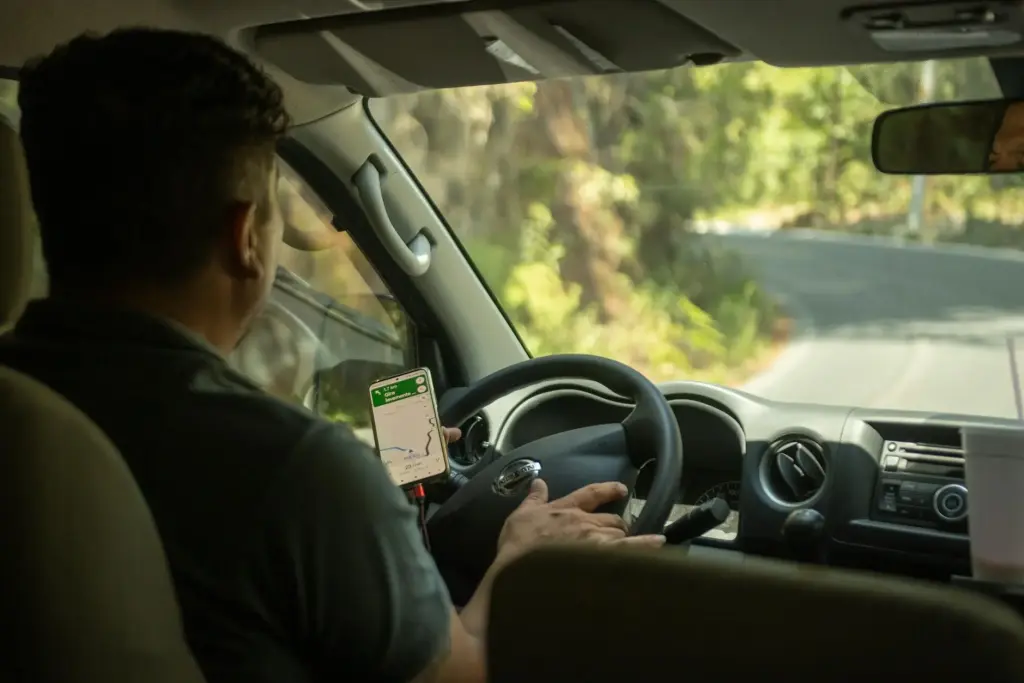
Alongside Ask Maps, Google also dropped Immersive Navigation, which is getting called the biggest overhaul to the actual navigation experience in over ten years. When you start driving, the map now features refreshed colors, detailed 3D buildings, elevated roadways, realistic terrain, and even greenery. The camera dynamically zooms in when it needs to highlight critical road info, showing you 3D perspectives that actually match what you would see through your windshield.
As reported by TechCrunch, the new navigation interface also explains why a particular route was recommended, so you can see the reasoning behind the path and compare alternatives more easily. It pulls from Google live traffic data plus user submissions about construction, crashes, or hazards. After you reach your destination, it will offer more details about where to park or additional walking directions if you need them.
When and Where Can You Use It?
Ask Maps is rolling out now in the US and India on both Android and iOS, with desktop support coming soon. Immersive Navigation starts rolling out in the US next week and will eventually hit Apple CarPlay, Android Auto, and vehicles with Google built-in. Google says they will expand to more regions over time, so if you are not seeing it yet, give it a few days.
The feature is totally free to use — you just need to update your Google Maps app. And no, businesses cannot pay to get bumped up in your recommendations. Google product manager Andrew Duchi said paid placements will not influence which locations appear in Ask Maps recommendations, at least for now.
Is This Actually Useful?
For everyday stuff like finding the nearest gas station or checking if a restaurant is open, conversational AI might feel like overkill. But for trip planning, exploring a new neighborhood, or those moments when you need something specific (looking for you, parents with kids who need bathroom breaks ASAP), this could actually save a ton of time. Less scrolling, more strolling — as Google put it.
If you have ever frustratingly typed a super specific question into Maps and gotten totally useless results, you already know why this matters. Now you can just ask what you actually mean, and Gemini figures it out. That is kind of wild when you think about how far mapping apps have come. According to Forbes, this represents Google most direct integration of its Gemini AI into a product used by more than a billion people monthly.
Comments 0
No comments yet. Be the first to share your thoughts!
Leave a comment
Share your thoughts. Your email will not be published.