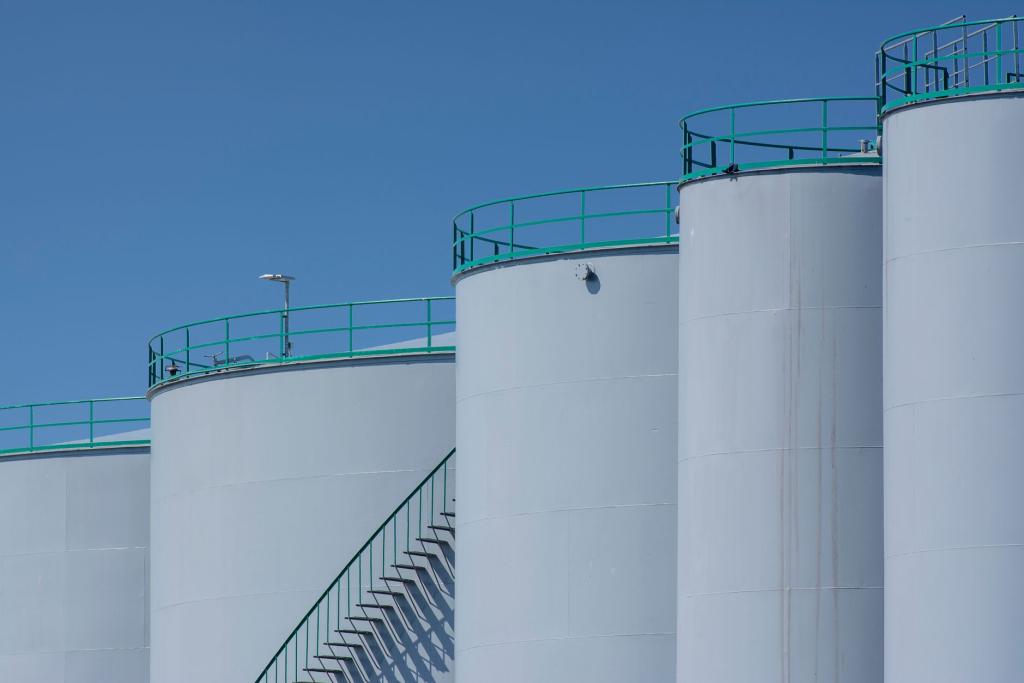
A doom-post went viral in early-to-mid September 2026 claiming America is about two weeks from running out of oil entirely. The posts looked alarming: with the Iran war disrupting tanker traffic and crude prices above a hundred dollars a barrel, the United States supposedly had only 14 days of oil left. The math in the viral posts is real arithmetic. It is also nonsense, because it divides the wrong numbers — and the debunking tells a more useful story about American energy than the panic ever did.
The claim spread across social feeds as the fallout from the Strait of Hormuz disruptions pushed energy anxiety to a fever pitch. Energy economist Robert Rapier, who has spent decades in the refining industry, wrote that he saw the "14 days of oil" calculation circulating on social media and published a full takedown in mid-September. His verdict was blunt: the calculation "does not describe how the U.S. petroleum system works, and even the units are mismatched."
The math that isn't math
Here is the viral equation behind the "14 days of oil" panic: take roughly two hundred eighty-seven million barrels of crude held in the Strategic Petroleum Reserve, divide by roughly twenty-one million barrels per day of American petroleum demand, and you get about fourteen days. The numbers are real. The comparison is not. The reserve holds crude oil, while the demand figure represents total petroleum products supplied — gasoline, diesel, jet fuel, and everything else that comes out the far end of a refinery. Dividing a crude stockpile by a refined-products demand number is comparing two different things and calling it a countdown.
It also ignores almost the entire American oil system. According to the Energy Information Administration's weekly data cited in Rapier's analysis, the United States produces nearly fourteen million barrels of crude a day, holds more than four hundred million barrels in commercial crude inventories, and has refineries processing about seventeen and a half million barrels daily. Crude keeps moving in and out of the country every day through trade. The emergency stockpile sits behind that continuously operating system as insurance. As Rapier put it, it is "not a tank America is living from until it runs dry."
Why the reserve looks so low
The posts did latch onto one real fact: the reserve is genuinely depleted. It fell to its lowest level since the early nineteen-eighties after years of emergency drawdowns. The March 2026 release — one hundred seventy-two million barrels as the American share of a four-hundred-million-barrel coordinated IEA emergency action, the largest in the agency's history — was a deliberate policy move, announced by the Department of Energy to cushion the price shock from the Hormuz disruptions. Drawing down an emergency reserve during an emergency is what the reserve is for; the Department describes it as a tool for reducing the impact of severe petroleum supply disruptions.
There is also a legitimate worry hiding under the fake one, and it is worth stating plainly. The cushion is now about forty percent of the stockpile's design capacity, near the floors where emergency drawdown capacity starts to matter. More than a hundred million barrels of the recent release were structured as exchanges with major traders that must be returned, with interest, beginning early next year — meaning future refilling will itself add demand pressure. Diesel prices touched records in September, and gasoline stayed painfully high. The true story is thin margin for error, not empty tanks. As Rapier argued, the useful question is how much emergency capacity remains and how fast it can reach the market — not a viral countdown to zero.
Why the fake countdown matters
A false two-week warning does real damage. Believing gas stations could run dry drives panic-buying and hoarding — the exact behavior that caused genuine shortages during the 2021 Colonial Pipeline cyberattack, when the fuel existed but panic emptied the stations. The "solution" the claim encourages can manufacture the very shortage people fear. It also erodes trust in the emergency tools that are actually working: releases from the reserve demonstrably cushion price shocks, and treating a deliberate policy buffer as proof of collapse makes it harder for the public to support sound energy policy. Bad actors love wartime anxiety, because it converts so efficiently into engagement.
This particular arithmetic has a history. Variations of the same mismatched division have resurfaced every time the reserve hits a low — including during the 2022 drawdowns — each time dressed up in whatever crisis is current. The September version rode a real news hook: crude holding above a hundred dollars, tanker attacks escalating after a ceasefire lapsed, and a pipeline shutdown in Saudi Arabia. Real stress plus fake math equals a post that feels urgent enough to share without checking. If you saw it, you were the target audience, not the beneficiary.
The takeaway is simple enough to remember. The "14 days of oil" countdown is fake; the thin cushion is real. America has near-record production, hundreds of millions of barrels in commercial storage, and an emergency reserve at its thinnest level in four decades. One of those facts is a reason to doom-scroll. The other is a reason to pay attention. For more on how viral claims get fact-checked, see our look at the dead internet theory, and browse the Conspiracies topic page for more debunks.
Comments 0
No comments yet. Be the first to share your thoughts!
Leave a comment
Share your thoughts. Your email will not be published.