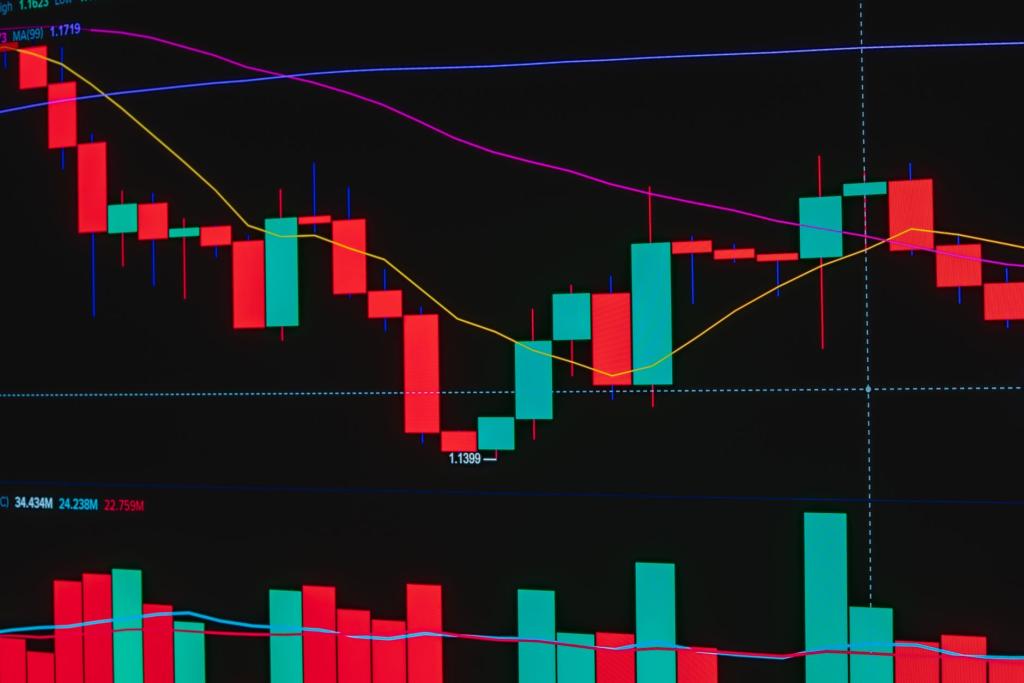
Almost Around the Clock trading is coming to the US stock market. Starting December 6, 2026, Nasdaq and NYSE Arca will extend their sessions to 23 hours a day, five days a week, leaving American stocks dark for just one hour each weeknight while systems pause for maintenance, according to a client alert from the law firm Skadden.
The new schedule adds an overnight session running from 9 p.m. to 4 a.m. Eastern time, Sunday through Thursday nights, with a mandatory one-hour pause between 8 p.m. and 9 p.m. on weeknights for a technical refresh. For young investors in Asia and Europe, that means US stocks will finally trade during local daytime hours. For everyone else, it means the opening bell is about to become a quaint historical concept.
This is not a small pilot program. Five national securities exchanges have already received conditional approval from the Securities and Exchange Commission to offer the expanded hours, and the remaining infrastructure pieces have fallen into place over the past year. The era of Almost Around the Clock trading is the product of deliberate engineering, not a marketing stunt.
The Plumbing Had to Catch Up First
A stock exchange cannot simply stay open longer; the pipes underneath the market have to run all night too. The SEC granted conditional approval to the first of the two back in February 2025 and to the other in April 2026, but both approvals hinged on support systems being ready. Clearing was the first domino: the National Securities Clearing Corporation switched on its 24x5 clearing system on June 29, 2026, so trades made overnight actually settle.
The second domino was market data. The consolidated feeds that distribute real-time quotes and trades across exchanges historically shut down with the closing bell. On June 26, 2026, the SEC approved amendments letting those data plans extend their operating hours, with the December launch date locked in. Exchange representatives confirmed the date at an industry roundtable this fall, according to a separate client alert from WilmerHale. With approvals, clearing and data feeds all lined up, the schedule is set.
What Overnight Trading Actually Looks Like
Here is the number that should sober up any new trader: overnight volume currently averages roughly two to three million shares per hour during peak times, a fraction of the hundreds of millions of shares per hour that change hands during regular trading hours, according to market-structure analysis from Day Trading Toolkit. Thin liquidity means wider bid-ask spreads and unreliable execution for anyone trying to day-trade a thin order book at 2 a.m.
Major brokerages including Interactive Brokers, Robinhood and Charles Schwab already let customers trade overnight through alternative trading systems, so the plumbing for after-hours orders exists today. What changes in December is that the big exchanges themselves will host the overnight session with full consolidated data, which should gradually pull more volume, and more liquidity, into those hours.
Regulators are watching the experiment closely. The global securities watchdog IOSCO has cautioned that demand for extended hours comes mostly from retail investors, with limited appetite from big institutions, which suggests liquidity in the new sessions may stay thin and spreads wide. That warning matters for a generation that learned to trade on its phone: the same app that makes buying a share effortless at noon can make losing money effortless at midnight.
The Rest of the World Is Not Standing Still
The US is not the only market racing toward longer days. South Korea launched after-hours real-time trading in September 2026, extending sessions for most listed stocks into the evening, and the London Stock Exchange has announced plans for extended trading in the first half of 2027, starting with exchange-traded products. European exchanges remain more cautious: a February study by the World Federation of Exchanges covering sixty trading venues found that European markets put greater emphasis on concentrating liquidity and are wary of thinning it across longer sessions.
There is also a competitive angle that rarely makes the headlines. Startup exchanges and off-exchange venues were already offering overnight sessions and chipping away at the incumbents' market share, so Nasdaq and NYSE Arca extending their own hours is partly a defensive move to win that flow back, according to Crypto Briefing. The winners will be decided by where the liquidity actually shows up.
For young investors, the practical playbook is straightforward. Almost Around the Clock trading is a tool, not a lifestyle: use limit orders, expect wider spreads overnight, and do not trade a volatile earnings report in a thin session unless you understand the risk. Markets nearly never sleeping is historic. Your portfolio does not need insomnia to match.
The backdrop for all of this is a market already on edge. Chip stocks just suffered their worst week in years (chip stocks worst week), and India’s Supreme Court just ruled a controversial bank bond write-off illegal (Yes Bank bond ruling). Longer hours will not calm those nerves, but they will give investors everywhere a chance to react in real time, whatever time that happens to be.
Comments 0
No comments yet. Be the first to share your thoughts!
Leave a comment
Share your thoughts. Your email will not be published.