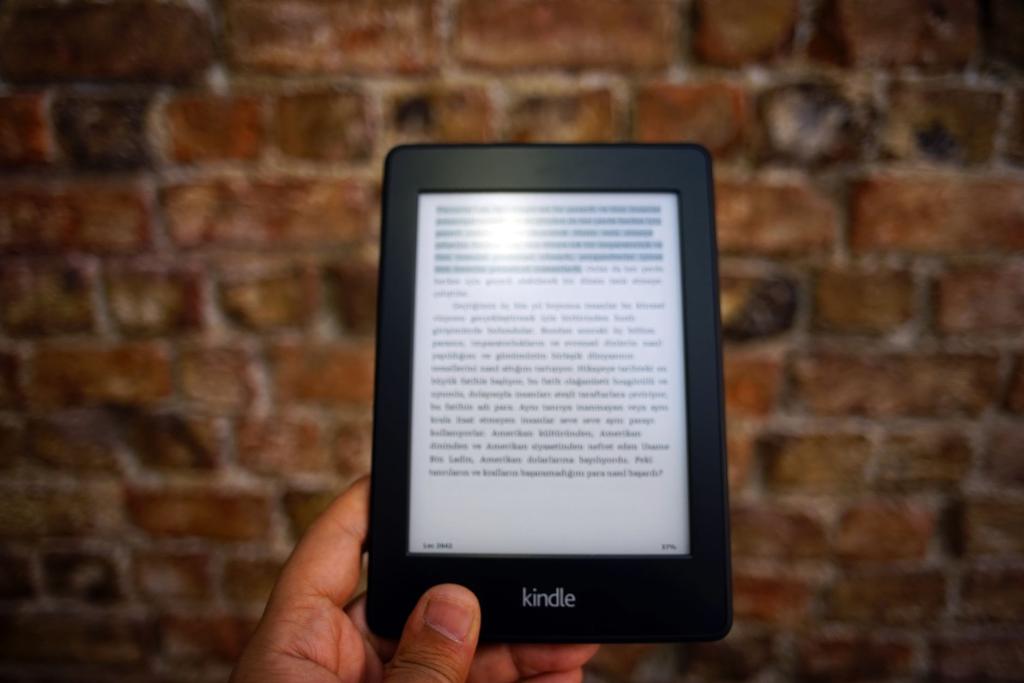
Honor's answer to the reading-on-your-phone problem is the Honor Life S3, a pocket-sized e-ink reader with a magnetic back that snaps straight onto a smartphone. Announced alongside the Magic 9 series and now on sale in China, it is a second, paper-like screen for reading that rides along with the phone already in your pocket.
A reader that piggybacks your phone
The hardware is unapologetically minimal. The Honor Life S3 centers on a 3.68-inch e-ink touchscreen with 259 PPI, layered under frosted glass that gives the screen a paper-like feel, plus a soft-light mode meant to ease eye strain during longer sessions. There are no page-turn buttons: the display is one large touch surface, and a tap flips the page. It weighs just 61 grams and measures 5.6 millimeters thick, so paired with a phone it still comes in lighter than most paperbacks. The magnetic back is the headline trick, snapping onto a compatible phone in a single click and sitting near flush so the pair gains little bulk. For phones or cases without built-in magnetic support, the box includes a magnetic ring, according to Digital Trends, which credits GSMArena for that detail.
Battery life is rated at 30 hours of continuous offline reading, or roughly a week of normal use, according to Gizmochina. That is the whole point of e-ink: the screen draws power only when the page changes, so a device this small can still outlast any phone. That miserly power draw is what makes the whole magnetic-reader concept viable at this size.
For now the reader is a China-only story. It launched on Chinese shopping platforms alongside Honor's latest flagship phones, with no announced pricing or release date for other markets. That is typical for Honor's experimental hardware, which often tests at home before traveling, but it also means the sixty-dollar price tag comes with an asterisk for anyone outside China.
Books in, apps out
Getting books onto the Honor Life S3 works two ways. The reader taps into JD Read, the e-book service of Chinese retailer JD, with more than seven hundred thousand licensed titles, according to tech-ish. Your own files work too: the reader opens EPUB, PDF, MOBI, DOC, DOCX and TXT, and a microSD slot accepts cards up to a terabyte. Built-in storage is just 16MB, so that slot is doing real work. Wireless transfers move through Honor's Smart Space app.
The trade-off is software. The Honor Life S3 runs RTOS, a lightweight real-time operating system, instead of Android, which means no native Kindle app and no app store. Loading outside books means manual file transfers through the Smart Space app, a limitation Good e-Reader flagged in its review of the device.
The tiny-reader race is getting crowded
Honor did not invent the miniature reader. Xteink and Onyx's Boox Picco already sell into this niche, and Good e-Reader frames the Honor Life S3 as a direct challenger to Xteink. Where Honor stands out is price: at 399 yuan, roughly sixty dollars, it undercuts every rival tech-ish compared it against. A JD listing priced it lower still, but the official number is the one that matters. That pricing puts dedicated reading hardware within impulse-buy territory for students and commuters.
Whether a screen this small is actually pleasant remains the open question. It will not replace a full-size reader, and cranking the font large on a panel this small means a lot of page taps. Digital Trends put it plainly: the appeal is a few pages on the train, not a full novel in one sitting. Still, for commuters and short-break readers who will not carry a second device, a sixty-dollar e-ink screen that lives on the back of the phone is a genuinely new shape for reading. The Honor Life S3 is the cheapest way to try the format: a sixty-dollar experiment in whether reading deserves its own screen, even a tiny one. Gen Z NewZ has been tracking the shrinking-gadget beat: Google just opened pre-orders for the Googlebook, its Android laptop play, and Apple's first foldable iPhone ships October 23.
Comments 0
No comments yet. Be the first to share your thoughts!
Leave a comment
Share your thoughts. Your email will not be published.