More investing coverage. Two big things happened in the same week that show how far cryptocurrency has come into the American mainstream, and how fast the rules around it are still being written.
Robinhood, the trading app that became famous for letting young investors buy fractional shares of Tesla and GameStop, joined the S&P 500 in mid-2025, according to the Associated Press apnews.com. It is the index that institutional investors and most retirement funds are required to track. Inclusion means Robinhood is now part of the bedrock of the U.S. equity market.
The same week, American Bitcoin, a bitcoin mining company backed by members of the Trump family, started trading on Nasdaq. According to the Associated Press apnews.com, the company rose in its first day of trading. The Trump family has also struck a Crypto.com partnership that is expanding a fast-growing crypto exchange into mainstream U.S. consumer finance, per a separate AP report apnews.com.
For Gen Z investors, this is the moment the line between crypto and Wall Street stopped being a real line.
What Bitcoin Actually Is in 2026
Bitcoin has been around long enough that most younger investors have never known a financial system without it. The first bitcoin was mined in 2009, the first major exchange, Mt. Gox, opened in 2010, and the first bitcoin futures contract on a major U.S. exchange started trading in 2017. Spot bitcoin ETFs from BlackRock, Fidelity, and others were approved by the Securities and Exchange Commission in January 2024.
That was the inflection point. Spot bitcoin ETFs made it possible for ordinary investors, including retirement savers, to hold bitcoin inside a normal brokerage account, the same way they hold shares of Apple or a bond fund. By mid-2026, the total assets in U.S. spot bitcoin ETFs were above 100 billion dollars, according to industry trackers.
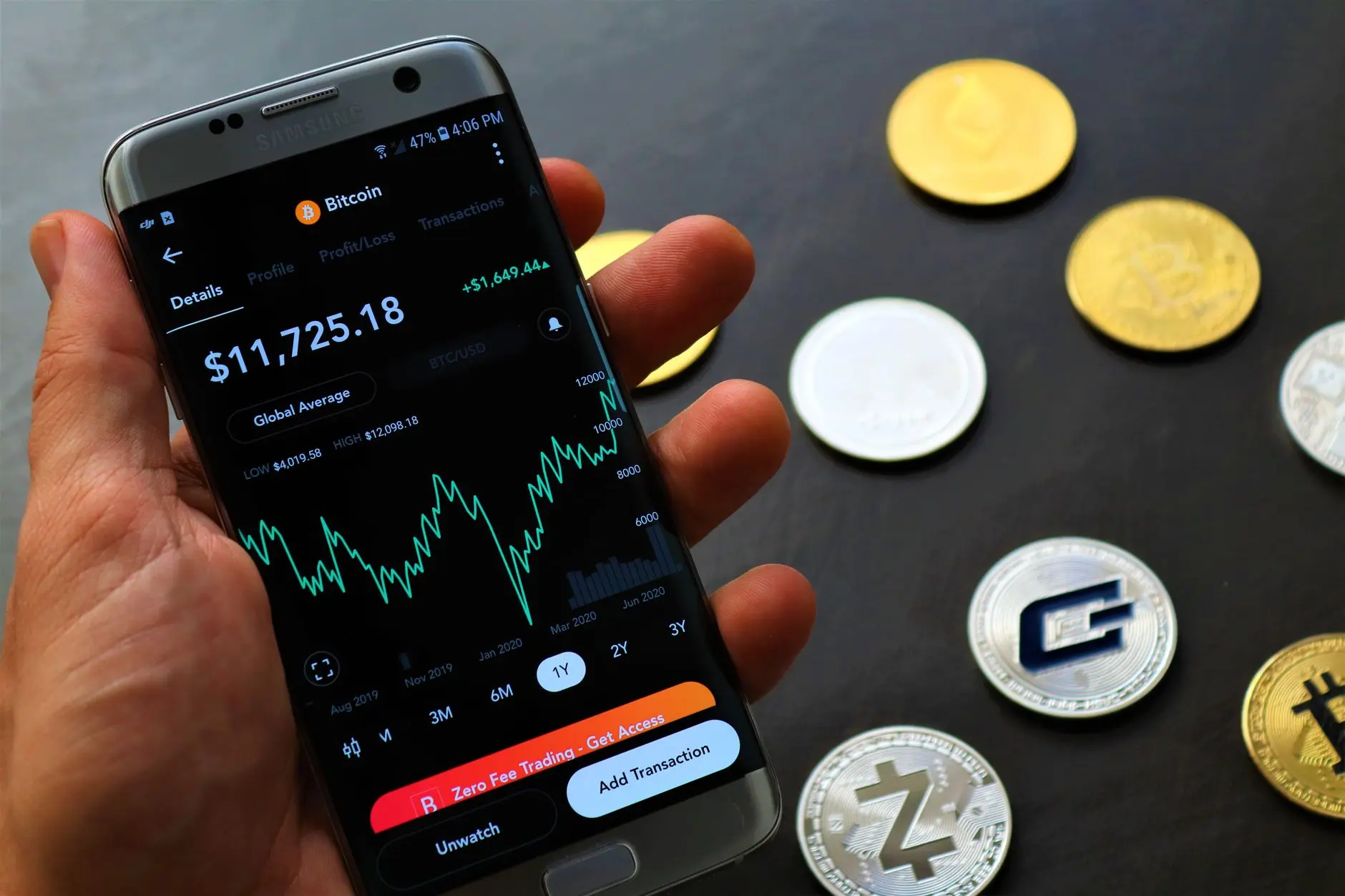
That money flow matters for the price. Each bitcoin costs around 70,000 to 90,000 dollars in 2026, depending on the day, after hitting an all-time high above 100,000 dollars in late 2024. The price swings are still big, sometimes 10 percent or more in a week, but the market is now deep enough that ordinary investors can move in and out without blowing up the price.
What Has Changed for Gen Z Investors
The biggest change is the cost of entry. Most major brokerages now offer bitcoin trading with no commissions and very small spreads. Some platforms, including Robinhood, let users buy as little as 1 dollar of bitcoin.
The second change is the tax treatment. In the United States, bitcoin held inside an ETF is taxed like any other security, which means capital gains rules and no special reporting. Bitcoin held directly in a wallet is also taxed as property, but requires more careful record-keeping.
The third change is regulation. The Trump administration has taken a friendlier approach to crypto than its predecessor, with new SEC leadership, an executive order on digital assets, and a Strategic Bitcoin Reserve established in early 2025. That is the opposite direction from the European Union, which is rolling out its MiCA rules to tighten oversight of crypto companies. China has cracked down hard on retail crypto trading while building its own digital yuan. More investing coverage
The result is that the same asset is being treated in three very different ways in the world's three biggest economies.
What Gen Z Is Actually Doing With Crypto
According to surveys from Charles Schwab and Bank of America, between 30 and 40 percent of Americans under 40 now own some form of cryptocurrency, up from less than 5 percent in 2018. The typical Gen Z crypto investor holds a mix of bitcoin and ether, with smaller positions in altcoins like Solana, XRP, and stablecoins.
The use cases have shifted. In the 2017 cycle, the typical retail buyer was speculating on a quick price pop. In 2026, the typical Gen Z buyer is using bitcoin as a long-term savings vehicle, sometimes funded through small automatic purchases, and ether as a way to access decentralized finance applications. Stablecoins, which are dollar-pegged tokens, are increasingly used as a way to move money across borders or to hold savings outside the traditional banking system.
The risk profile has not changed, though. Bitcoin has lost more than 50 percent of its value in three separate years since 2017. Stablecoins have failed and cost their holders real money. Crypto companies have gone bankrupt and committed fraud, including the Terraform Labs case, where founder Do Kwon pleaded guilty to fraud charges earlier this year, according to the Associated Press apnews.com.
What Smart Crypto Investing Looks Like in 2026
For Gen Z investors, the rules are basically the same as for any other volatile asset.
Diversify. Most financial planners suggest keeping crypto at no more than 5 to 10 percent of a portfolio. The bigger the position, the bigger the swing in your net worth when the price moves.
Use dollar-cost averaging. Putting a fixed amount into bitcoin every month, regardless of price, is the simplest way to ride out volatility.
Watch the fees. Crypto exchanges vary wildly in their fee structures. Some are cheap but charge for spreads. Some are expensive but offer insurance or custody. Read the fine print.
Do not chase yield. Decentralized finance platforms offer double-digit returns on deposits, and most of them work, until one does not. The same caution applies to crypto lending products that promise high rates.
Hold your own keys, or do not. Storing bitcoin in a personal wallet gives you full control but full responsibility for not losing the password. Storing it in a regulated exchange is safer in some ways but means trusting the exchange.
The shift from speculation to integration is the biggest change in crypto since 2017. Bitcoin is now boring in the way that index funds are boring. That is not a bad thing. It means it can finally be a part of a real long-term financial plan, instead of a one-way bet on the next price spike.
Comments 0
No comments yet. Be the first to share your thoughts!
Leave a comment
Share your thoughts. Your email will not be published.