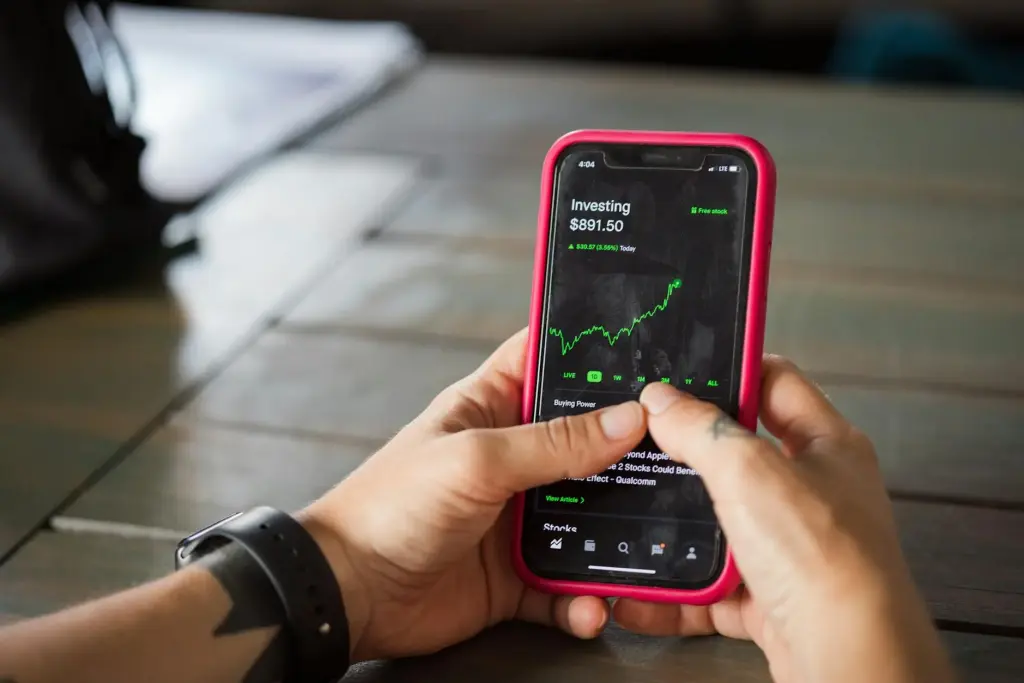
Gen Z buy the dip fever is spreading across social media as stocks continue their wild ride. With the S&P 500 down roughly 9% from its highs and the Nasdaq in correction territory, young investors are wondering if now is the perfect time to scoop up discounted stocks. But financial experts are warning that the Gen Z buy the dip strategy is far riskier than it looks on TikTok, and trying to time the market could cost you more than you think.
Why Everyone Is Talking About Buying the Dip
The stock market just wrapped up its worst quarter since 2022, and the volatility has created what looks like a massive sale on everything from tech stocks to index funds. According to CNBC, the strategy of buying the dip was wildly popular among retail investors during market drawdowns in 2025, with young traders rushing to purchase assets at temporarily lower prices hoping for higher returns when the market rebounds. The trend has been all over FinTok, with creators showing off their latest purchases and claiming they are getting rich by being greedy when others are fearful.
The temptation is real. When you see headlines about the Dow dropping 800 points in a single day, it feels like everything is on sale. And historically, markets do recover. The S&P 500 has always bounced back from major downturns eventually. The problem? No one can actually predict when that recovery will happen, and trying to time the market has burned countless investors before who thought they were being smart. Many people who tried to buy the dip in previous crashes ended up catching a falling knife and losing even more money.
What the Experts Actually Say
Certified financial planner Joon Um, managing owner of Secure Tax and Accounting, told CNBC that the Gen Z buy the dip approach "sounds great, but timing it is really hard" since no one can predict future market moves. The uncertainty around the Iran war, energy prices, and interest rates has made this one of the most unpredictable markets in years. Even professional traders with decades of experience are struggling to navigate these conditions.
If you are experiencing FOMO about buying opportunities during the current downturn, Um said, keep in mind that "missing one dip won't hurt you, but making an emotional decision might." That is advice Gen Z investors should take seriously. Research from JPMorgan Asset Management shows there is a real cost to missing the market's best-performing days, which often closely follow the worst days. If you are sitting in cash waiting for the perfect entry point, you might miss the sudden rallies that define long-term returns.
Jon Ulin, a CFP and managing principal of Ulin & Co. Wealth Management, recommends a different approach entirely. Rather than trying to dump cash into the market all at once, he suggests "dollar-cost averaging," or investing fixed amounts during set intervals over three or four months. This removes the guesswork about whether today is the bottom or if stocks have further to fall. It takes the emotion out of investing and ensures you are buying at multiple price points. See more at Investopedia.
What Gen Z Should Do Instead
Before you start throwing money at the dip, experts say you need a solid plan. Buying should always "fit a long-term plan rather than a short-term reaction" to market volatility, according to Ulin. Ask yourself: Are you investing for retirement in 30 years, or are you trying to make a quick profit? Your timeline matters enormously for how you should approach market downturns.
Some investors maintain what professionals call "dry powder," which is cash set aside specifically for buying opportunities, then deploy it at predetermined prices for diversified assets rather than individual stocks. Success requires discipline and a strategy that does not depend on guessing where the market bottoms out. You need rules about when to buy and how much to invest.
Here is the reality: Trying to perfectly time the market is nearly impossible, even for professionals with entire teams of analysts. Hoarding cash while waiting for rock-bottom prices before entering the market can be just as risky as buying at the wrong time. You might miss the recovery entirely while sitting on the sidelines waiting for clarity that never arrives. Sometimes the best strategy is the boring one: invest regularly, diversify broadly, and ignore the noise.
Visit CNBC for more expert analysis on navigating market volatility and making smart investment decisions during uncertain times.
Comments 0
No comments yet. Be the first to share your thoughts!
Leave a comment
Share your thoughts. Your email will not be published.