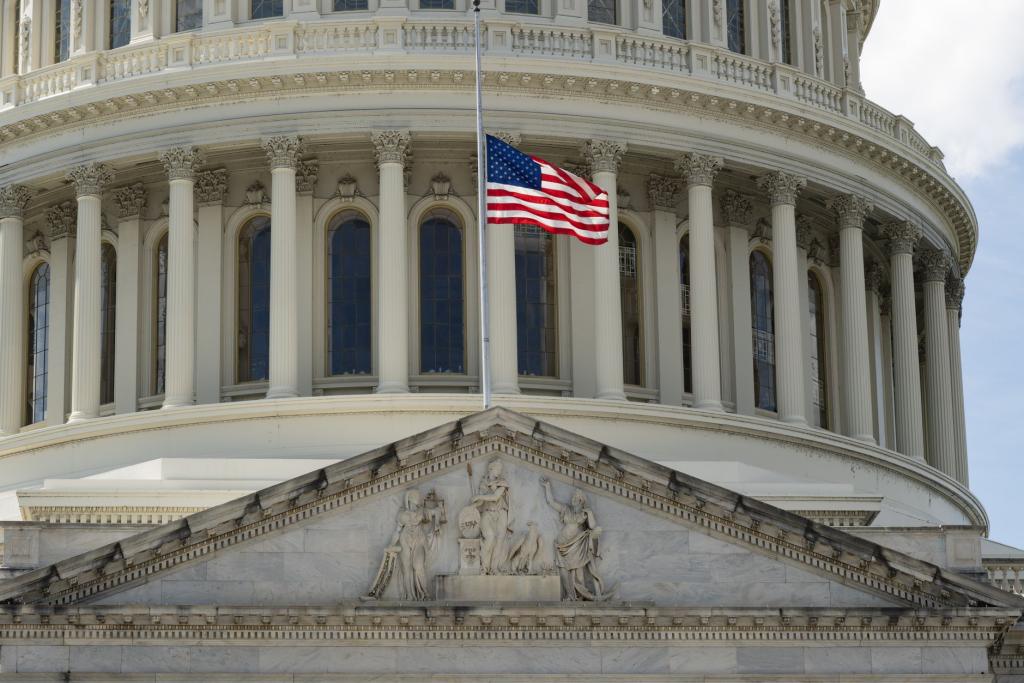
Every autumn, Washington plays chicken with the federal budget, and the averted October 2026 shutdown is this year's twist on the ritual. Last year the game ended with a record-long shutdown that froze paychecks and shuttered parks from October into November. This year the script flipped: lawmakers struck a deal nearly a month before the money ran out, and October 1 came and went like any other Thursday. The calm is misleading, because none of the underlying disagreements got resolved.
On September 2, President Donald Trump signed H.R. 6500, the Continuing Appropriations and Extensions Act, a stopgap that keeps federal agencies funded through December 11. The law "provides fiscal year 2027 appropriations to Federal agencies through December 11, 2026, for continuing projects and activities of the Federal Government," according to the White House signing notice, and it also extends authorities for programs covering surface transportation and veterans.
How the shutdown got called off
The deal behind the averted October 2026 shutdown passed with unusual bipartisan muscle. The Senate approved the measure in August by ninety to six, and the House followed on September 1, adopting the Senate's version by three hundred seventy to forty-eight, the American Dental Association reported. Nineteen Republicans and twenty-nine Democrats voted no, according to tallies from Reuters and CNBC, and the House moved the bill under suspension of the rules, a procedure requiring a supermajority that forced both parties to show up.
What Congress passed was not a real budget. The bill extends current spending levels instead of completing any of the twelve annual appropriations bills that fund defense, homeland security, housing, and energy programs. Agencies stay open, federal workers and contractors dodge the furloughs of earlier standoffs, and military pay, Social Security checks, and Medicare claims keep flowing. New initiatives that need fresh money simply wait.
The stopgap behind the averted October 2026 shutdown also froze a separate fight over research funding. It temporarily blocks the Office of Management and Budget from finalizing a controversial rewrite of the rules for federal grants, a proposal that would let political appointees review discretionary awards and expand the grounds for killing existing ones, the American Society of Mechanical Engineers reported. Universities and labs get a breather through December 11 while that debate continues. Readers following the administration's moves on science money can catch up with earlier GenZ NewZ reporting on the NIH funding fight.
Why the averted October 2026 shutdown still matters
A continuing resolution is a copy-paste of last year's budget. Programs get no new money, agencies cannot launch new projects, and lawmakers never have to agree on priorities. Avoiding a shutdown is good news for anyone who depends on a federal paycheck or program, but it is not the same thing as funding the government. It is a punt, and the disagreement just moves to a later date.
The stakes were real. The shutdown that began on October 1 of last year stretched a month and a half, the longest funding lapse in American history. The Congressional Budget Office estimated that up to seven hundred fifty thousand federal workers could be furloughed in a shutdown, at a taxpayer cost of four hundred million dollars for each day agencies stayed closed.
Timing explains the sudden cooperation. The September 30 deadline fell weeks before the November midterm elections, and neither party wanted to campaign during a shutdown. Pushing the deadline to December 11 moves the next fight into the lame-duck session, safely past Election Day. That timing is the real story of the averted October 2026 shutdown. Polls have shown Democrats with an edge heading into the midterms, according to recent GenZ NewZ polling coverage.
What happens when December 11 arrives
December 11 is the day the stopgap behind the averted October 2026 shutdown expires, not an automatic shutdown date. Congress can pass the full-year appropriations bills, pass another short-term extension, or fail to act and let funding lapse, as a tracker of the funding deadline noted. The disagreements over spending levels that produced last year's crisis remain unresolved, so the lame-duck session could easily become another standoff.
Think of the averted October 2026 shutdown as a trailer. The feature presentation starts in December, when lawmakers return to Washington after the elections and have to decide whether to finish the budget or kick the can down the road again. If past years are any guide, expect the posturing to start around Thanksgiving.
Congress took the easy vote in September. The hard votes are still ahead, and they come due on December 11. The averted October 2026 shutdown bought three months of calm, and lawmakers have to spend them finishing the budget.
Comments 0
No comments yet. Be the first to share your thoughts!
Leave a comment
Share your thoughts. Your email will not be published.