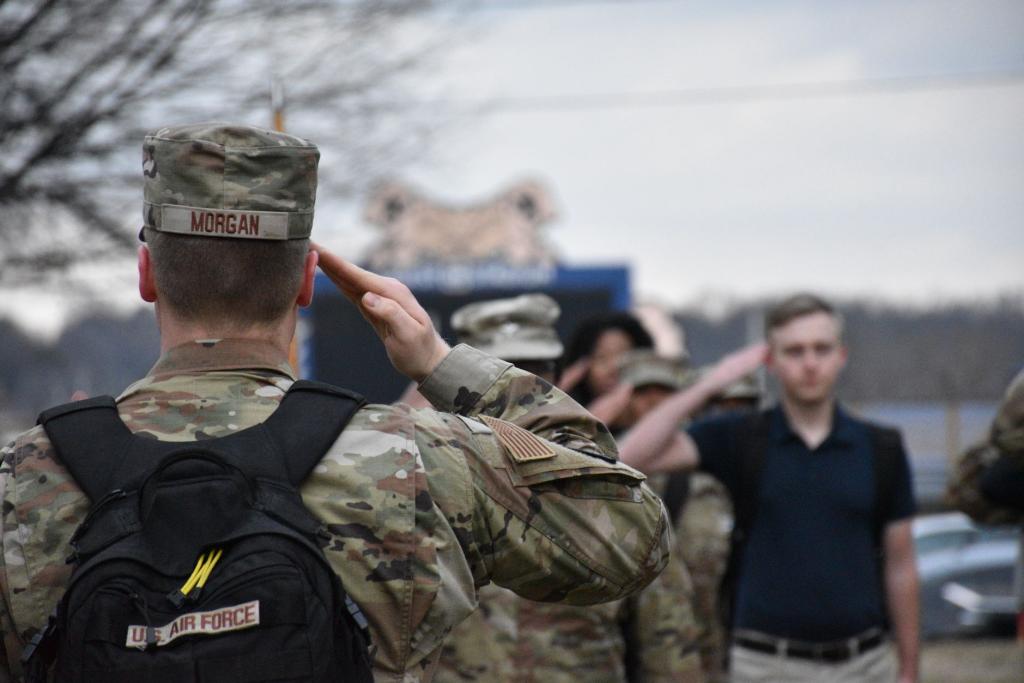
The Army Testosterone Screening program is about to turn routine bloodwork into a military-wide medical project. A research letter published in JAMA in October 2026 estimates that roughly one in four active-duty male soldiers would score below the Pentagon's testosterone threshold on a single morning draw — a result that could trigger confirmatory testing and clinical evaluation for more than a hundred thousand troops, according to the study's authors.
The analysis, led by researchers at the Pennington Biomedical Research Center in Louisiana and the U.S. Army Research Institute of Environmental Medicine, drew on morning blood samples from 479 male soldiers at five Army installations collected between August 2024 and January 2026. The group's weighted average morning testosterone level was 405 ng/dL. Against the Pentagon's cutoff of 300 ng/dL, the researchers projected that 100,691 active-duty soldiers would post a low screening value — a weighted prevalence of 25.7%. Defense News reported the findings in detail.
A summer announcement becomes a medical mandate
Defense Secretary Pete Hegseth announced the screening policy in July 2026, making annual testosterone testing mandatory for male service members 30 and older while leaving it voluntary for younger troops experiencing symptoms such as fatigue or low libido. In a video posted to social media, Hegseth described keeping troops on the "leading edge of lethality" as the goal, the outlet reported. A Pentagon memo followed, requiring yearly screening for all active-duty and reserve personnel in the covered age group.
Clinical guidance issued in September 2026 spells out how the testing will work. Troops will have blood drawn in the morning on two separate days, and those falling below the cutoff will be referred for confirmatory testing and a clinical evaluation. Treatment, if offered, is voluntary and can involve once- or twice-weekly injections, a daily pill, or a gel. There are no penalties for declining therapy.
A low number is not a diagnosis
The authors stress that a screening flag is not a medical diagnosis. Their estimate for soldiers closely matches rates in the general U.S. male population, suggesting the military is not an outlier. A stricter benchmark from a CDC reference study — 264 ng/dL — would capture a smaller share, with a weighted prevalence of 14.7 percent, the paper reports.
True clinical hypogonadism is far rarer than the screening numbers suggest. A separate study published last year found that just 0.43 percent of active-duty men — 12,112 of more than 2.8 million service members — carried a hypogonadism diagnosis. Medical societies recommend testing only men with compatible symptoms, and a single morning reading can mislead: testosterone fluctuates with the time of day, sleep, food intake, illness, and stress, as urologist Darren Katz told New Scientist.
The age pattern was unexpected. Nearly one in five soldiers under 30 tested below the Pentagon's cutoff, while the share climbed to 32.8 percent among those 30 and older — the very group now required to screen. Each five-year increase in age raised the odds of a low reading, as did higher body mass index, the researchers found.
Doctors fear a treatment cascade
Outside experts say the mandate runs counter to medical guidance. Both the Endocrine Society and the American Urological Association advise against screening men who have no symptoms, and Katz argues treatment decisions should rest on symptoms plus confirmed repeat testing. "Testosterone should be prescribed to treat a medical condition, not simply to achieve a higher number on a blood test," he said. He favors a targeted approach based on symptoms and risk factors rather than automatic screening of every man past 30.
The stakes of overtreatment are concrete. Testosterone therapy can reduce sperm production and cause infertility, alongside risks of blood clots, mood swings, and irritability — a serious concern for young troops who may want children. The therapy market around the hormone has grown into a $4.5 billion industry, and a 2018 federal study of 800 older men found that treatment improved erectile function, libido, and mood but did little for fatigue, memory, or overall well-being. For readers tracking how early screening plays out in other conditions, Gen Z NewZ has covered the distinct early warning signs researchers found in early-onset Alzheimer's, while a separate line of men's health research recently showed real promise for a men's health treatment.
The Pentagon's counterargument is readiness. Hegseth has framed the initiative as restoring troops' natural capabilities and protecting longevity, and officials stress that no one will be forced into treatment. Still, researchers interviewed about the study caution that a high testosterone number could become an "oversimplified proxy for masculinity and virility" — conflating a lab value with being a good soldier.
What happens next is a logistical question as much as a medical one. The Army Testosterone Screening is expected to send tens of thousands of soldiers through repeat morning draws, counseling on sleep and weight, and decisions about long-term therapy. The study authors' bottom line: telling an isolated low screening value apart from genuine hypogonadism will determine whether the program helps troops or simply medicalizes them.
Comments 0
No comments yet. Be the first to share your thoughts!
Leave a comment
Share your thoughts. Your email will not be published.