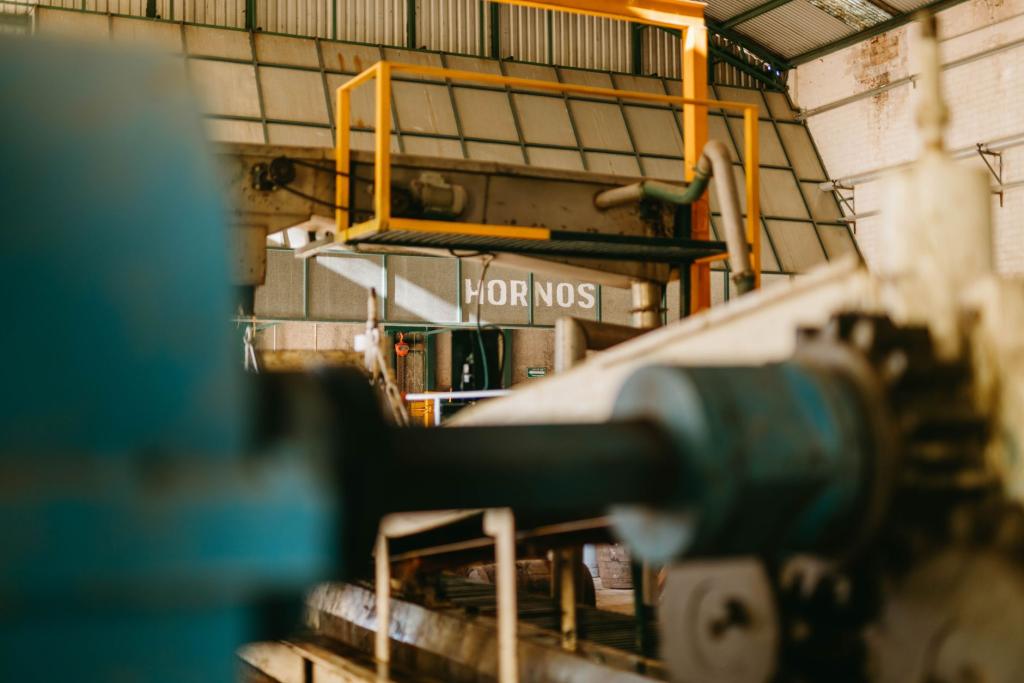
Tesla began delivering its Semi electric truck to customers this week from a new factory in Sparks, Nevada, almost nine years after chief executive Elon Musk first showed the Tesla Semi in 2017. The 1.8-million-square-foot plant, built next to Gigafactory Nevada, is designed to produce 50,000 trucks a year, or roughly one thousand a week, according to Reuters.
The launch moves Tesla from passenger cars into commercial freight. The Semi was unveiled with production expected in 2019. A small number of hand-built trucks reached PepsiCo in late 2022, but the broader ramp slipped through the Covid pandemic and a global parts shortage. Tesla's July shareholder letter quietly dropped an earlier forecast for volume production this year.
A factory nine years in the making
Tesla marked the milestone with a webcast event on September 24 at the plant. Customers including PepsiCo, DHL and US Foods were invited on stage, and trucks carrying their logos were parked outside, Reuters reported. Dan Priestley, Tesla's director of Semi truck engineering, said the production ramp would bring more than 3,000 jobs to Nevada during the ramp period.
Musk did not attend the event in person. In a recorded video message, he advised fleet operators who had not yet ordered to "place more orders," saying the waiting list was "already pretty significant." He described the Semi as a breakthrough product for heavy shipping. Tesla revealed the final production design in February, and the first truck rolled off the new line in April.
What the truck offers
Tesla will sell two versions of the Tesla Semi. The Long Range model can drive five hundred miles on a single charge while fully loaded. Priestley said customers had validated the five-hundred-mile figure in real-world driving. The Standard Range version is rated at 325 miles with a full 82,000-pound gross combination weight. Lars Moravy, Tesla's vice president of vehicle engineering, said a truck carrying around sixty thousand pounds could travel about six hundred miles.
The truck's energy consumption has improved to about 1,700 watt-hours per mile, down from an original target of two thousand, which lets Tesla use a lighter and cheaper battery without sacrificing range. Musk has said the company will add self-driving features to the truck, which he called "very important for safety."
Tesla did not disclose current pricing. When the Semi was introduced, the company listed starting prices of one hundred fifty thousand dollars for the three-hundred-mile version and one hundred eighty thousand dollars for the five-hundred-mile version. Pricing estimates since then have run well above those figures.
The hard part: demand and competition
Early orders suggest real fleet interest. An alliance of fifteen operators placed a combined order for 2,500 Semis after a competitive procurement process organized by the Smart Freight Center and Catalyst Mobility, with the trucks to be run by carriers serving the alliance's major shippers. Swedish freight technology company Einride separately ordered another five hundred trucks. Other customers named at the launch include WattEV, ABF, IMC and OK Produce.
The timing may help the Tesla Semi. Diesel prices in the United States have soared to record highs, which makes the economics of electric freight unusually attractive. Musk made the pitch directly at the event, saying the cost of electricity per mile is much lower than diesel and that the numbers make sense for fleets. Electricity costs are becoming a flashpoint elsewhere, too: the House this week passed a bill on who pays for the grid upgrades that data centers require.
Competition has not stood still, though. A recent study by the International Council on Clean Transportation found that electric trucks from legacy manufacturers cost more and deliver roughly half the range of the long-range Tesla Semi, Overdrive reported. Demand for zero-emission heavy trucks remains thin: just 875 were registered in the United States last year, down from 1,103 the year before, according to the council. Tesla has over-promised on the Semi before, and analysts say the real test now is the pace of the ramp and whether early orders turn into repeat business.
Freight is a different business from the one that made Tesla's name. The company built its reputation on sedans and SUVs sold to individuals; fleet operators measure everything in cost per mile and downtime. The factory in Nevada gives Tesla its first chance to prove the truck's case at scale, as the tech industry keeps pushing further into AI-driven hardware, from Google's Gemini-powered Googlebook laptops to electric trucks.
Comments 0
No comments yet. Be the first to share your thoughts!
Leave a comment
Share your thoughts. Your email will not be published.