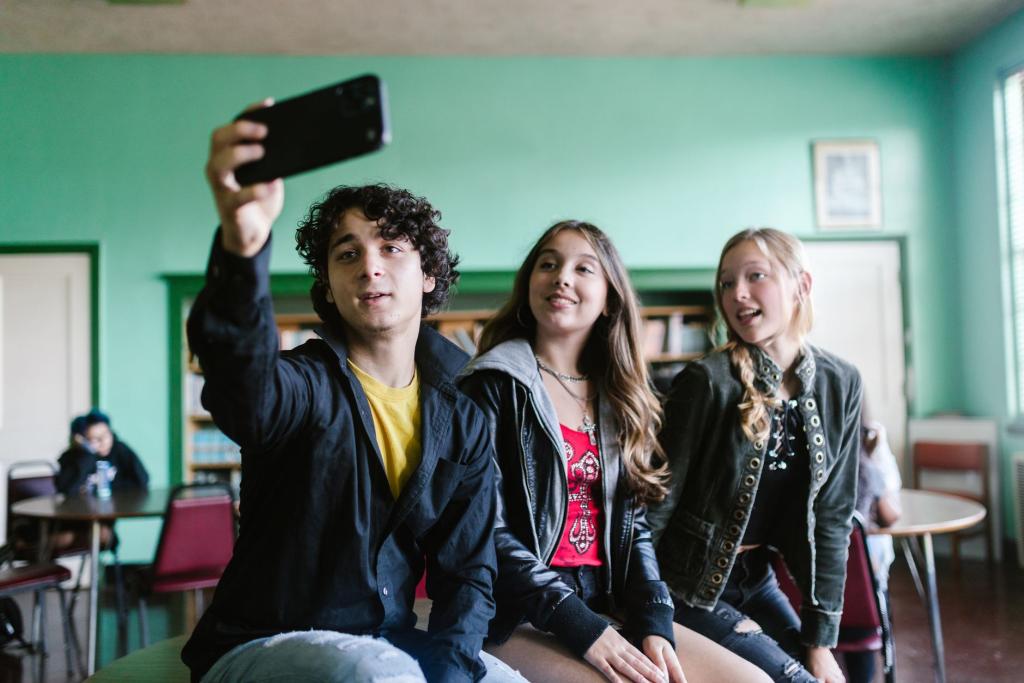
Young audiences have a clear answer when asked where stories live, and it is not the cinema or the television set. The fifth annual Teens and Screens report from the Center for Scholars and Storytellers at UCLA surveyed more than fifteen hundred Americans aged ten to twenty-four about movies, television, video games, social media and artificial intelligence. YouTube came out on top as a storytelling medium, ahead of the formats adults usually mean when they talk about stories. The result says as much about who gets to decide what counts as a story as it does about any single platform.
Yalda T. Uhls, founder and chief executive of the center and senior author of the study, put the shift in plain terms. "The gatekeepers have changed and young people themselves are deciding what they want to watch and what they want to see more of in the content they choose," Uhls said, according to TheWrap's coverage of the Teens and Screens report. Industry leaders, she added, need to pay attention to young viewers themselves and to people who work on youth wellbeing. The survey did not ask teenagers to rank platforms in the abstract. It asked what they actually treat as storytelling, and their answers stretched the word well past film and television.
YouTube leads a wider definition of story
Almost three quarters of respondents ranked YouTube as the top medium for storytelling, at 72.9%, according to TheWrap. Television shows followed at 70.3%, movies at 70.2% and video games at 68.5%. Nearly four in five respondents said short-form videos can tell a story, and TikTok led social platforms at 64.2%. The numbers sit close together, which is part of the finding. Young viewers are not abandoning older formats. They are adding online video to the same shelf, and ranking it first.
Cinema still holds a place in their week. Seeing a new movie in theaters was the top-ranked weekend activity when money and logistics were no obstacle, according to TheWrap's coverage of the Teens and Screens report. Live-action content also ranked higher than animation. The picture is not a generation walking away from the big screen. It is a generation that treats a phone screen, a cinema screen and a game console as different rooms in the same house, and picks the room that fits the evening.
What young viewers want to see next
Relatable stories topped the wish list in the Teens and Screens report for a second straight year. Asked what kinds of stories they want in television and film, respondents put hopeful, uplifting stories about people beating the odds first, followed by friendships and social groups, and then people with lives like their own. Superheroes came fifth among the topics offered, while stories about partying, drugs and drinking alcohol came last. The order matters for studios that still treat spectacle as the safest bet with younger audiences.
Representation was the sharper demand in the Teens and Screens report. About 55% of respondents said they want to see more neurodivergent characters on screen, according to TheWrap, covering people with autism, ADHD, dyslexia and other learning or thinking differences. Only 22.7% felt existing portrayals usually felt true to real life. The gap between wanting more and trusting what exists is the part studios should sit with. Young viewers are asking for characters drawn from real experience, and saying plainly that much of what they have seen so far does not match it.
Romance, meanwhile, keeps losing the argument. A little more than half of respondents, at 57.3%, said they want to see more platonic relationships on screen, and 52% said romantic relationships in media take up more space in fictional lives than they do in real life. The finding echoes earlier editions of the survey, in which young viewers said romance was overemphasized and friendship deserved more room. Casting followed the same instinct. Only 16.8% said they would cast an influencer in a movie or television show, while nearly two in five said they would rather cast an unknown actor. Familiar faces, it turns out, are not the draw. Familiar lives are.
AI fascinates the youngest and unsettles older teens
The Teens and Screens report also asked how young viewers feel about programs featuring artificial intelligence, and age split the answers. Among respondents aged ten to thirteen, about 44% described such programs as fascinating, while 9.7% used negative words like doom. By age nineteen, doom was the dominant emotion, named by 27.4%, and only 17.7% reported feeling excitement. The shift suggests that familiarity with AI grows alongside wariness, and that the same technology can read as a wonder to a child and a warning to a young adult.
That split should interest anyone making shows about technology for younger audiences. A program that plays as adventure to its youngest viewers can land very differently with viewers a few years older, who have watched AI move from classroom novelty to workplace question. The Teens and Screens report does not settle whether that wariness is healthy skepticism or early fatigue. It does show the feeling is real, it grows with age, and it belongs in the room when stories about AI get written.
According to our earlier reporting, readers following Gen Z culture can also read Gen Z Youth Mental Health Needs Listening, Not Dismissal, Gen Z Is Solomaxxing: Single Life, On Purpose and The Chinese Gen-Z Freelancer Who Chose Freedom Over a Paycheck. The Teens and Screens report gives those conversations a shared frame. Young viewers have now said what they want in plain numbers. The next move belongs to the people making the shows.
Comments 0
No comments yet. Be the first to share your thoughts!
Leave a comment
Share your thoughts. Your email will not be published.