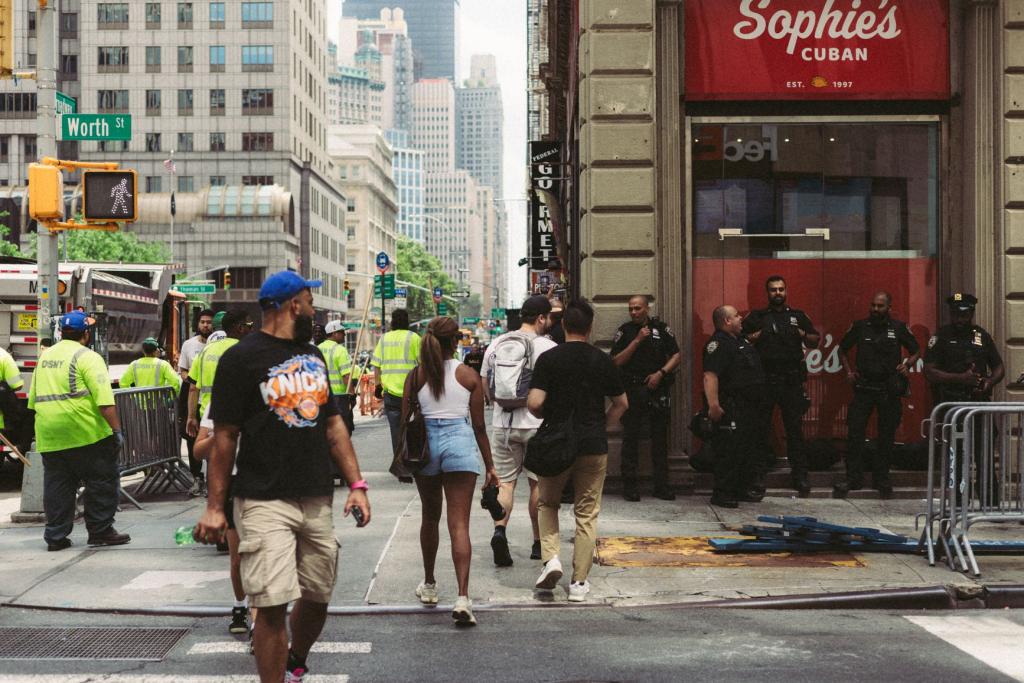
Supreme has signed a licensing deal with New York City itself, letting the streetwear powerhouse sell merchandise printed with trademarks the city owns. Under the agreement, disclosed in a legal notice posted online in early October, the brand can use marks such as “Made in NY” and “NYPD” on its products through 2028, as reported by the New York Post in an exclusive. A mirror of the exclusive lays out the terms in detail.
The contract is non-exclusive and runs through NYC Tourism + Conventions, the nonprofit organization that handles tourism marketing for New York City. Supreme will pay six percent of net profits from city-logo items plus a one-time lump sum of twenty-two thousand dollars, and the tourism body holds an option to extend the deal through 2030, according to a second detailed account of the notice.
Supreme has already released the first city-logo items: zip-up hoodies carrying the DSNY logo that honor New York City’s sanitation workers, and baseball caps featuring the FDNY logo. The hoodies sold at $188, while the fire-department caps went for fifty-eight dollars. Both sold out quickly, drawing lines at the brand’s Bowery flagship in Manhattan.
Shoppers at the Bowery store welcomed the tie-up. Katherine Donnelly, a first-time customer who works for the city’s Department of Design and Construction, said people want to represent New York and that the specificity of the official logos is what makes the pieces appealing to carry beyond the store. Will Guartan, a regular Supreme shopper, said the fire department hats and the sanitation collaboration sold out fast, adding that people are simply drawn to New York City merch.
A rare kind of brand deal
City governments rarely act as licensors for streetwear, which makes the arrangement unusual. Most fashion licensing runs brand to brand — sneaker labels co-designing with luxury houses, or musicians lending their names to merch lines. Here the counterparty is New York City itself, and the non-exclusive structure means the tourism organization can strike the same kind of pact with other labels. Nike and J. Crew already hold similar arrangements with it. Sports teams license their marks to apparel makers constantly, but a city hall licensing its police and fire department marks to a downtown label is a different animal entirely.
The economics lean in the brand’s favor: a six-percent cut of net profits on a limited product line is modest next to the flat lump-sum fee. For New York City, the upside is cultural as much as financial — Supreme’s global following turns official department logos into walking advertisements for the five boroughs, while the proceeds flow back to the city’s tourism body instead of a private licensor.
What fans can expect through 2028
The current contract runs through 2028, with an option that could stretch the partnership to 2030. That timeline gives Supreme room to release more city-logo pieces across multiple seasons — fans should expect further drops beyond the hoodies and caps, and sellouts will likely remain the norm given how fast the first batch moved. Because the deal is non-exclusive, other labels may join in, turning official New York City iconography into a recurring retail theme rather than a one-off novelty. If the extension triggers, fans could be buying official New York City pieces from the label well into the next decade.
Julian Eversley, who works in Supreme’s retail operation, said the brand had drifted from its New York roots and that a more New York-based collection would be a welcome return — a sign the company is leaning back into the city identity it was built on. Alyssa Schmid, a spokesperson for the tourism organization, said it welcomes partnerships with brands that support New York City trademarks.
The deal also continues Supreme’s long relationship with the paper that broke the story, which ran limited-edition wraparound cover advertisements for the label in 2018 and again this August; both editions became sought-after collectibles. For more on the brand’s recent drops, see our coverage of the Supreme Nike Fall 2026 drop, or browse the streetwear beat for more stories.
Comments 0
No comments yet. Be the first to share your thoughts!
Leave a comment
Share your thoughts. Your email will not be published.