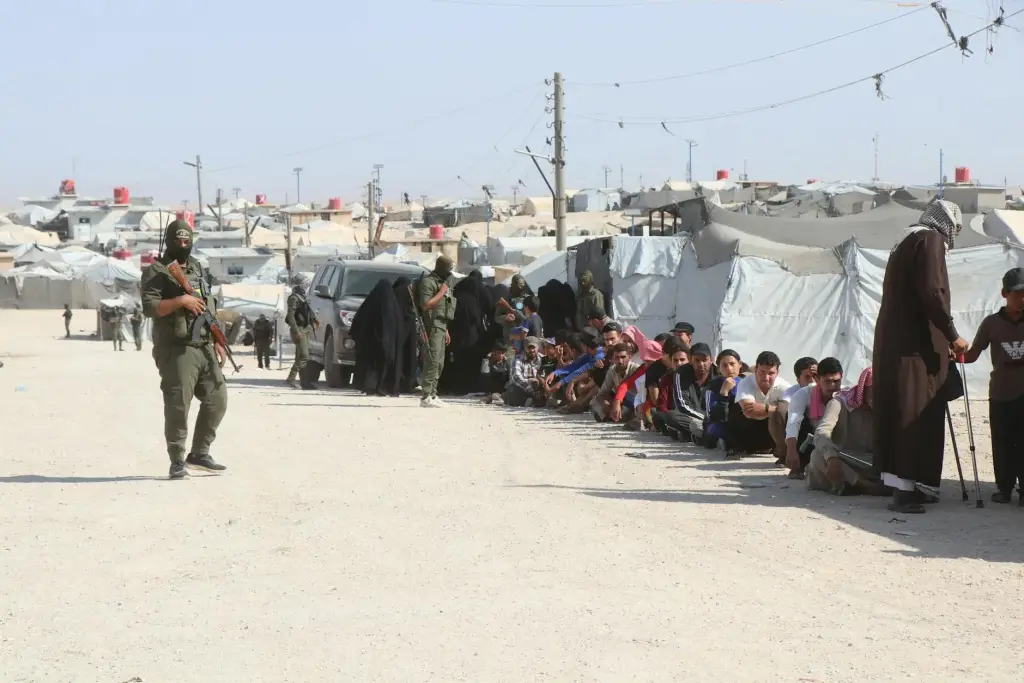
The Sudan humanitarian crisis 2026 has reached catastrophic proportions as the conflict approaches its fourth year, with 33.7 million people requiring humanitarian assistance and 11.5 million forcibly displaced. According to the World Health Organization, Sudan remains locked in the world's worst humanitarian catastrophe, creating a health emergency of staggering dimensions that continues to deepen with each passing month.
The Sudan humanitarian crisis 2026 represents the largest displacement crisis globally, with an estimated 7.2 million people newly displaced internally and over 4.2 million refugees, asylum seekers, and returnees who have crossed Sudan's borders into neighboring countries. As reported by UNHCR, thousands of people continue to flee across borders each week, often arriving in already vulnerable yet generous regions where public services and economic opportunities were limited even before the crisis began.
Health System Collapse and Food Insecurity
The health crisis accompanying the Sudan humanitarian crisis 2026 is devastating. According to WHO, over 20 million people require health assistance, with 6.6 million primarily targeted for health support. More than one-third of health facilities remain non-functional, depriving millions of essential and lifesaving health services. Since the conflict began in April 2023, WHO has verified 201 attacks on health care, resulting in 1,858 deaths and 490 injuries.
Hunger and acute food insecurity have spread throughout the ongoing lean season. According to the World Health Organization, more than 21.2 million people are experiencing acute food insecurity, with some areas including El Fasher in North Darfur and Kadugli in South Kordofan facing IPC Phase 5 conditions, the highest level of food emergency. The latest nutrition survey in Um Baru recorded a Global Acute Malnutrition rate of 53%, of which 35% were classified as Severe Acute Malnutrition.
"One thousand days of conflict in Sudan have driven the health system to the brink of collapse," said WHO Representative in Sudan, Dr. Shible Sahbani. "Under the strain of disease, hunger and a lack of access to basic services, people face a devastating situation." According to WHO, disease outbreaks are spreading across all 18 states, with cholera reported nationwide, dengue in 14 states, and malaria in 16 states.
Regional Impact and Refugee Response
The Sudan humanitarian crisis 2026 extends far beyond Sudan's borders, creating severe strain on neighboring countries. According to UNHCR, Egypt currently hosts 1.4 million Sudanese refugees, with registered refugee figures nearly quadrupling since 2023. In eastern Chad, more than 71,000 refugee families have not received housing assistance, leaving them without safe and adequate shelter. Nearly 234,000 people are awaiting relocation, living in precarious conditions at the border.
UNHCR and 123 partners have launched a $1.6 billion appeal to support 5.9 million people across seven neighboring countries through the 2026 Sudan Regional Refugee Response Plan. According to Mamadou Dian Balde, UNHCR's Regional Director for Eastern and Southern Africa, "Sudan remains the world's largest displacement and worst humanitarian crisis, unfolding in the wake of the most severe global funding crunch in decades."
The funding situation is dire. As reported by UNHCR, severe funding cuts have forced the closure of two of three registration centers in Egypt, affecting people's access to critical protection services. Available funding per refugee per month has dropped from $11 in 2022 to just $4 in 2025. In Uganda, clinic closures and the suspension of critical nutrition programs in Kiryandongo settlement put thousands of Sudanese refugees at heightened risk of diseases.
Diplomatic Efforts and Peace Prospects
International efforts to address the Sudan humanitarian crisis 2026 have intensified. According to the International Institute for Strategic Studies, the Quad comprising Egypt, Saudi Arabia, the UAE, and the United States has been advancing a peace roadmap that calls for an initial three-month humanitarian truce followed by a permanent ceasefire. The United States convened a donor meeting on February 5, 2026, aimed at mobilizing $1.5 billion to respond to Sudan's urgent humanitarian needs.
However, diplomatic progress remains challenging. As reported by IISS, hopes for a humanitarian truce by the start of Ramadan were dashed, and previous peace attempts have been frustrated by the complex geopolitical dynamics involved. Three out of four Quad members support one side or the other in the conflict, creating contradictions that have made peace efforts erratic.
The African Union Peace and Security Council has welcomed the establishment of the Quintet, comprising the AU, UN, EU, and the League of Arab States, to enhance coordination of mediation efforts. According to Amani Africa, Germany and the United Kingdom are expected to convene an international conference on Sudan in Berlin in April 2026 to mobilize additional international support.
Human Rights Violations and Protection Concerns
The Sudan humanitarian crisis 2026 involves severe human rights violations. According to PBS NewsHour, the United Nations has accused the paramilitary Rapid Support Forces of committing widespread atrocities that amount to war crimes and possible crimes against humanity. A UN report found more than 6,000 people were killed in just the first three days of the RSF offensive in El Fasher in Sudan's Northwestern Darfur region.
Sexual violence remains pervasive throughout the conflict zones. According to WHO, insecurity has identified 671 attacks on Sudan's health care system since fighting started, with at least 173 health workers killed and 83 arrested between April 2023 and December 2025. Many health facilities have been destroyed, looted, or are functioning with severe shortages of staff, medicines, vaccines, equipment, and supplies.
For more information on global humanitarian issues, read our article on women's rights and equality. You can also explore our coverage of climate emergency impacts that compound humanitarian crises worldwide.
Sources: World Health Organization Sudan Analysis, UN News Sudan Appeal, UNHCR Refugee Briefing
Comments 0
No comments yet. Be the first to share your thoughts!
Leave a comment
Share your thoughts. Your email will not be published.