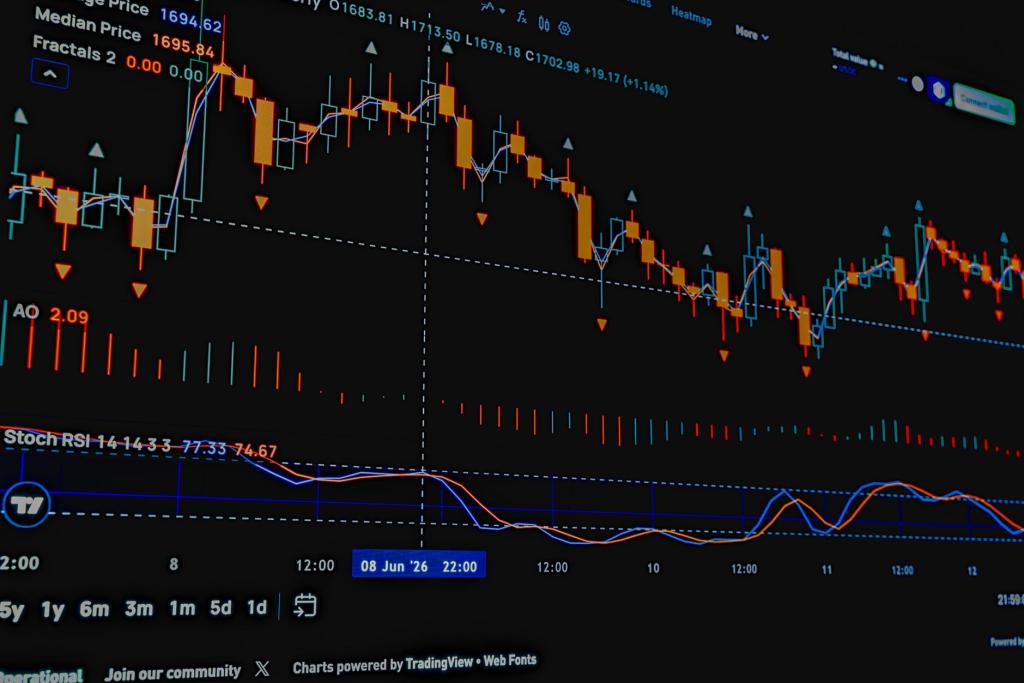
The headline number looked good this week. The benchmark index gained 1.2% to close at 7,744.64, leaving the index up 13.1% for the year and just 0.7% below its August 13 record close, according to Seeking Alpha. The Nasdaq rose 2.1% and the Dow added 0.3%, snapping a three-week losing streak, according to Investopedia.
The bond market told a different story. The 10-year Treasury yield climbed to its highest level since 2007, and the 30-year briefly touched 5.53%, the highest since 2004. Bond yields are the return investors demand for lending money to the government, and this week bond yields spiked because traders expect the Federal Reserve to keep raising interest rates.
The Fed just started hiking again
The jump in bond yields traces back to the central bank. On September 16, the Federal Open Market Committee voted unanimously, 12 to 0, to raise its target range to 3.75% to 4.00%. It was the first rate increase since July 2023, ending a three-year stretch in which the Fed only held or cut. Chair Kevin Warsh said after the decision that inflation has been too high for too long.
More hikes, and possibly higher bond yields, are on the table. Most officials expect at least one more increase before the end of the year. Fed Governor Michael Barr went further on September 23, saying in prepared remarks that further rate hikes will likely be needed, Reuters reported. The next decision comes at the October 27-28 meeting.
Higher bond yields are already bleeding into real life. The average rate on a fixed mortgage hit 7.12%, a more than two-year high, the Mortgage Bankers Association said. Credit cards, car loans, and buy-now-pay-later balances all tend to get pricier when the Fed pushes rates up, which is why this cycle matters to people who do not own a single stock.
The market is splitting in two
Look past the index records and the picture gets weaker. The equal-weighted version of the S&P 500, which treats every company the same instead of letting the biggest ones dominate, fell 1.0% on the week, trailing the headline index by more than two percentage points. The Russell 2000 small-cap index finished lower. One breadth measure, NYSE new 52-week highs minus new lows, fell to negative 408 on September 24, the weakest reading since October 2023 outside the brief Liberation Day selloff.
Mega-cap tech did almost all the heavy lifting. Meta jumped about 13% on the week, approaching a $2 trillion market value after its Connect developer conference. The Roundhill Magnificent Seven ETF rose 0.8% on Thursday afternoon even as the broader market sagged. Akamai shares gained 3% after Anthropic committed to paying it at least $11.6 billion over seven years for cloud infrastructure and software.
Professional investors are changing their biggest worry. In the Bank of America fund manager survey, the most-cited tail risk is now a disorderly rise in bond yields, overtaking the artificial intelligence bubble that topped the list before. That shift happened before the benchmark yield even broke through 5%.
What higher yields mean for a first portfolio
For most of their adult lives, young investors have lived in a world where bonds paid almost nothing, so stocks were the only game in town. With bond yields this high, that changes. A Treasury bond now pays a meaningful, guaranteed return, which forces investors to ask whether a risky stock is really worth it when safe bond yields pay this well. That question hits hardest at unprofitable growth stocks and speculative names, which is one reason small caps lagged while profitable mega-caps held up.
It also changes what diversification means. An index fund tracking the benchmark looks like 500 stocks, but a handful of tech giants drive most of its movement, which is exactly what this week showed. Investors who want the market to behave like the market, not like a tech fund, can look at equal-weight funds or broader baskets, though every approach has its own trade-offs and costs.
The more useful takeaway is about debt. Rising bond yields raise the cost of borrowing everywhere. Paying down high-interest balances before chasing market returns is usually the better move when rates are climbing. Savings accounts get a lift too, since banks tend to pass higher rates through to savers, even if they do it slowly.
The week ended with gold near $4,347 an ounce and bitcoin around $84,900, signs that some money is looking for shelter. Oil slipped 2% to $92.75 a barrel after Reuters reported the U.S. and Iran discussed reopening the Strait of Hormuz. Stocks are near records, bond yields sit at 20-year highs, and the Fed is not done. The next decision lands at the end of October.
Comments 0
No comments yet. Be the first to share your thoughts!
Leave a comment
Share your thoughts. Your email will not be published.