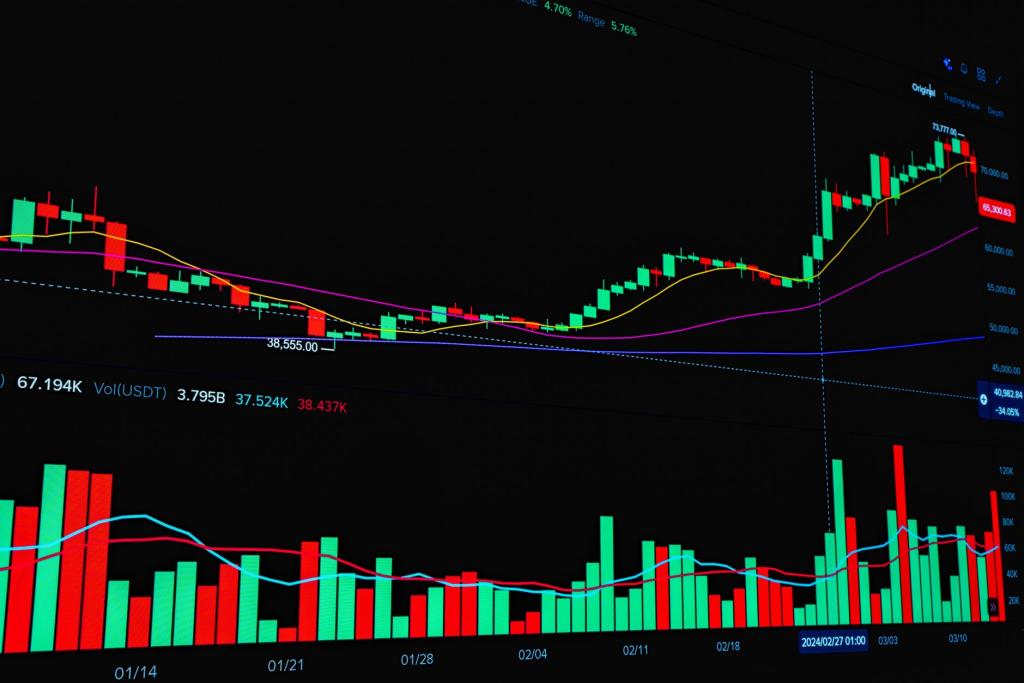
The magnificent seven stocks are back at an all-time high. After months of drifting sideways or lower, the group of megacap tech names finally pushed past the record it set in May, according to The Motley Fool's market coverage published Saturday.
The Roundhill Magnificent Seven ETF, which tracks the group with equal weights, closed last week above its May 2026 high. The fund stood at about $72.20 when it broke through and was recently trading near $72.64, per the same report. For investors who own the magnificent seven stocks directly, the rebound has been uneven, with a few names doing most of the work.
Nvidia is up about 21% so far this year and Apple has gained 24%. Meta Platforms is up about 13%, roughly matching the S&P 500, which itself is up 13.1% in 2026. Amazon and Alphabet have each climbed a more modest 8%, while Microsoft is up about 3.5%. The spread shows how concentration has returned to the market's biggest drivers after a cooler stretch that ran from late 2025 into this summer.
Tesla is the lone loser of the group
Tesla is the only stock among the magnificent seven stocks that is down for the year. Shares have fallen more than 15% in 2026, the Motley Fool reported, after peaking around $499 last December. The stock recently changed hands near $372.11, roughly 24% below that peak, as Tesla faces intense competition from Chinese EV makers.
The split matters because the magnificent seven stocks were sold for years as a package deal. From the time a Bank of America analyst coined the nickname in 2023 through October 2025, the group moved mostly together and pulled the broader market upward. That pattern broke down this year, which means an investor buying the theme in 2026 would have owned a drag like Tesla alongside winners like Apple.
The real winners this year are not who you expect
Even the strongest of the magnificent seven stocks have been outrun by lesser-known chip names. Micron Technology, Advanced Micro Devices, and Intel are each up more than 180% this year, according to the Motley Fool's analysis. Memory storage makers have done even better: Seagate Technology is up 233% and Sandisk is up 665%, driven by a global shortage of memory chips.
That gap is a reminder of how narrow tech leadership can be. The magnificent seven stocks dominate headlines and index weights, but the biggest percentage gains of 2026 have come further down the supply chain, in the parts and memory that power the AI boom rather than the brand-name companies at the top of it.
What it means for young investors
Many Gen Z investors own these companies through fractional shares or index funds, so a record for the group tends to show up in their portfolios whether they picked the stocks or not. The S&P 500 is within a fraction of a percent of its own all-time high, which means broad market funds have been riding the same rebound. Friday's close of 7,743.41 put the index up 0.5% on the day and 1.2% on the week, according to Barchart's recap of Friday's session.
The backdrop is worth noting. The 10-year Treasury yield finished the week near 5.18%, its highest level since 2007, which means bonds now pay roughly the same yield as the stock market's earnings imply. When safe government debt pays as much as risky equities appear to earn, stocks historically have a harder time justifying high valuations. That does not mean the rally ends here, but it does mean the magnificent seven stocks are climbing while the math around them is getting tougher.
For anyone who started investing during the post-2023 AI boom, this moment looks familiar: big tech carrying the market higher. The difference this time is that the group is less uniform, the competition underneath it is louder, and the cheap money that helped inflate valuations in earlier cycles is gone. Paying attention to which names are actually leading, rather than treating the seven as one trade, is the lesson this year's action has been teaching all along.
Comments 0
No comments yet. Be the first to share your thoughts!
Leave a comment
Share your thoughts. Your email will not be published.