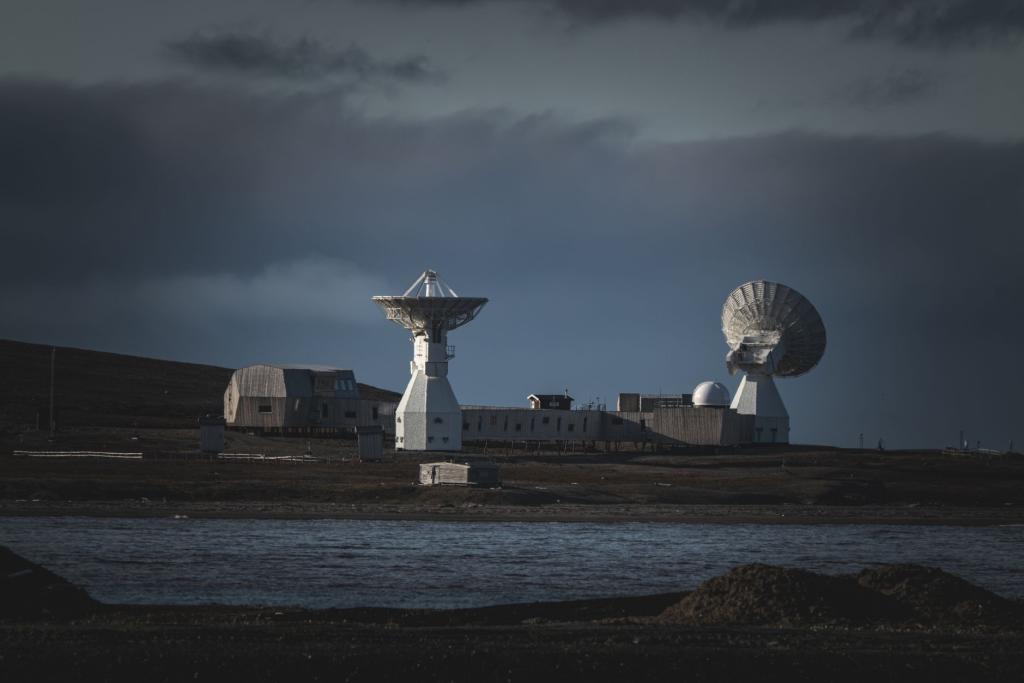
The Starlink station fire in Poland just turned into a full-on spy story. Polish officials say two Turkish citizens were detained in Germany over the blaze, and Warsaw is pointing straight at Moscow. According to The Associated Press, Poland blames Russia for an arson attack on a Starlink satellite station in September.
The fire happened on September twenty-third in Wola Krobowska, about forty kilometers south of Warsaw. A month later, the arrests have turned what looked like a nasty industrial accident into a test of how Europe handles hybrid warfare.
What Poland says happened
The suspects were arrested in Germany, Polish officials said on Monday, and their names were withheld in line with Polish privacy rules. They are accused of deliberately setting fire to the Starlink infrastructure. Interior Minister Marcin Kierwinski said the two men would face charges in Poland of carrying out sabotage on the instructions of a foreign intelligence agency, as reported by Al Jazeera.
Prime Minister Donald Tusk posted on X that German police detained two Turkish citizens on behalf of Polish services. He called it "another act of hybrid warfare" and promised the perpetrators would answer before the Polish justice system.
Why Starlink is such a juicy target
The blaze engulfed the station's power system and backup generator. Polish officials said at the time they believed the fire was aimed at disrupting internet services, including for Ukraine's military. Starlink has become a crucial tool for Ukrainian forces since Russia's full-scale invasion, which makes ground infrastructure in neighboring countries a tempting pressure point.
Think of it like knocking out a server farm instead of attacking the app itself. You do not need a missile to cause trouble when a lighter and a plan can take a power system offline. That is the logic behind many hybrid attacks.
Russia, the underworld and hired hands
Tomasz Siemoniak, Poland's minister overseeing the intelligence services, did not hedge. "We have no doubt that Russian intelligence services are behind this act of sabotage," he said in a news release, according to the AP. He added that Russian services are increasingly turning to people with ties to the criminal underworld.
That detail matters. Instead of sending trained agents who can be traced back to a government, the pattern described by Warsaw relies on outsiders who can be recruited for a single job. It gives Moscow distance and gives investigators a harder trail to follow.
The case keeps growing
The story did not stop with two arrests. Reporting by The Moscow Times, citing Polish broadcaster RMF FM and anonymous sources, says German police have detained two more people, bringing the total to four. RMF FM reported that one was a woman detained in Berlin, and The Local in Germany said she may have acted as a driver and helped with logistics.
The role of the fourth suspect, a man, is still under investigation. Prosecutors will assess how involved the woman was and whether to seek her extradition. Those details come from anonymous sources, so treat them as developing rather than confirmed.
Poland has requested the extradition of the first two suspects, and German police in Baden-Wurttemberg said they were detained near Stuttgart at Poland's request. The case shows how closely German and Polish investigators are working together.
Zoom out and the Starlink station fire fits a pattern European officials keep describing: low-cost sabotage, deniable hired hands and targets that quietly support Ukraine. Because the damage is physical but small, it rarely triggers the kind of response a missile strike would. That gap is exactly what investigators say hostile intelligence services try to exploit, and it is why the quick arrests across the border are being watched so closely by security officials in several capitals.
What to watch next
The big questions are simple. Will the suspects be handed over to Poland, and what will evidence in court say about who paid them? Any link to Russian intelligence that survives a courtroom would raise pressure on European governments to respond.
It also lands in a week full of Black Sea and energy tensions, and Europe is already on edge about sabotage. For more global coverage, check out our war and conflict section. This story is still moving, and the next few days of court filings and statements will show how far the trail really goes.
Comments 0
No comments yet. Be the first to share your thoughts!
Leave a comment
Share your thoughts. Your email will not be published.