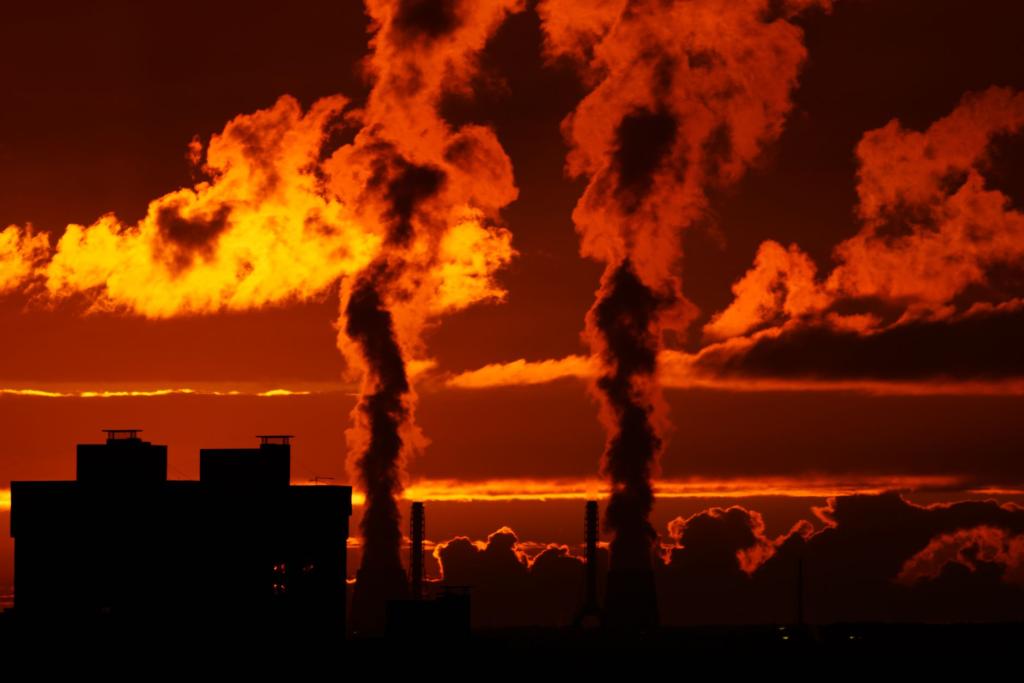
The St Petersburg drone attack on Sunday turned into one of the biggest aerial strikes of the whole war, with Ukraine sending more than one thousand drones across Russia in a single night. An oil export terminal and a nearby depot went up in flames in Russia's second-biggest city, and the timing could hardly be more awkward for Kyiv's relationship with Washington.
What actually got hit
According to CBC News, citing The Associated Press, Ukrainian strikes set the Petersburg Oil Terminal and the city's Ruchi oil depot ablaze. Local governor Alexander Beglov said one person was killed and five were wounded. Fires also broke out at industrial warehouses in the Kolpino district, and several residential buildings reportedly picked up structural damage.
It was not only fuel infrastructure. Russian retailer Ozon confirmed a major fire at a logistics hub, forcing an evacuation. VK, the country's biggest homegrown social platform, said one of its data centres was struck, though it insisted services stayed up. Users still reported outages across VK's apps, according to the Kyiv Independent.
The same outlet reported that a cable-stayed bridge, part of a road link between the northern and southern halves of the city, was also damaged. How bad that damage is remains unclear.
The numbers behind the barrage
Russia's defence ministry said its forces shot down one thousand and fifteen Ukrainian drones between Saturday evening and Sunday morning. Those drones came in over fifteen regions, plus Crimea and the Black Sea. Officials in the Leningrad region said one hundred and twenty-seven were downed over their territory alone.
Think about that scale for a second. Ukraine's early drone raids used to be dozens at a time. A wave above one thousand shows how much cheap, homegrown drone production has ramped up, and it means air defences get stretched thin even when most of the drones are intercepted. Russian aviation authorities also temporarily restricted flights around the city.
Trump is not thrilled
Here is the spicy part. The strike landed while President Donald Trump is publicly criticising Kyiv for hitting Russian oil infrastructure. The Independent reports that Trump called renewed strikes on Russian refineries a disgrace, and that he has also criticised Ukrainian President Volodymyr Zelensky.
Kyiv sees it differently. Ukrainian officials say Russia has violated Trump's so-called energy ceasefire dozens of times and left tens of thousands of people without power, according to AFP. In other words, Ukraine argues the truce is already dead, and it is hitting back where it hurts Moscow's finances.
Why oil is the target
Oil exports are a huge chunk of Russia's budget, so terminals and depots are a pressure point. Knocking one out, even for a few days, can dent export loads and force domestic fuel shuffling. For Ukraine, which cannot match Russia's missile stockpile, going after the economy is the long game.
There is a global angle too. Energy prices are already a political headache in the United States, where inflation has been running hot, so any attack on a major oil export hub gets watched closely by markets and by voters ahead of next month's midterms.
What to watch next
The big question is whether Washington turns its irritation into action. The prospect of further American sanctions on Moscow is still uncertain, and the Independent notes the United States has resumed intelligence sharing with Ukraine, which suggests the relationship is more complicated than the angry headlines imply.
Also worth tracking is how quickly the terminal comes back online, and whether Russia answers with another heavy wave on Ukrainian cities and power plants. Zaporizhzhia was hit by a Russian airstrike on Saturday, so the exchange is clearly still running both ways.
For anyone following the bigger picture, this is a reminder that the war is increasingly about infrastructure and endurance rather than territory. Check our war coverage for more as the story develops, because the next few days will show whether this raid changes the diplomacy or just the fuel supply.
Comments 0
No comments yet. Be the first to share your thoughts!
Leave a comment
Share your thoughts. Your email will not be published.