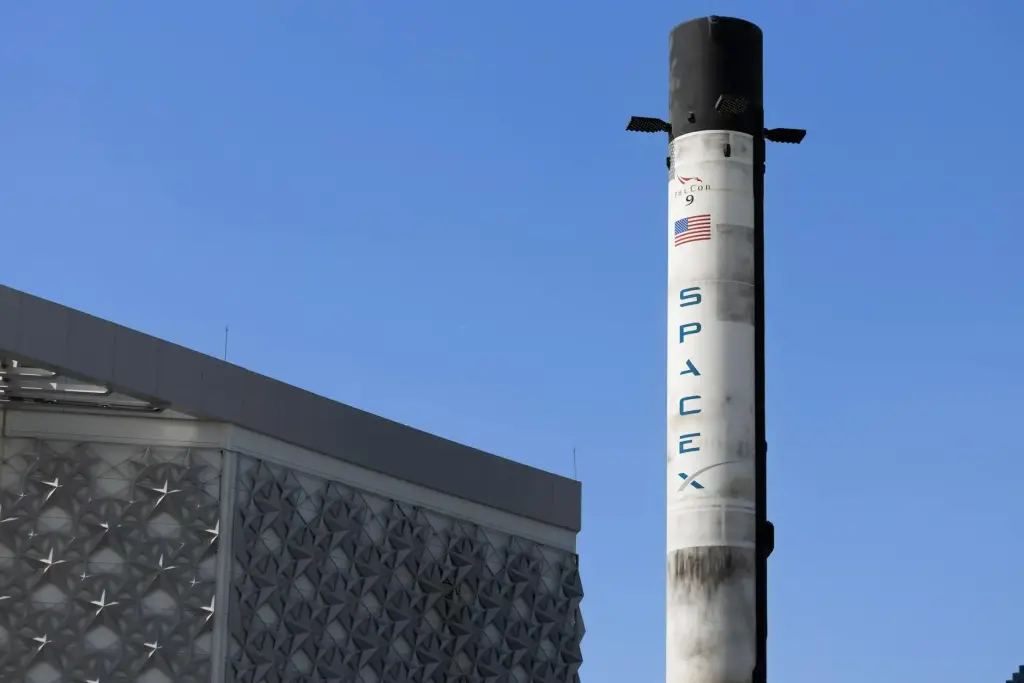
SpaceX Starship program is entering a pivotal year in 2026, with the most advanced version of the massive rocket yet preparing for its first orbital flight. According to Reuters, the Starship V3 represents a complete redesign featuring hundreds of upgrades that could fundamentally change how humanity explores the solar system. The new version boasts a payload capacity exceeding 100 tons to Low Earth Orbit, making it the most capable heavy-lift rocket ever built. This development comes as Elon Musk has shifted his ambitious space timeline from Mars to the Moon, announcing plans to build a self-expanding city on the lunar surface within the next decade. The shift represents a significant strategic pivot for SpaceX, which previously focused almost exclusively on reaching Mars as its primary goal. Read more from Reuters about Starship.
Starship V3: The Most Powerful Version Yet
The Starship V3 prototype known as Ship 39 recently completed cryoproof testing at SpaceX Starbase facility in Texas, validating its redesigned propellant system and enhanced structural strength. According to Space.com, engineers tested the vehicle cryogenic operations across several days, with SpaceX officially confirming that Ship 39 cryoproof operations were complete. This marks the first campaign with a next-generation Starship V3, representing a massive leap forward from previous iterations. The V3 features higher-thrust Raptor V3 engines and an expanded structure that allows for significantly more cargo capacity than earlier versions. The spacecraft successfully passed squeeze tests that simulate the forces it will experience during future catches by the company robotic Mechazilla arms, a critical technology for achieving rapid reusability that is essential to SpaceX economic model.
Musk has expressed high confidence that this new design will achieve full reusability, a critical milestone for making space access economically viable for routine missions. The ability to rapidly launch, land, and relaunch Starship multiple times in a single day represents a fundamental paradigm shift in how we access space. Previous rockets were expendable, single-use vehicles that were discarded after each launch, making space travel prohibitively expensive for all but the most funded government programs. With fully reusable Starship, SpaceX aims to reduce launch costs by orders of magnitude, potentially opening up space to commercial applications, tourism, and scientific research in ways previously unimaginable.
NASA Partnership and Artemis Moon Missions
NASA is closely watching the Starship V3 development as the rocket plays a central role in the agency Artemis program to return humans to the Moon. A lunar lander version of Starship will facilitate crewed landings on the lunar surface as part of NASA Human Landing System program. According to Reuters space reporting, SpaceX Starship has accumulated at least two years of development delays since NASA picked the rocket as an astronaut moon lander in 2021. The critical hurdle remains in-space refueling, a complex process involving multiple Starship launches to transfer cryogenic propellants in orbit before the lunar descent. This technical challenge requires precise coordination between multiple spacecraft operating in the vacuum of space, something that has never been attempted at this scale before. NASA inspector general has warned that cryogenic fuel transfer technology remains a significant technical barrier, raising concerns about readiness for the planned 2028 moon landing timeline.
Despite these challenges, SpaceX continues to push forward with aggressive testing schedules. The first Starship V3 launch is now expected around April 2026, following multiple delays from earlier estimates. This timeline puts significant pressure on the company to demonstrate orbital refueling capabilities within the year. NASA is considering accelerating its lunar lander development to support upcoming moon missions, with Artemis 3 now scheduled to achieve lunar landings in 2028. The space agency has also begun considering other lunar lander options due to delays, though SpaceX asserts it is progressing rapidly and will help return the United States to the Moon. More tech news from Reuters.
From Mars Dreams to Moon Ambitions
In a surprising shift, Elon Musk announced in February 2026 that SpaceX has fundamentally changed its space strategy, prioritizing the construction of a permanent city on the Moon in less than ten years. According to reporting by multiple news outlets, the Moon represents a more achievable goal compared to Mars, which he now estimates would take over twenty years to establish a self-sustaining colony. This pivot opens the door to an even closer partnership with NASA, with Musk eyeing future contracts for SpaceX own reusable Starship fleet that he envisions eventually traveling between Earth, the Moon, and Mars. The partnership with NASA accelerates the timeline considerably, allowing SpaceX to test technologies in real-world scenarios that would otherwise require decades of independent development.
The development of Starship includes significant adaptations for lunar environments, such as specialized low-gravity landing systems that utilize lunar materials to build additional structures. This approach reduces the massive amount of materials that would need to be transported from Earth, making the dream of a permanent lunar presence more economically feasible. Space biology research stands to benefit enormously from long-term experiments conducted on the Moon, with studies on the effects of reduced gravity on the human body providing crucial data that will inform future Martian missions.
For Gen Z watching these developments, the 2020s represent an unprecedented era of space exploration that could define the future of humanity multi-planetary existence. The Starship program represents not just a rocket, but a fundamental rethinking of what is possible in space travel, with each successful test bringing humanity closer to becoming a spacefaring civilization. Whether Starship ultimately achieves its goals of enabling regular lunar landings, powering missions to Mars, or even facilitating potential future missions to other planets, the developments unfolding in 2026 will be crucial in determining the trajectory of human space exploration for generations to come.
Comments 0
No comments yet. Be the first to share your thoughts!
Leave a comment
Share your thoughts. Your email will not be published.