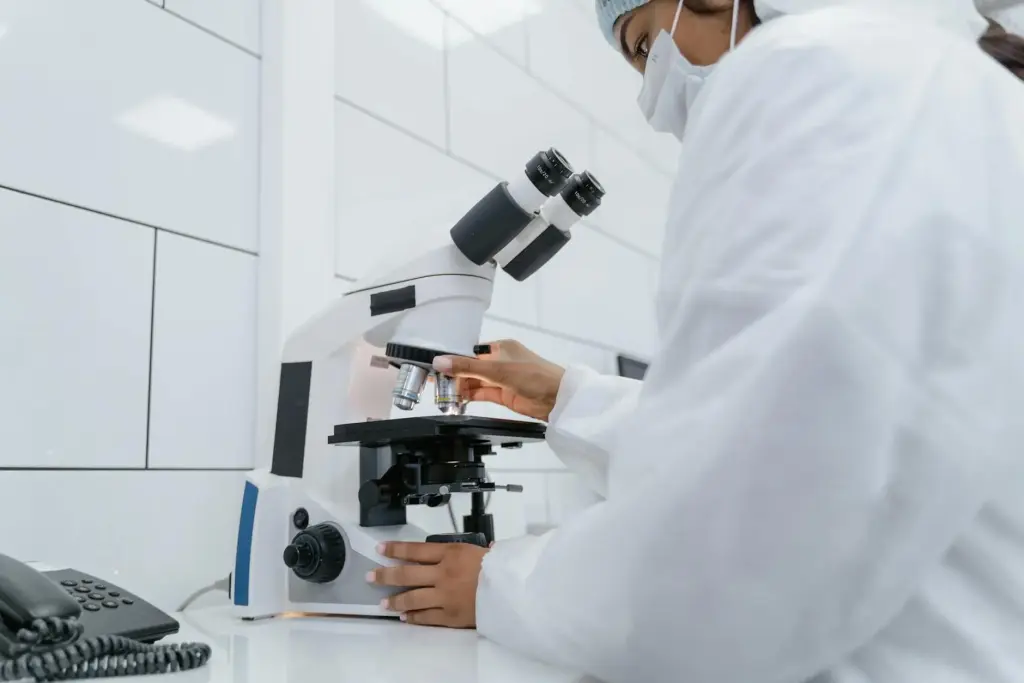
A Revolutionary Scientific Breakthrough
Scientists at the University of Edinburgh have achieved a remarkable breakthrough that bridges environmental sustainability and medical innovation. In a pioneering study published in Nature Sustainability, researchers have successfully engineered E. coli bacteria to transform polyethylene terephthalate (PET) plastic waste into L-DOPA, a frontline medication for treating Parkinson's disease. This revolutionary plastic waste Parkinson's drug conversion marks the first time a biological process has been developed to turn plastic waste into a therapeutic compound for neurological disorders.
According to the research team led by Professor Stephen Wallace, this innovative approach represents a significant advancement in both pharmaceutical manufacturing and waste management. Currently, approximately 50 million metric tons of PET plastic are produced annually worldwide, with much of it ending up in landfills or polluting our oceans. Traditional recycling methods for PET remain inefficient and often fail to fully repurpose this durable plastic material. The new biological upcycling method offers a sustainable alternative that addresses two critical global challenges simultaneously.
Professor Wallace, who works at the University's School of Biological Sciences, explained the intricate process in detail. First, the PET plastic is broken down into its chemical building blocks, specifically terephthalic acid. Then, the engineered E. coli bacteria transform these molecules into L-DOPA through a series of sophisticated biological reactions. The result is a pure, pharmaceutical-grade medication that meets all regulatory standards for treating Parkinson's patients. This plastic waste Parkinson's drug breakthrough demonstrates the incredible potential of synthetic biology.
Transforming Global Waste Into Medical Hope
Parkinson's disease affects over 10 million people globally, with the number expected to rise significantly as populations age. L-DOPA serves as the primary treatment for managing the disease's symptoms, helping patients maintain mobility and quality of life. The medication works by replenishing dopamine levels in the brain, addressing the neurotransmitter deficiency that causes Parkinson's characteristic tremors, stiffness, and movement difficulties. Beyond Parkinson's treatment, L-DOPA is also used for Restless Leg Syndrome and is available as an over-the-counter supplement.
The environmental implications of this plastic waste Parkinson's drug breakthrough extend far beyond simple waste reduction. Traditional pharmaceutical manufacturing relies heavily on finite fossil fuel resources, contributing to carbon emissions and environmental degradation. By contrast, this biological upcycling method utilizes waste materials that would otherwise contribute to pollution. The research demonstrates how carbon embedded in discarded plastic bottles can be reimagined as a valuable resource for improving human health.
As reported by Nature Sustainability journal, this research provides proof-of-concept that plastic waste can be converted into valuable pharmaceutical compounds. By engineering biology to transform plastic into an essential medicine, researchers show how waste materials can be reimagined as valuable resources that support human health. Professor Wallace's vision extends beyond this single application, suggesting that this technology could revolutionize how we approach both waste management and drug production.
The Carbon-Loop Sustainable Biomanufacturing Hub, where this research was conducted, has received 14 million pounds in funding from UK Research and Innovation to further develop these sustainable manufacturing techniques. According to Professor Charlotte Deane of UK Research and Innovation, this research demonstrates the enormous potential of engineering biology to tackle society's most pressing challenges. The hub aims to help transform UK manufacturing by converting industrial waste into valuable, sustainable chemicals and materials.
The research team has already demonstrated the production and isolation of L-DOPA at preparative scale, proving the method's viability for commercial application. Their next steps involve optimizing the process for industrial-scale production and conducting comprehensive assessments of its environmental and economic performance. If successful, this approach could transform pharmaceutical manufacturing while simultaneously addressing the global plastic crisis.
As detailed in the University of Edinburgh's official announcement, this plastic waste Parkinson's drug breakthrough represents a paradigm shift in how we view plastic waste. By converting discarded plastic into life-improving medication, the Edinburgh team has shown that waste materials can become catalysts for positive change. This approach highlights how carbon that would otherwise be lost to landfill or pollution can be turned into high value products that improve lives.
The implications of this discovery are far-reaching. With millions of plastic bottles discarded daily and the global demand for Parkinson's medication continuing to grow, this biological solution offers hope for both environmental sustainability and affordable healthcare. The engineered bacteria process could potentially be adapted to create other valuable compounds from waste materials, opening new avenues for circular economy principles in pharmaceutical manufacturing.
Comments 0
No comments yet. Be the first to share your thoughts!
Leave a comment
Share your thoughts. Your email will not be published.