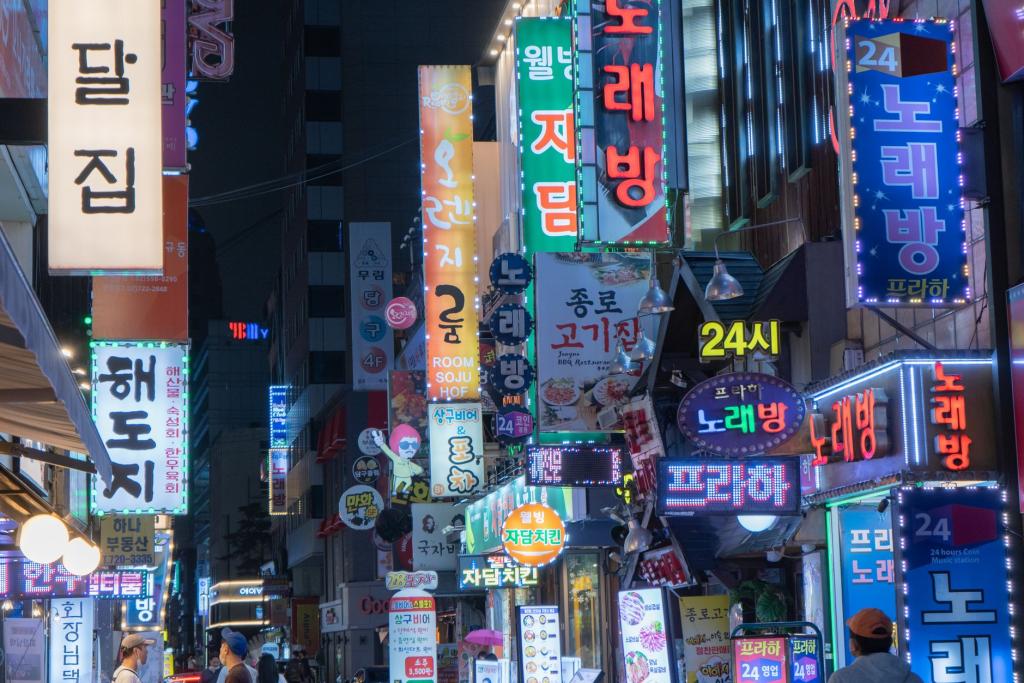
The South Korea tourism boom just posted numbers most destinations only dream about. Data released September 28 by the Ministry of Culture, Sports and Tourism shows the country welcomed 15.05 million foreign visitors in the first eight months of 2026, up 21.6 percent from the twelve point three eight million recorded in the same stretch of 2025, according to Aju Press.
August carried the surge. The month drew 2.25 million overseas visitors, up 23.3 percent from a year earlier, the highest monthly total in the country's history. It was the second straight monthly record after July's 2.09 million, and it pushed Korea past the fifteen-million mark about two months earlier than last year, when the milestone arrived in mid-October.
The numbers behind the South Korea tourism boom
The spending figures are even stronger than the headcounts. Foreign visitors put 14.02 trillion won on cards for tourism purchases through August, up 48.5 percent from 9.44 trillion won a year earlier, Aju Press reported. That is the highest total since South Korea began tracking the figure.
China remains the biggest source market with 4.82 million visitors, up 29 percent. Japan sent two point seven million, up 17.5 percent, while Taiwan contributed 1.66 million, up 32.2 percent, according to the Seoul Economic Daily.
What sets the South Korea tourism boom apart is that it is accelerating while regional rivals stall. Japan drew 27.63 million visitors through August, a two point seven percent drop from a year earlier. Thailand slipped 3.1 percent to 20.94 million. Vietnam rose 14.4 percent to 15.91 million, but Korea's pace left all three behind, Aju Press reported.
The Greater China market added depth beyond the mainland figures. Hong Kong sent four hundred ninety-six thousand visitors, up eighteen point one percent, while Macau added thirty-seven thousand ninety-four, up twenty-eight point three percent, according to India Outbound. August alone also set a spending pace, with foreigners spending one point nine three two one trillion won in the single month, the Seoul Economic Daily reported.
What is fueling the South Korea tourism boom
K-culture carries much of the credit. K-pop tours, Korean dramas, and the food scene keep drawing first-time visitors who plan return trips before they have even left. Policy played a part too: South Korea eased multiple-entry visa rules for eleven Southeast Asian countries starting March 30, and airlines have added seats on regional routes.
The boom is spreading past Seoul as well. Regional airports and seaports handled 27.8 percent of arrivals through August, the highest share on record. Regional airports alone processed 2.83 million visitors, up 38.2 percent, the Seoul Economic Daily reported. Southeast Asia posted some of the sharpest gains: the Philippines sent four hundred fifty-four thousand visitors, Vietnam four hundred seven thousand, Indonesia two hundred ninety-five thousand, Singapore two hundred forty-three thousand, and Thailand two hundred thirty thousand. Indonesia's 22.5 percent jump followed an 8.8 percent expansion in direct flight routes.
The regional race is tightening at the top, too. Japan reclaimed the top spot among one hundred ten economies in the World Economic Forum's 2026 Travel and Tourism Development Index, released last week, a sign that Northeast Asia's biggest destinations are now competing harder than ever for the same travelers.
For anyone planning to ride the South Korea tourism boom, the crowds are thickest in the capital, so flying into a regional gateway is worth a look. The wider travel picture is busy too: Gen Z travelers are reshaping fall trips through lore-tripping, and the Spirit Airlines shutdown is pushing holiday fares higher, so booking early matters more than usual.
Planning a trip during the South Korea tourism boom
The records did not arrive out of nowhere. The country logged ten point seven one million arrivals in the first half of the year, up twenty-one point three percent, and twelve point eight million through July, so the August record extended a run that had been building for months.
Travelers thinking about joining the South Korea tourism boom should plan around the crowds. Seoul absorbs the biggest share of visitors, which makes regional airports and smaller cities a calmer entry point now that the infrastructure is catching up. Beyond the capital, second cities and coastal areas are easier to reach than they used to be, with airlines adding seats and new direct routes across the region. Booking early is the simplest way to keep costs down as demand keeps climbing.
South Korea heads into the final months of 2026 with a comfortable lead over its regional rivals and a monthly record as the latest proof of momentum.
Sources: Aju Press, Seoul Economic Daily
Comments 0
No comments yet. Be the first to share your thoughts!
Leave a comment
Share your thoughts. Your email will not be published.