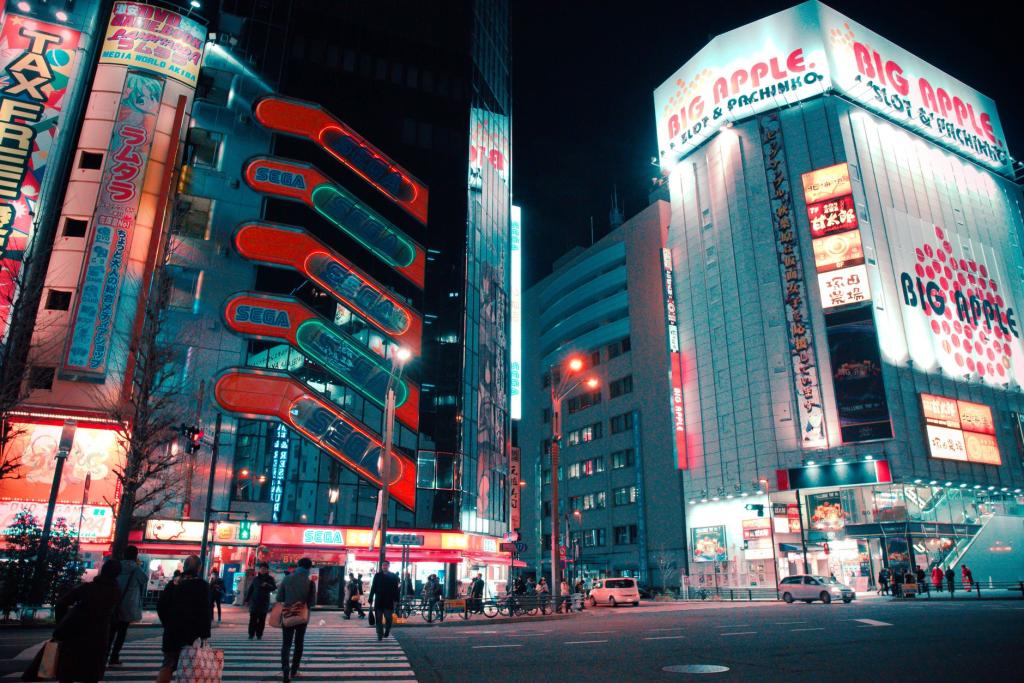
Japan's tourism story took a strange turn this August. According to preliminary figures released September 16 by the Japan National Tourism Organization, visitor arrivals fell 9.6 percent from a year earlier to 3,098,900 — a sharp comedown after July's all-time monthly record of 3.44 million. The headline culprit was China: arrivals from the mainland collapsed 59 percent to 418,000 after a Chinese government advisory urged citizens to avoid travel to Japan and airlines cut services. Yet beneath that dip, fourteen other source markets set all-time August records, including South Korea with 850,500 arrivals and Taiwan with 666,000. The destination Gen Z treats as a bucket list is simultaneously losing one visitor base, gaining another — and Japan tourism fees keep stacking up for everyone at the door.
Because while the crowds shift, the levies grow. The country is in the middle of its most aggressive tourist pricing regime ever, and the tab touches nearly every part of a trip: the flight, the hotel, the castles, even the mountain. For travelers planning a 2027 visit, the bill looks very different from the one Japan was offering back when its tourism boom felt like a bargain. A travel budget that worked two years ago needs a serious update.
The fee stack keeps growing
The biggest single surcharge is the one most visitors never notice: the departure tax, often called the "sayonara tax," tripled from ¥1,000 to ¥3,000 on July 1, 2026, baked into international tickets. Around the same time, visa fees quintupled after five decades without a change — a single-entry visa now costs ¥15,000 instead of ¥3,000, and multi-entry permits jumped to ¥30,000. Reported by Travel Tomorrow, the hikes are designed to fund tourism infrastructure and overtourism countermeasures rather than general coffers. Japan tourism fees are now embedded in nearly every booking step, starting with the airfare itself.
Sleeping there got pricier too. Kyoto's new tiered lodging tax took effect in March, ranging from just ¥200 a night for rooms under ¥6,000 all the way to ¥10,000 a night for stays costing ¥100,000 or more, according to Tokyo Cheapo's updated guide. The structure is deliberate: budget travelers are barely touched, while luxury guests pay the real money. Daytime sightseeing isn't spared either. Himeji Castle raised foreign-tourist admission from ¥1,000 to ¥2,500 — a move the city's mayor, Hideyasu Kiyomoto, defended to local media by saying "a wooden structure will be worn out and become more brittle after many people climb up and down," arguing locals shouldn't pay the same as "people who only come here once in around 10 years for sightseeing purposes."
Even nature has a cover charge now. Mt. Fuji's 2026 climbing season ran July 1 to September 10 with a mandatory ¥4,000 fee on all four trails, a 4,000-climber daily cap on the popular Yoshida route, and trail gates closed from 2 p.m. to 3 a.m. to stamp out overnight "bullet climbing," per a September analysis from Travel and Tour World. And the changes aren't over: from November 1, 2026, Japan's tax-free shopping system flips from instant in-store discounts to a pay-full-price, claim-the-refund-at-the-airport model, while an electronic travel authorization called JESTA is planned for visa-waiver visitors from 2028.
Why the paradox matters for your trip plans
For Gen Z travelers, Japan is practically a genre — anime pilgrimages, konbini taste tests, and "Japan travel TikTok" aesthetics have made it the quintessential big trip. The fee pile-up changes the math, but it also creates openings. The tiered lodging tax deliberately spares cheap beds, the Chinese visitor plunge means thinner crowds at classic spots this season, and officials are steering people toward regional rail passes and "beyond the Golden Route" destinations like Tohoku, Shikoku, and Hokkaido — the places the algorithm hasn't ruined yet, and often the cheapest to visit. Unlike the recent record arrivals in South Korea, Japan's growth is now managed with price signals rather than open doors.
The government insists the strategy is working. Ichiro Takahashi, commissioner of the Japan Tourism Agency, told a Tokyo briefing that the country's ambitious goals — 60 million visitors and ¥15 trillion in spending by 2030, set in the Cabinet-approved tourism plan of March 2026 — remain achievable: "It is a figure that we can very much achieve by making the right efforts. There are still many little-known places in Japan that are left unexplored by tourists from overseas — I believe Japan has infinite tourism resources." The plan also targets expanding overtourism-management regions from 47 to 100 by 2030.
Not everyone buys the crisis framing. Harriett Bougher, a business development manager at the tourism organization's overseas arm, told media at a Singapore travel event that "for the vast majority of Japan, over tourism is not an issue," arguing the crowding is concentrated in a handful of hotspots. Industry critics go further, noting Japan is actively chasing more visitors — a tension that makes the fee regime look, to skeptics, like revenue extraction dressed up as crowd control. And 2025's record — 42.68 million arrivals and ¥9.5 trillion in spending — suggests the machine was already running hot before any of the new levies landed.
The timeline tells the story in miniature: record year in 2025, tiered Kyoto lodging taxes and a doubled Himeji fee in March, tripled exit taxes and Fuji caps in July, a record July of 3.44 million arrivals, the China collapse in August, the JNTO data drop on September 16 — and the tax-free shopping overhaul arriving November 1. For anyone booking flights now, the practical takeaway is simple: Japan tourism fees reward budget-tier choices and punish luxury splurges, so plan for the new levies, book regional itineraries early, and don't count on the instant tax-free discounts that once made electronics and cosmetics hauls a sport.
Comments 0
No comments yet. Be the first to share your thoughts!
Leave a comment
Share your thoughts. Your email will not be published.