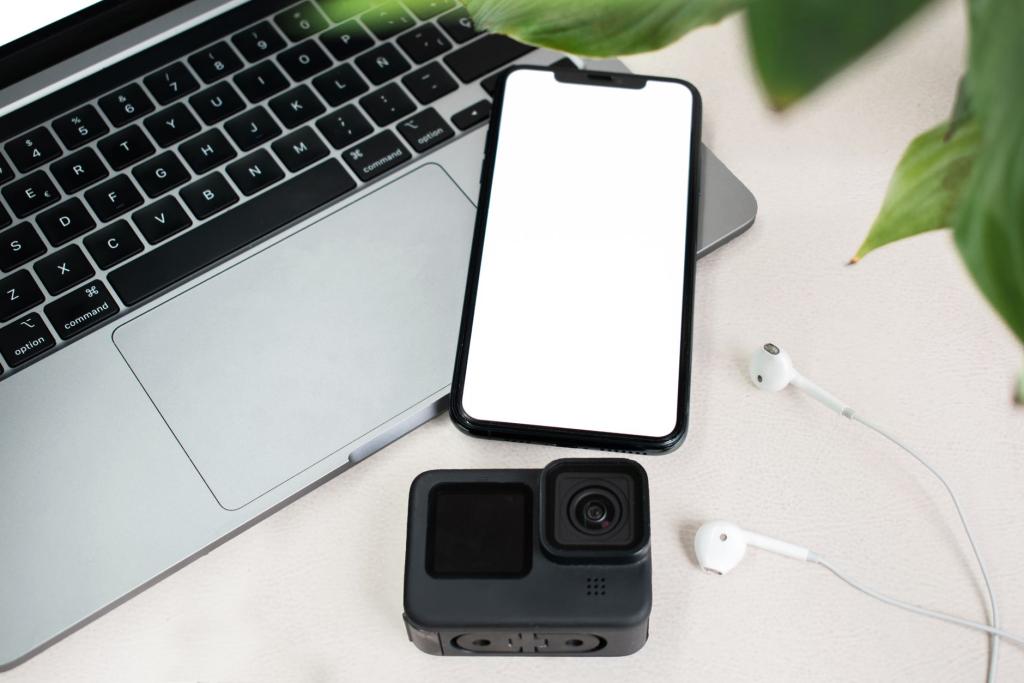
Apple On-Device AI is the headline pitch for a refreshed pro laptop and a new desktop unveiled on Tuesday, as the company pushes more artificial intelligence work onto the machine itself instead of sending it to the cloud. The launch, reported by Reuters, arrives a day before a showcase event in Los Angeles that is already fuelling speculation about a touch-screen laptop.
The smaller pro laptop leads the refresh. Apple says its new in-house chip delivers noticeably faster graphics than the previous generation, along with faster AI performance, while stretching battery life to a full day of use in the company's testing. For students, creators and professionals who edit video, run large models or juggle heavy browser workloads, that combination matters more than any single speed claim.
Pre-orders open on Wednesday in dozens of countries and regions, with availability following in early November. The laptop starts at just under two thousand dollars, while the desktop starts at about fifteen hundred dollars, placing both firmly in premium territory but in line with previous pro pricing.
What is actually new
The desktop gets the larger leap on paper for AI tasks, with Apple claiming several times faster on-device AI performance than the model it replaces. That kind of jump is aimed at people who run transcription, image generation and local assistants daily and want those jobs to finish without waiting on a network connection.
On-device processing also carries a privacy argument that Apple has leaned on for years. When a model runs locally, voice, photos and documents do not need to leave the machine to be processed, which can feel reassuring for work involving client files, health notes or unreleased creative projects. It can also keep tools working on a plane, in a dead zone or on a slow connection.
The timing is deliberate. The new machines land just ahead of the holiday buying season and a showcase that Bloomberg News reporting has linked to a first touch-screen pro laptop. Readers who were already waiting for that event now face a familiar dilemma: buy the refreshed machines announced this week, or wait a day to see whether a touch-enabled model changes the choice entirely.
Should you buy now or wait
For most buyers, the refreshed laptop is the safer immediate pick. It is a known design with a faster chip, longer battery life and a shipping date in early November, and it will handle the AI features Apple is promoting today. Waiting makes sense mainly for people who specifically want touch input, a redesigned display or a larger pro laptop, all of which remain unconfirmed until the showcase itself.
There is also a counterpoint worth weighing. Faster on-device AI is useful only if the software you actually use takes advantage of it. Video editors, developers and researchers will feel the difference sooner than someone whose heaviest daily task is email and streaming, and that buyer may get better value from a cheaper machine or from waiting for prices on the outgoing generation to fall.
Buyers should also weigh configuration choices before ordering, since memory and storage decisions are harder to change later than most other parts of a laptop purchase. A machine bought for occasional AI experiments can feel cramped quickly if it later becomes a daily editing or coding workstation, while a generously specified model bought for light use may never earn back its premium. Checking how long the seller supports the machine with software updates, and whether local repair options are available nearby, can matter as much as launch-day speed claims for a purchase meant to last several years.
The launch also fits a wider industry pattern. Chipmakers and device makers are racing to run AI locally, partly for speed and privacy and partly because cloud AI costs add up at scale. A laptop that can handle more of that work itself is less dependent on subscriptions and server capacity, even if it still leans on the cloud for the largest models.
For now, Apple On-Device AI is less a single feature than a direction of travel: machines that do more thinking where you sit, with less waiting and less data leaving your desk. Whether that is worth premium pricing depends on how much AI work you actually do, and on what tomorrow's showcase adds to the picture. Read our earlier look at the showcase and the touch-screen laptop rumours, and for a different take on wearable AI, see smartglasses turning everyday life into a game.
Comments 0
No comments yet. Be the first to share your thoughts!
Leave a comment
Share your thoughts. Your email will not be published.