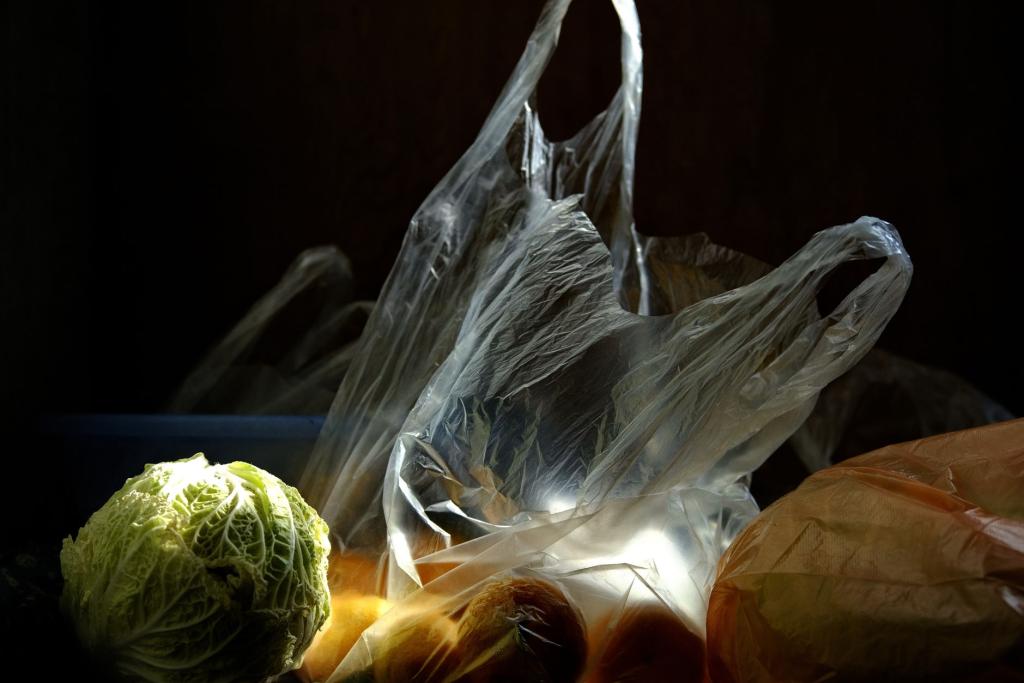
The single-use plastics ban that changed how Canadians get their straws, grocery bags and takeout containers is headed to the country's highest court. The Supreme Court of Canada announced on Thursday that it will hear an appeal of the single-use plastics ban, according to CBC News. That means the fight between Ottawa and the plastics industry is not over, and the final word could shape environmental policy in this country for years.
What the Supreme Court Just Agreed to Do
The top court said it will take on the case after the plastics industry asked for permission to appeal. The Federal Court of Appeal overturned a lower court decision in January, which allowed the federal government to keep the single-use plastics ban in place, according to The Canadian Press. Getting leave to appeal at the Supreme Court is never automatic, so the decision to hear the case signals that the justices see a question worth settling once and for all.
The reports reviewed for this story did not give a hearing date. Until the court rules, the existing rules on manufacturing and importing the targeted items stay as they are.
How We Got Here
The whole saga starts with a legal label. In 2021 the federal environment and health ministers added "plastic manufactured items" to the list of toxic substances under the Canadian Environmental Protection Act. That label gave Ottawa the legal footing to regulate plastics, according to Environmental Defence, a group that was granted intervenor status in both lower court cases.
Industry pushed back hard. A group representing Canadian plastics businesses, along with three chemical companies that make plastics, challenged the designation. In 2023 the Federal Court sided with industry and said Ottawa had overstepped by calling every plastic manufactured item toxic, partly because the government had not shown that all plastic items harm human health or the environment.
Then came the reversal. In January a three-judge panel at the Federal Court of Appeal ruled unanimously that the government's decision to list plastic manufactured items as toxic was reasonable. The judges said the lower court wrongly treated as one step what was really a two-step process: first designating plastics as toxic under the law, then regulating individual plastic items. The industry asked the Supreme Court for leave to appeal in March.
What the Ban Actually Covers
Ottawa used the toxic designation to ban the manufacture and import of six types of single-use plastics. According to the Canadian Press, those include straws, grocery bags, stir sticks and the six-pack rings used to hold cans of soda and beer. Le Devoir reports that cutlery and takeout food containers are on the list as well.
The government has said it picked these items because they are commonly found in litter and because known, accessible alternatives already exist. That is why paper straws and reusable totes became part of everyday life for a lot of young Canadians over the last few years.
The Argument Over What "Toxic" Means
The industry has argued that there are no tests to determine which plastics are harmful, which it says makes the broad designation unreasonable. The Federal Court of Appeal rejected that argument in January. Le Devoir reports the judges wrote, in effect, that an otter choking on a plastic straw does not care about the straw's chemical makeup, because the problem is the plastic item itself and not its composition.
That image captures why this case matters beyond the courtroom. The word "toxic" in the law is a legal tool, not just a lab result, and the Supreme Court will now decide how far Ottawa can stretch that tool when it wants to tackle pollution.
What Happens Next
Environmental groups are treating the move as a call to dig in rather than a defeat. In a statement, Environmental Defence's senior program manager for plastics, Karen Wirsig, said, "Big Plastic doesn't give up easily — but neither do we." The group said it will stand with the government as it defends the ban and urged Ottawa to keep eliminating unnecessary single-use plastics and to back reuse and refill systems in the meantime.
For anyone scrolling past this on a break, the takeaway is simple. The rules you see at the checkout counter are still in force, but their legal foundation is about to be tested at the highest level. A win for the government would lock in its power to regulate plastic as a category. A win for industry could force Ottawa back to the drawing board and send a chill through other environmental rules built on the same law.
Keep an eye on this one, because a ruling will land in the middle of a bigger national debate about climate, pollution and who gets to set the rules. More on how Canada is handling those fights is on our Canada page.
Comments 0
No comments yet. Be the first to share your thoughts!
Leave a comment
Share your thoughts. Your email will not be published.