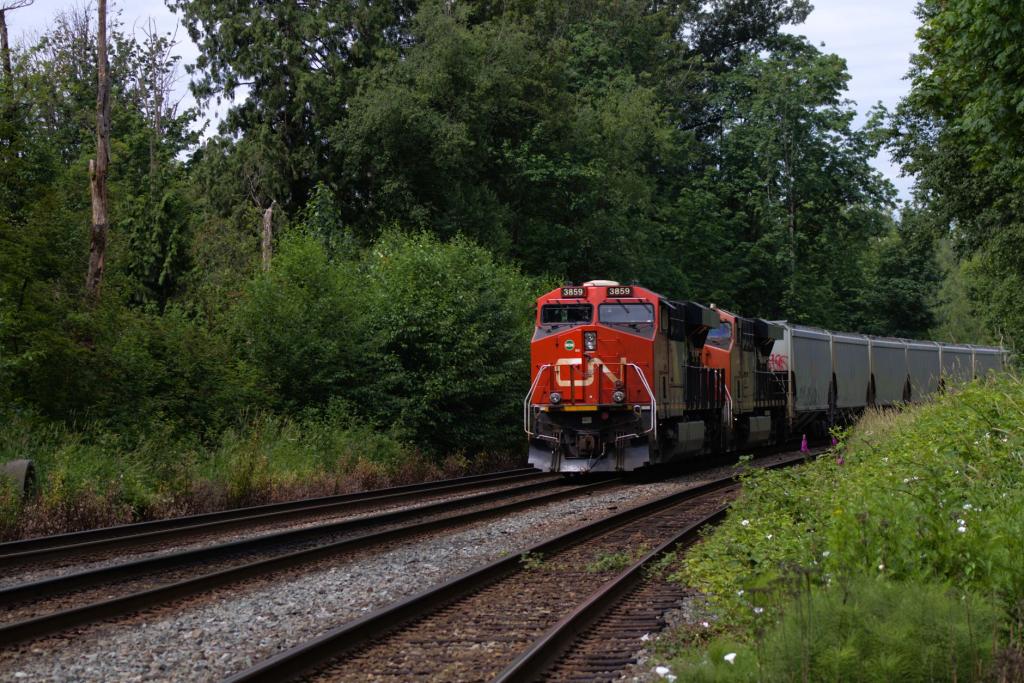
Wabtec has signed its biggest services contract in Africa. The Pittsburgh-based rail company announced on September 21 a long-term services agreement worth more than $700 million with La Compagnie du TransGuineen, the operator of the Simandou rail corridor, serving Guinea's vast Simandou iron ore project. Combined with locomotive orders the operator placed in 2024, the deal pushes Wabtec's total business on the Simandou project past $1.2 billion, according to the company's announcement.
The agreement covers CTG's fleet of new Evolution Series locomotives, which will haul ore along the more than 600-kilometer TransGuineen Railway from the Simandou mine to the Port of Morebaya on Guinea's Atlantic coast. For a project that has been decades in the making, the contract locks in the maintenance backbone the railway will need for years to come.
What the contract actually covers
This is not another locomotive sale. The services agreement is a multi-year package built around keeping the fleet running: scheduled and unscheduled maintenance, overhauls of parts and components, parts management, logistics support, crew training, and remote diagnostics. Wabtec said the work is customized to CTG's operations and long-term fleet strategy, with a strong emphasis on localization.
That local angle is worth noting. The announcement names workforce development, skills training, and partnerships with Guinean businesses as part of the program. For Guinea, which is trying to make sure one of the most significant infrastructure investments in its history pays off beyond the mining sector, the training and local-supplier commitments matter as much as the maintenance schedule itself.
Why Simandou is the deal of the decade in mining
Simandou holds one of the world's largest untapped reserves of high-grade iron ore, and the railway is the critical link that makes exporting it possible. Wabtec describes the project as representing a transformative opportunity for Guinea, and the numbers back up the language: the corridor is expected to move iron ore, passengers, and non-mining freight, making it a genuine piece of national infrastructure rather than a mine-only line.
The contract was signed in New York during a visit by a Guinean delegation to the United States for the 81st session of the United Nations General Assembly, as reported by Guinea-focused outlets covering the deal. The timing shows how much diplomatic weight the Simandou project carries for the country, well beyond a standard vendor announcement.
Simandou has cycled through false starts for decades, stalled by financing gaps, political disputes, and the sheer cost of building a railway through difficult terrain. The fact that the focus has shifted from negotiating the railway to contracting its long-term upkeep suggests the project has entered a different phase, one where operations matter more than groundbreakings.
A recurring-revenue play for Wabtec
For investors, the appeal is in the structure. Equipment sales are one-off; service contracts generate repeat revenue over many years. Analysts at Zacks noted the multi-year agreement should give Wabtec a significant source of recurring service income while deepening its relationship with CTG, and that the Simandou project opens a longer growth runway for the company across the region.
Sameer Gaur, Wabtec's president of global freight services, said the company plans to support reliable operation of the railway so the project can reach its full economic potential, while helping develop local capabilities through training and Guinean business partnerships. Wabtec shares closed at $283.38 on September 21, up about 1.1 percent, before the announcement landed after the market close, according to Yahoo Finance data cited in coverage of the deal.
What comes next
The real test will be execution. Heavy-haul iron ore railways are demanding operations: long trains, rough conditions, and constant pressure on availability. Wabtec has built its business on exactly this kind of work in the Americas, Australia, and elsewhere, but Simandou's scale makes it a different animal. The remote diagnostics and condition-based maintenance the contract promises will have to prove themselves on one of the most closely watched stretches of the Simandou rail corridor on the continent.
The broader takeaway reaches past one company. As demand for high-grade iron ore continues, driven by steel production for construction and the energy transition, Simandou's development is one of the biggest stories in global mining this decade. This contract makes Wabtec a central player in how that story plays out, and it lands in a year when big infrastructure money is moving worldwide, as seen in the BlackRock-backed bid for Stack Infrastructure's data centers. For more detail, the full announcement is on Wabtec's newsroom.
Comments 0
No comments yet. Be the first to share your thoughts!
Leave a comment
Share your thoughts. Your email will not be published.