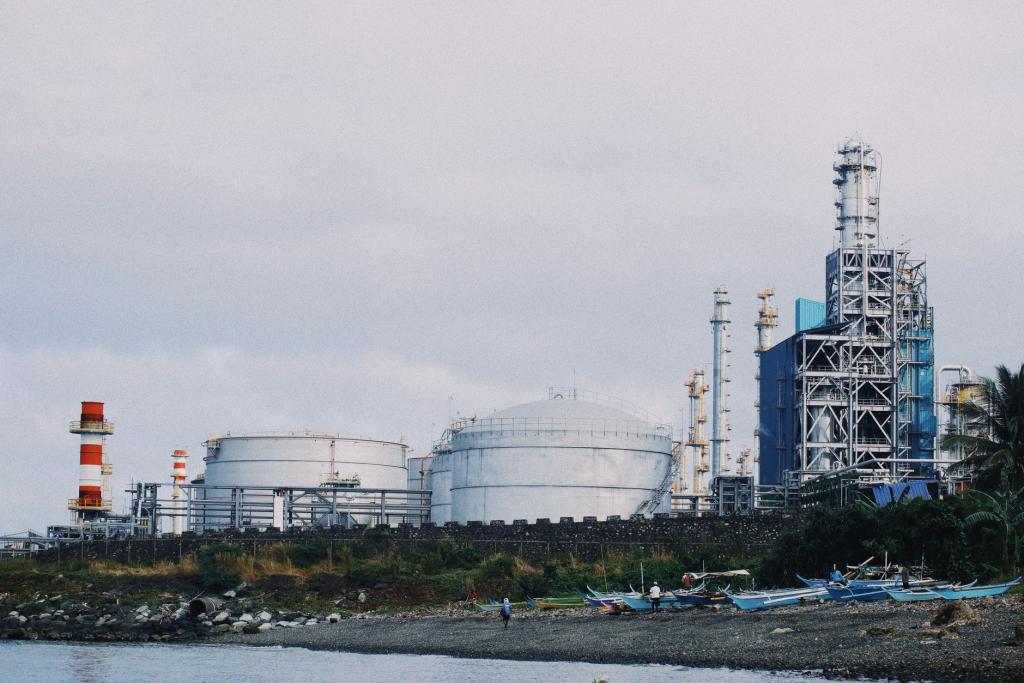
Ineos is pausing production at its three chemical plants in Hull, the company announced on Tuesday, blaming soaring UK gas prices that it says have made the facilities impossible to run profitably, according to Business Live. The shutdown at the Saltend Chemicals Park affects around 1,000 workers on the site.
The company said UK gas prices are now twelve times the level in the United States and eight times what producers pay in China, where coal-based processes set the industry benchmark. Gas is central to the Hull operation, used both to power the plants and as a raw ingredient in the chemical reactions themselves. At current prices, Ineos said, the plants cannot cover their costs.
The three facilities make acetic acid, acetic anhydride and ethyl acetate. Acetic acid goes into vinegar, paint, glue and textiles. Acetic anhydride is a key ingredient in aspirin and other pharmaceuticals. Ethyl acetate works as a solvent and is used to decaffeinate tea and coffee. Together, the chemicals feed into household cleaning products, packaging, plastics, cosmetics, detergents, construction materials and military explosives across the UK and Europe, according to the company. Two of the plants have already ceased production, and the third is due to stop within days.
What it means for workers in Humberside
About 240 of the staff at Saltend are directly employed by Ineos, with hundreds more working for contractors and other firms at the park. A company spokesman said there were no redundancies planned and that, because of the operational demands of keeping the site safe while it is idled, all Ineos employees would remain working through the process.
Ineos warned of a knock-on effect for a further 3,000 skilled jobs in Humberside, taking in the supply chain that serves the park. The BBC reported that the company will keep workers on while it tries to secure liquefied natural gas directly from the US at lower prices, a process that could take up to a year, or waits for the market to cool.
Ineos stressed the shutdown is a pause rather than a closure. With staff kept on and the plants maintained through the idling process, the company said the facilities could return to production if gas prices fall or its plan to import American liquefied natural gas directly comes through.
Sir Jim Ratcliffe, the billionaire founder and chairman, said people would find it hard to believe the company was being forced to mothball some of the most efficient plants in Europe. He blamed what he called a "ridiculously high" gas price for "destroying" the company's manufacturing base and the jobs of workers on Humberside, and described the government's energy policy as "economic vandalism on an industrial scale". The policy, he said, was exporting jobs to the United States and China while driving up global carbon dioxide emissions, since replacement chemicals imported from those countries carry a far heavier environmental burden.
Why gas prices have run so high
UK wholesale gas prices have roughly doubled between July and September, reaching their highest level since December 2022. The surge has been linked to disruption of oil and gas shipments through the Strait of Hormuz following the US-Israel war in Iran, InView reported, which has pushed up energy costs across the UK and Europe and left energy-intensive industries exposed.
Ineos has asked the UK and EU governments, which take most of its exports, to introduce tariff protections against Chinese chemical products. Ratcliffe, who grew up in Hull and attended Beverley Grammar School, said British industry could not compete while domestic energy costs stayed so far above those of rivals.
For now, two of the three Hull plants have stopped producing and the third is winding down, with staff kept on and the company watching the gas market. Ineos is one of the world's largest chemical companies, and whether Saltend restarts will depend on prices falling, a US gas deal coming through, or governments answering its call for tariff protection.
Comments 0
No comments yet. Be the first to share your thoughts!
Leave a comment
Share your thoughts. Your email will not be published.