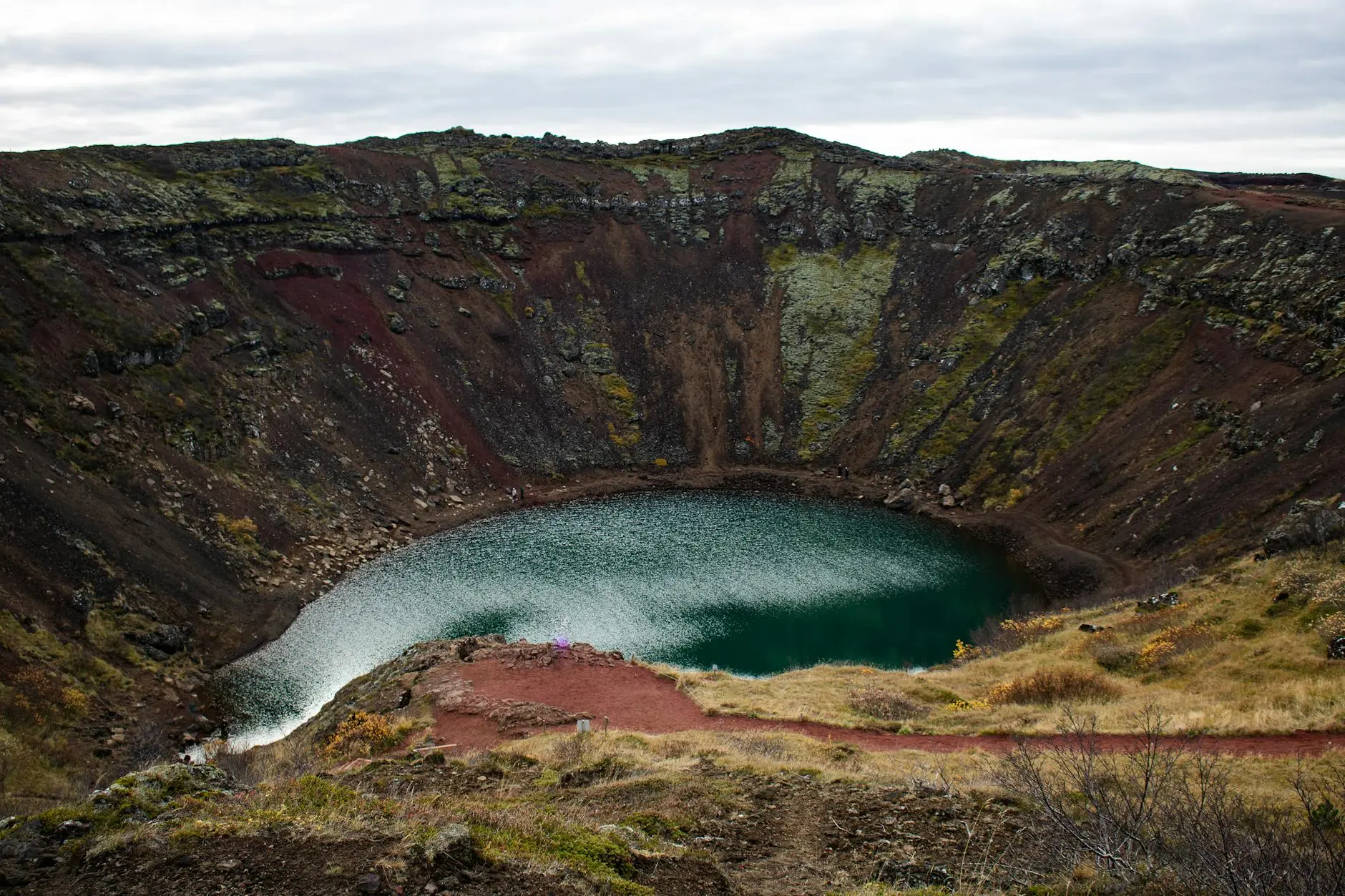
Imagine a wave taller than a 30-story building crashing toward the coast. According to scientists at Heriot-Watt University, that was the terrifying reality 45 million years ago when a massive asteroid slammed into what is now the North Sea, creating what researchers now call the Silverpit Crater.
The Discovery Beneath the North Sea
The Silverpit Crater is a mysterious two-mile-wide depression buried 700 meters beneath the seabed about 80 miles off the Yorkshire coast. This ancient scar on Earth's surface has puzzled researchers since its discovery in 2002. According to the research team, while some scientists suspected an asteroid strike created the Silverpit Crater, others argued it could have formed through salt movement or volcanic activity. Now, groundbreaking research has settled the debate once and for all.
According to a study published in Nature Communications, an international team led by Dr. Uisdean Nicholson from Heriot-Watt University used cutting-edge 3D seismic imaging technology to map the crater in unprecedented detail. According to the researchers, the breakthrough came when they discovered shocked quartz and feldspar crystals in rock samples from the Silverpit Crater region. These minerals only form under the extreme pressures created by asteroid impacts.
Dr. Nicholson explained the significance of the Silverpit Crater findings in a statement: We were exceptionally lucky to find these. These prove the impact crater hypothesis beyond doubt, because they have a fabric that can only be created by extreme shock pressures. The discovery of these shocked minerals within the Silverpit Crater structure finally provided conclusive evidence that this was indeed an impact crater.
An Explosion That Rocked the Ancient World
The research reveals that approximately 43 to 46 million years ago during the middle Eocene, a 160-meter-wide asteroid struck the seabed at a low angle from the west. According to the Nature Communications paper, the impact that created the Silverpit Crater was so violent that it sent a plume of rock and water shooting over 1.5 kilometers into the air. That is nearly twice the height of the world's tallest building.
When that massive curtain of debris collapsed back into the sea, it triggered a tsunami exceeding 100 meters in height. To put that in perspective, that is taller than the Statue of Liberty and would have dwarfed any modern skyscraper. According to researchers, the wave would have devastated anything in its path along ancient coastlines. Silverpit Crater stands as proof of just how destructive asteroid impacts can be.
Professor Gareth Collins from Imperial College London, who has studied impact craters including Silverpit Crater for decades, noted in the research publication that he always thought the impact hypothesis was the simplest explanation and most consistent with the observations. The geological features around Silverpit Crater matched what scientists expected from a high-energy impact event.
Why the Silverpit Crater Discovery Matters Today
The Silverpit Crater is exceptionally rare in scientific terms. According to data from NASA, only about 33 confirmed impact craters exist under Earth's oceans, making this discovery a precious window into our planet's violent past. Most ancient craters have been erased by plate tectonics and erosion over millions of years.
Dr. Nicholson emphasized the significance of Silverpit Crater, stating that it is a rare and exceptionally preserved hypervelocity impact crater. According to the research team, these are rare because Earth's dynamic nature destroys most traces of these events. The Silverpit Crater has survived for 45 million years thanks to its protected position beneath the North Sea.
Scientists are already comparing Silverpit Crater to the famous Chicxulub Crater in Mexico, the impact site linked to the extinction of the dinosaurs. While Silverpit Crater is smaller, its exceptional preservation beneath the seabed offers unique opportunities to study what happens when space rocks collide with our planet.
The research also has modern implications for humanity. According to NASA's planetary defense research, understanding how asteroid impacts generate tsunamis helps scientists assess future collision risks and their potential consequences for coastal communities. In a world increasingly aware of threats from space, the Silverpit Crater discovery reminds us that Earth has always been a target in the cosmic shooting gallery.
The Future of Impact Research After Silverpit Crater
This discovery demonstrates how advances in seismic imaging technology are revolutionizing our understanding of Earth's hidden history. According to the research team, features like the Silverpit Crater's central uplift, annular moat, and surrounding secondary craters provide a blueprint for identifying other buried impact sites around the world.
As drilling technology improves, researchers hope to eventually extract core samples directly from the Silverpit Crater, potentially revealing even more secrets about the asteroid that struck, the environment it devastated, and the geological aftermath that followed.
For now, the Silverpit Crater stands as a silent monument to one of the most dramatic events in UK geological history. It is a reminder that 45 million years ago, the North Sea was the site of an explosion that literally moved mountains.
Comments 0
No comments yet. Be the first to share your thoughts!
Leave a comment
Share your thoughts. Your email will not be published.