The side hustle decline is real, and it comes with a twist. Fewer Americans have a side hustle than at any point in the past four years, yet those who still hustle are earning more than ever, according to a new LendingTree survey. A third of Americans now report extra income outside their main job, down from nearly four in ten last year and more than four in ten four years ago. Average monthly earnings, meanwhile, have climbed to one thousand two hundred forty-two dollars, up from one thousand two hundred fifteen dollars last year and four hundred seventy-three dollars in twenty twenty-two.
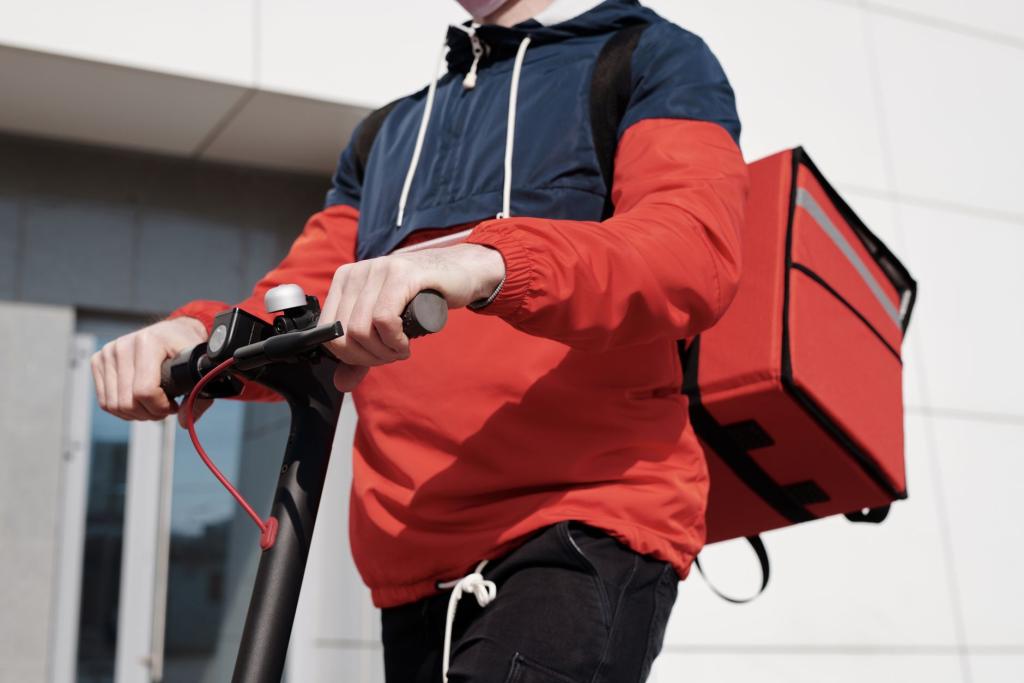
The survey, carried out among just over two thousand U.S. consumers in early March, puts gig and on-demand work at the top of the list: nearly three in ten side hustlers do food or grocery delivery, ridesharing, babysitting, or pet sitting. Freelance and professional services come next at just over a quarter, followed by creative, content, and media work at just under a quarter. Home improvement and skilled trades draw one in five, while event work, adult content, and even illicit sales round out the long tail of the side hustle decline.
Fewer people, bigger paychecks
The side hustle decline shows up sharpest in the youngest workers. Among Gen Z adults, just over four in ten report a side hustle this year, down from nearly six in ten last year and more than six in ten in twenty twenty-two. Millennials fell too, from more than half to fewer than half over the same stretch. Matt Schulz, LendingTree's chief consumer finance analyst, said the side hustle decline makes sense once you look past the averages: starting a hustle still costs money, inflation has squeezed the budgets that would fund it, and high rates have made borrowing to launch one less appealing. In what he called a K-shaped economy, he said, struggling Americans desperately need the extra income while thriving ones feel less need for it.
"It has never been easier or cheaper to start a side hustle, but it still typically costs money to start one," Schulz said. That squeeze helps explain a paradox in the side hustle decline: interest has not collapsed. More than half of Americans say they are likely to start a side hustle within the next year. They just have not done it yet.
The work behind the numbers takes real time. A third of side hustlers put in five to ten hours a week, and a quarter put in eleven to fifteen. More than a third have kept the same hustle going for one to two years, and a third expect to keep theirs indefinitely. Others start smaller: dollar-a-day experiments test whether pocket change can compound, while AI-assisted earners report doubling their monthly take. "This isn't free money," Schulz told Gray Television stations this month. "This isn't just a switch that you flip and all of a sudden, you're bringing in money."
The paycheck they cannot quit
The side hustle decline has not loosened its grip on anyone still holding one. Six in ten side hustlers say life would be unaffordable without the extra income, a share unchanged from last year. Eight in ten say the hustle improves their quality of life, and nearly half say it supports their long-term financial security, though men feel that security far more than women: nearly six in ten men say so, compared with just over a third of women.
And yet most would trade it all for simplicity, even amid the side hustle decline. Nearly seven in ten say they would rather rely on one main source of income if they had the option, up from about two-thirds last year. Asked what they would cut if the hustle vanished tomorrow, four in ten named dining out, nearly four in ten named shopping, a third named entertainment, and just under a third named streaming services. For most, the hustle is a slice rather than the pie: more than a quarter say it makes up ten to twenty-four percent of their income, and a similar share say it is less than a tenth. Seasonal workers stacking holiday shifts know the feeling.
Schulz cautioned against leaning on gig income to fight economic pressure. "Relying on side hustles can be risky, in large part because of how unpredictable side hustle income can be," he said. "Even the most successful side hustles will have highs and lows." It is a warning that lands harder when the money is load-bearing: a third of hustlers took one on to cover cost-of-living increases, another third for discretionary spending or saving, and a quarter to pay essential bills.
Why the young walked away first
Gen Z accounts for the steepest part of the side hustle decline, and their reasons point to the day job. More than a third of Gen Z hustlers say they plan to keep the hustle only until their primary job pays more, compared with a quarter of hustlers overall. The current economy and inflation rank as the top drivers pushing people into extra work, cited by more than a third and three in ten respectively, followed by rising housing costs at a quarter. Job insecurity, rising rates, and medical debt trail behind.
None of which means the hustle is dying. The side hustle decline looks less like an ending than a filter: fewer people starting, higher pay for those who persist, and a core of workers for whom the extra income is not optional. Six in ten say they could not afford life without it. For them, the question was never whether to hustle. It was whether the hustle would be enough.
Comments 0
No comments yet. Be the first to share your thoughts!
Leave a comment
Share your thoughts. Your email will not be published.