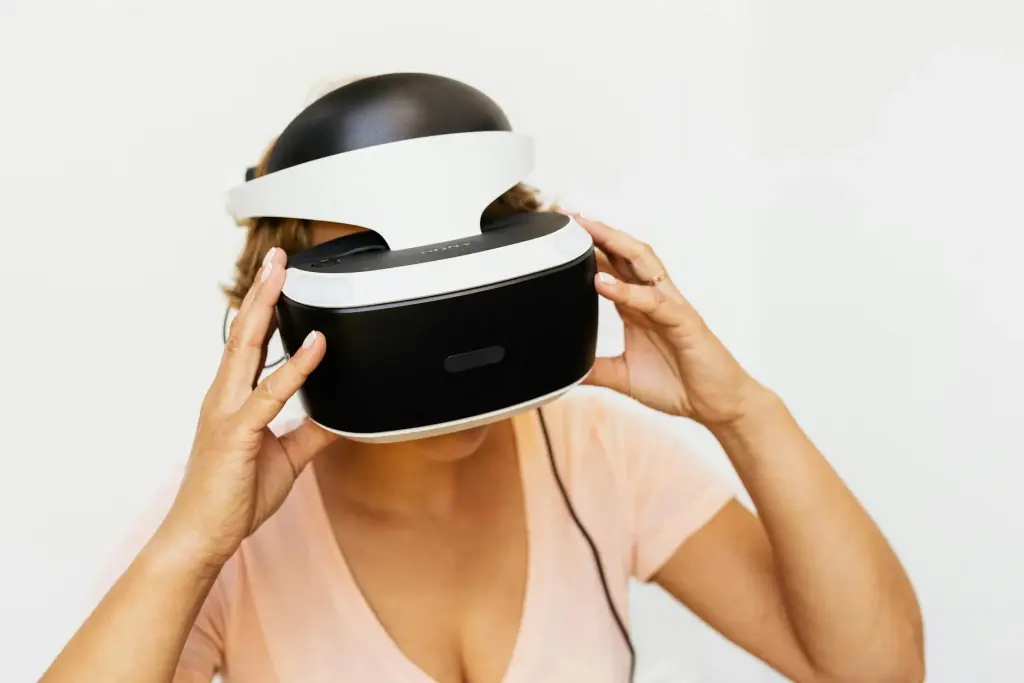
Samsung has officially entered the AI glasses race with a vengeance. According to recent reports from CNBC and various tech outlets, the company revealed its first camera-equipped AI smart glasses on March 6, 2026. These are not the bulky headsets of the past—these are sleek, phone-tethered glasses that could finally bring augmented reality to the masses. For Gen Z, who have watched tech companies try and fail to make smart glasses cool for years, this announcement might signal the beginning of the AR revolution that has been promised since sci-fi movies first showed characters wearing computers on their faces.
What Makes Samsung AI Glasses Different?
Unlike previous attempts at smart glasses, Samsung new AI glasses are designed to work seamlessly with a phone. The glasses connect to a smartphone via Bluetooth, processing AI requests locally or through cloud services. This means they can handle tasks like real-time translation, visual search, and contextual information overlays without needing the heavy processing power that made earlier AR headsets so bulky and expensive. According to coverage from Glass Almanac and other tech news sites, this phone-tethered approach solves one of the biggest problems with previous smart glasses: they tried to do too much on their own.
The key differentiator is the camera system. Samsung AI glasses feature multiple cameras that can capture what the wearer is looking at and feed that information to AI models. Whether trying to identify a plant, translate a sign in real-time, or find more information about a product being considered, the glasses can help without pulling out a phone. This hands-free approach represents a fundamental shift in how people interact with technology, making digital information accessible in the moment it is needed without breaking the user's flow.
Why This Could Be Different From Google Glass
Many people remember Google Glass, which was supposed to revolutionize wearable tech but instead became a punchline. Early adopters were mocked for looking like cyborgs walking around with computers on their faces. So what makes Samsung AI glasses different this time around? First, the form factor is much more socially acceptable. These look like regular glasses—perhaps slightly techy in a cool way, but nothing that would make strangers stare or think they are being recorded secretly.
Second, the use cases are more practical and immediately useful. Rather than trying to replace the phone entirely, these glasses enhance specific moments throughout the day. Imagine walking down a street in Tokyo and seeing translations appear over signs in real-time, or cooking a recipe from a foreign cookbook without ever touching a phone with messy hands. The technology serves the user rather than demanding constant attention.
The timing also matters enormously. In 2026, AI assistants are far more capable than they were when Google Glass launched in 2013. GPT-style language models can understand context, have natural conversations, and provide genuinely useful assistance that feels magical rather than gimmicky. Combined with real-time visual understanding capabilities, these glasses can offer experiences that were not possible even a year or two ago. The AI has finally caught up to the vision that early pioneers had for augmented reality.
The Competition Heats Up
Samsung AI glasses are not alone in the race to dominate the wearable tech market. Apple has been rumored to be working on similar AI glasses for years, and Snap has been iterating on its Spectacles line with increasingly impressive technology. What is being observed is a convergence of multiple tech giants betting that the form factor is finally ready for mainstream adoption. According to industry analysts, the market is expected to split between consumer-focused devices like Samsung's and more rugged, enterprise-focused headsets from defense contractors and industrial companies.
For regular consumers, the Samsung approach seems to be winning early interest precisely because it does not try to do everything. Affordable, phone-tethered glasses that enhance rather than replace existing devices make sense for people who already spend too much time staring at screens. This is augmentation rather than replacement, and that distinction matters for widespread adoption.
What this means for Gen Z is straightforward: the future of computing might literally be sitting on their faces sooner than they think. As these devices get better and prices inevitably drop through economies of scale, a world where checking notifications, getting directions, capturing a moment, or looking up information becomes as simple as looking at something could emerge. The smartphone revolutionized how people access information—smart glasses might do the same for how they experience the world around them.
Should Consumers Get Excited?
For consumers who already live in AirPods and use their phone for everything, Samsung AI glasses represent the next logical step in how they interact with technology. They are less intrusive than constantly looking at a screen, more practical than previous attempts at AR, and backed by a company with the manufacturing scale and resources to make them work properly at scale. The difference between a cool prototype and a product millions of people actually use often comes down to execution, and Samsung has proven it can do mass production better than almost anyone in the industry.
That said, there are still legitimate concerns worth considering. Privacy advocates worry about the implications of everyone walking around with cameras that can record at any moment. Battery life remains a challenge for any wearable device. And some people simply do not want to wear computers on their faces, no matter how sleek the design. These cultural and practical barriers are not trivial, and they will determine whether smart glasses become as ubiquitous as smartphones or remain a niche product for tech enthusiasts.
If Samsung can nail the user experience and convince developers to build compelling apps for the platform, 2026 might be remembered as the year smart glasses stopped being a gimmick and started becoming genuinely useful. The question is not whether augmented reality will go mainstream—it is whether consumers are ready to wear it.
Comments 0
No comments yet. Be the first to share your thoughts!
Leave a comment
Share your thoughts. Your email will not be published.