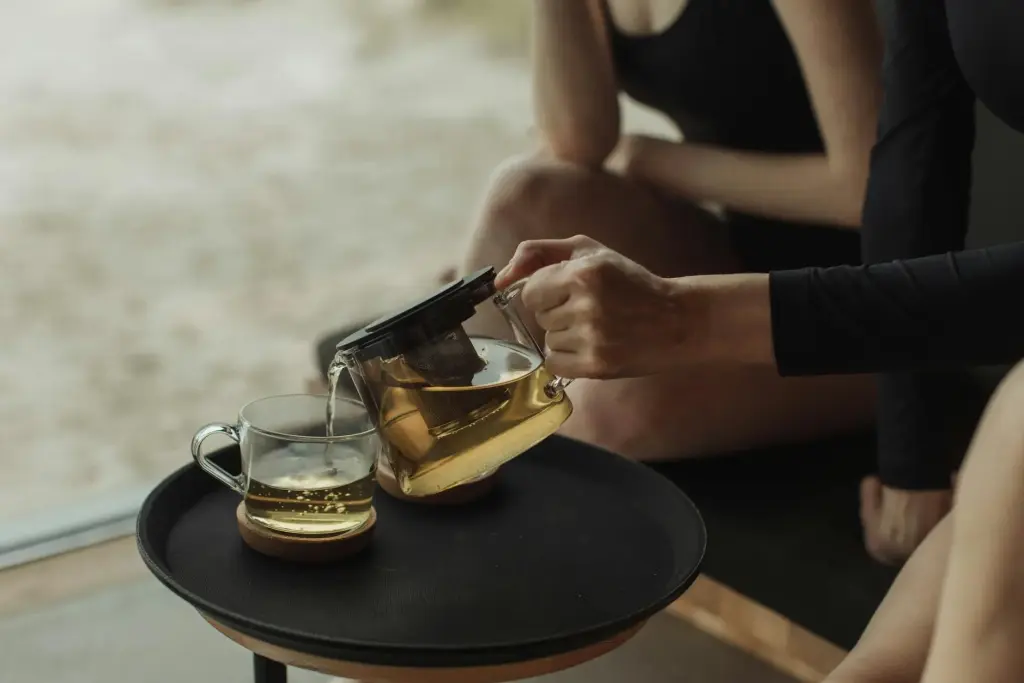
Move over, avocado toast — there's a new wellness trend in town, and it's coming from halfway across the world. Chinamaxxing, the latest lifestyle craze sweeping through Gen Z circles, has millions of young people trading their morning coffees for hot water, their quick-fix diets for traditional Chinese medicine, and their hustle-or-die mentality for a more balanced approach to life. Whether you're deep into TikTok or just curious about what's trending, this phenomenon is hard to ignore.
What Exactly Is Chinamaxxing?
Chinamaxxing is essentially Gen Z's way of adopting elements of Chinese daily routines, wellness practices, and aesthetics as a form of lifestyle self-improvement. According to Forbes, the trend involves young Western social media users experimenting with Chinese lifestyle habits, wellness practices, and cultural rituals — from traditional medicine to everyday routines that prioritize balance over burnout.
The trend has exploded on platforms like TikTok, where the hashtag #Chinamaxxing has racked up millions of views. Videos showing everything from brewing herbal teas to demonstrating the benefits of wearing indoor slippers have become viral hits. As reported by Newsweek, young Americans are adopting selective Chinese wellness, food, and lifestyle habits both out of curiosity about Chinese history and culture, and as an aesthetic response to disillusionment with mainstream American culture.
Why Are Young People Ditching Coffee for Hot Water?
One of the most viral aspects of Chinamaxxing is the hot water obsession. No, seriously — millions of Gen Zers are now starting their mornings with a simple cup of hot water instead of their usual caffeine fix. Miami-based TikTok user Simplysashanoel popularized the habit with videos showing herself drinking hot water first thing in the morning, as noted by Business Insider.
The practice actually has roots in traditional Chinese medicine, which views warm beverages as better for digestion and overall health. But beyond the health claims, many young people say the habit represents something bigger — a conscious rejection of the constant go-go-go energy that defines American hustle culture. Instead of powering through exhaustion with caffeine, they're opting for a gentler start that sets a calmer tone for the entire day.
Other wellness habits going mainstream include drinking boiled apple water (believed to aid digestion), eating congee (a soothing rice porridge), and incorporating herbal remedies into their routines. These aren't just random TikTok fads — they're practical habits that many in the Chinese community have sworn by for generations.
The Productivity Angle: Working Smarter, Not Harder
Chinamaxxing isn't just about feeling good — it's also about a different approach to productivity. Many Gen Zers adopting these habits are drawn to the structure and balance emphasized in Chinese work culture. Rather than burning out with endless overtime, practitioners are embracing routines that promote sustained energy throughout the day.
According to Shaoyu Yuan, a scholar at New York University's Center for Global Affairs, the trend reflects 'a sign of growing cultural cachet' as audiences engage with China through lifestyle trends rather than viewing it solely through geopolitical lenses, as reported by the China Daily. This shift represents a subtle but significant change in how young people think about work, wellness, and their place in the global cultural landscape.
The trend also arrives at a time when trust in traditional American wellness systems is wavering. The Guardian reported that Gen Z is increasingly turning to Chinese medicine as trust in the US health system drops. Rather than quick fixes and pharmaceutical solutions, many young people are seeking holistic approaches that address root causes rather than just symptoms.
Not Without Controversy
Of course, not everyone is celebrating Chinamaxxing. Some Chinese-Americans have expressed concerns about cultural appropriation, pointing out that many of these practices were mocked or stigmatized during the COVID-19 pandemic when anti-Asian hate crimes surged. As one commenter put it, many Chinese-Americans don't see this sudden adoption of Chinese-coded habits as sincere — especially when these same communities faced discrimination not long ago.
Others worry that the trend reduces complex cultural practices to shallow aesthetics, picking and choosing convenient habits while ignoring deeper cultural context. There's also the political dimension to consider: some critics argue that romanticizing Chinese lifestyle ignores serious issues around government policies and human rights concerns.
However, supporters argue that cultural exchange works both ways, and curiosity about other cultures — especially when done respectfully — can only build bridges. As Jing Gao, founder of Chinese food brand Fly By Jing, pointed out on her TikTok account, the shift is 'driven by Gen Z curiosity, humor, and daily routines' — not politics.
Is Chinamaxxing Here to Stay?
Whether you think Chinamaxxing is a genuine wellness revelation or just another passing internet phase, one thing's clear: it represents something real about Gen Z's relationship with wellness, work, and cultural identity. This generation grew up during economic instability, climate anxiety, and a pandemic that flipped their lives upside down. It's no wonder they're searching for new frameworks — even if those frameworks come from halfway across the world.
For companies and employers, the trend sends a clear message: young workers want different things than previous generations. They're less interested in grinding for the sake of grinding and more focused on sustainable practices that actually improve their quality of life. Whether that means taking breaks to drink herbal tea, prioritizing sleep over late-night hustle, or simply wearing indoor slippers for comfort — the underlying message is the same.
So the next time you see someone posting about their morning hot water routine or their new congee recipe, don't dismiss it as just another TikTok weirdness. It might just be the tip of a much bigger cultural iceberg.
Comments 0
No comments yet. Be the first to share your thoughts!
Leave a comment
Share your thoughts. Your email will not be published.