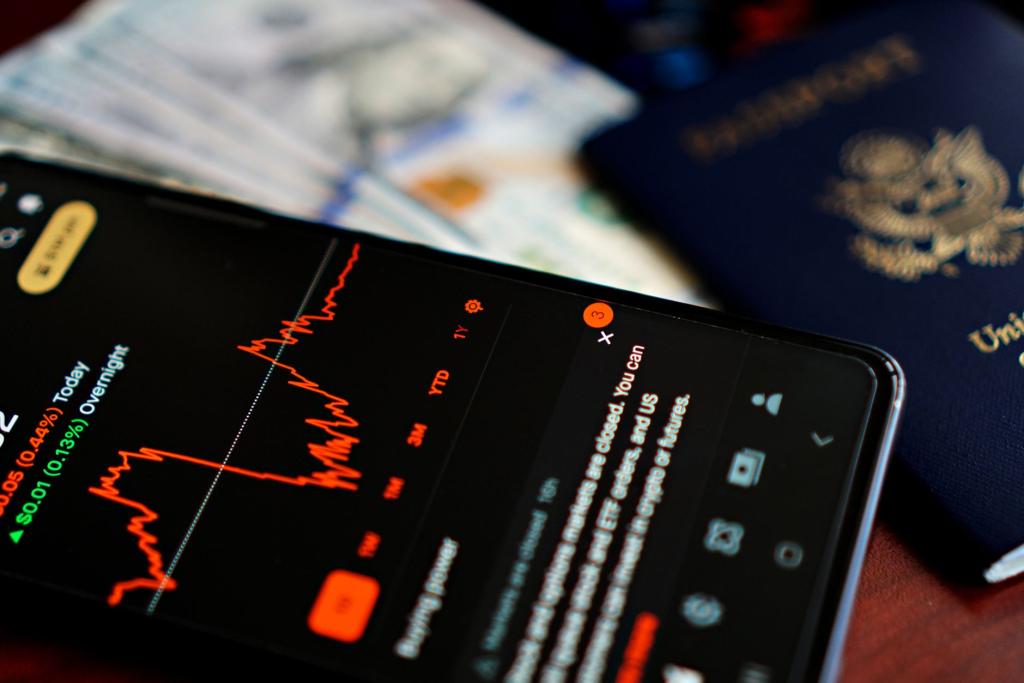
Robinhood is giving everyday investors a tool that was once reserved for hedge funds: AI trading agents that live inside its app, analyze markets, build strategies, and place trades in stocks, options and crypto around the clock. The company unveiled the embedded agents at its HOOD Summit 2026 in Houston on September 29, 2026, alongside a slate of new active-trading products that includes crypto perpetual futures, SEC-regulated earnings contracts built with Cboe, and weekend stock trading planned for early 2027, according to summit reporting.
The agents arrive after a quiet pilot. Robinhood began testing agentic trading in May 2026, letting tech-savvy users connect outside AI tools through developer integrations, and more than one hundred fifty thousand agentic accounts have opened since then. Now the experience is built directly into the app — no coding required. The company says the agents draw on dozens of market data sources and that trade approval stays switched on by default, though customers can turn approvals off and let the agent trade fully on its own. In its disclosures, Robinhood puts all the risk of those autonomous trades on the customer and says it does not supervise, monitor or audit the agents, as reported by PYMNTS.
How the new AI trading agents work
Getting an agent running takes minutes, not a coding bootcamp. The built-in AI model is free through the end of 2026, while third-party data add-ons from providers like Nasdaq, Unusual Whales and Quiver Quantitative will run five to thirty dollars a month after a one-month free trial, according to PYMNTS. Chief executive Vlad Tenev framed the push as making Robinhood, in his words, "the best place in the world for active traders," delivering tools once reserved for hedge funds, big banks and quant firms, as reported by Seeking Alpha. Fortune noted Robinhood is the only brokerage so far offering agents built for nontechnical users at scale, while rivals eToro, Public and Coinbase only let users connect their own agents through developer channels, according to the same PYMNTS report. Robinhood's vice president of product management Abhishek Fatehpuria told CoinDesk the company's top priority is being number one for active traders, without favoring one asset class over another, as reported by CoinDesk.
Perpetual futures and earnings contracts join the lineup
Alongside the agents, Robinhood will offer crypto perpetual futures to eligible United States customers: up to ten times leverage on bitcoin and ether and three times on Solana, XRP, Dogecoin, Cardano, Chainlink and HYPE, offered through Robinhood Derivatives via Bitstamp with a one-basis-point promotional fee through the end of 2026, according to summit coverage. Extended options hours arrive this month, running from half past seven in the morning to a quarter past four in the afternoon Eastern Time, with one-cancels-the-other orders and quadruple intraday margin for qualifying accounts.
The most unusual product is a new kind of earnings bet. Cboe and Robinhood announced plans for KPI binary contracts — SEC-regulated contracts that pay out based on whether a company beats earnings or hits a revenue target — covering twenty-three companies including Apple and Tesla, launching this month pending regulatory approval with no fees through year-end, according to an official Cboe press release (Cboe announcement). Cboe's head of retail expansion JJ Kinahan said the exchange was pleased to have Robinhood "among our first partners" in bringing the SEC-regulated products to its client base. The release frames the contracts as a deliberate contrast with prediction markets on CFTC-regulated venues such as Kalshi, noting the benefits of federal preemption of state securities registration requirements.
Why the market is cautious — and what it means for you
Wall Street greeted the summit with a shrug: Robinhood shares fell about three percent the next day to close near one hundred twelve dollars and fifty cents, a classic sell-the-news reaction, even as BTIG raised its price target to one hundred thirty-five dollars and kept a buy rating, according to market coverage from Seeking Alpha. Several products still need regulatory sign-off and have not launched, and none has shown up in revenue yet — while the combination of unsupervised AI agents and ten-times retail crypto leverage is likely to draw scrutiny from regulators and consumer advocates if losses make headlines.
The rollout has been building all year. After the May pilot drew roughly one hundred thousand signups by late July, the September summit put the full product stack on display; Cboe filed for temporary SEC registration of its clearing arm the next day. Earnings contracts and extended options hours are expected in October 2026, while weekend equities trading — on a curated list of stocks and exchange-traded funds through the Bruce alternative trading system — is slated for early 2027, pending regulatory review.
For Gen Z investors, the shift is practical: anyone could soon set an AI agent trading in minutes, trade earnings season as direct did-they-beat contracts, and trade crypto with leverage through a mainstream broker for the first time. The audience is already primed — sixty-two percent of Gen Z say they are open to using AI to test what-if financial plans, according to PYMNTS Intelligence data cited in the report. Young investors already riding the record gold rally can follow more market coverage in the investing-genz hub, where the September slump guide lays out what to do when markets wobble.
Comments 0
No comments yet. Be the first to share your thoughts!
Leave a comment
Share your thoughts. Your email will not be published.