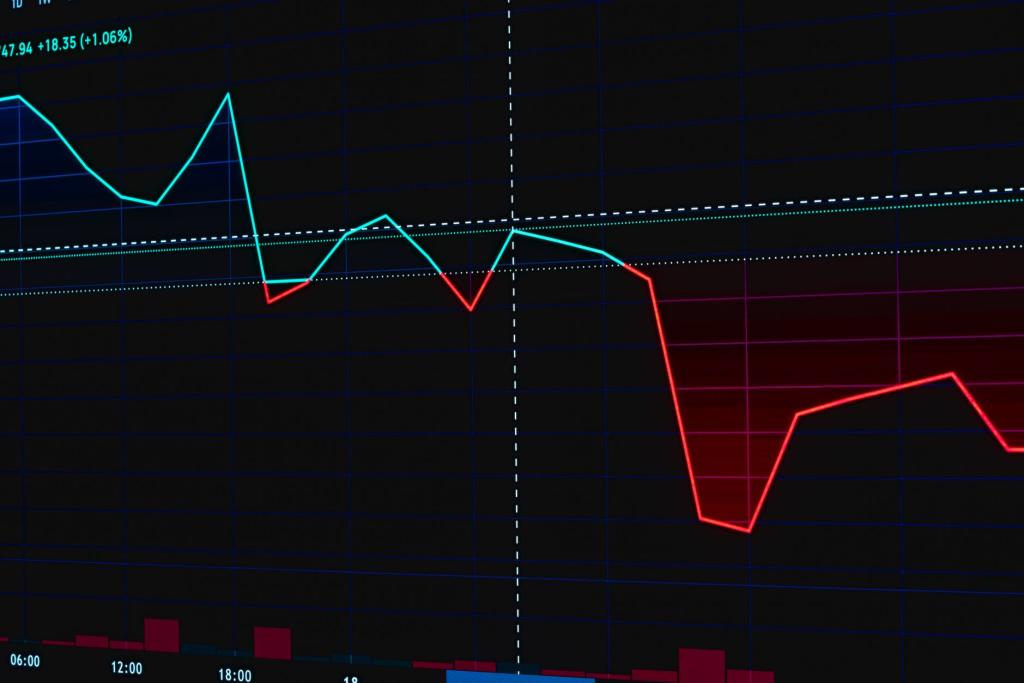
September did what September does. The month's final trading session closed out the worst stretch of the year for American stocks, and the September stock market slump landed hardest on the Dow. The blue-chip index fell three and a half percent across the month, snapping the winning streak that had carried it through the summer, according to Investopedia's market briefing published Wednesday morning.
The pain was uneven. The S&P index slipped about two tenths of a percent, while the tech-heavy Nasdaq rose one point six percent on the back of another leg of the AI rally. Bonds told the other side of the story: the ten-year Treasury yield closed just over five percent, its highest since the global financial crisis, as traders priced in stubborn inflation. Gold hovered near record highs and bitcoin held steady near eighty-four thousand dollars ahead of the morning's inflation report that capped the September stock market slump.
Why September is Wall Street's least favorite month
The calendar gets the blame every year, and the data mostly back it up. September is the only month in which the Dow, the S&P index, the Nasdaq, and small-cap stocks all average losses, according to Dow Jones Market Data cited by Barron's. This year's culprits were familiar: rising oil prices and climbing bond yields, plus fresh anxiety about whether the AI spending boom is running ahead of reality.
Not everyone is spooked by the pattern. Carson Group chief market strategist Ryan Detrick told Dow Jones Newswires that context matters more than the month. "Don't forget, the worst Septembers ever have taken place when things were already dicey or weak," Detrick said. The other force shaping the September stock market slump is the Federal Reserve, which lifted interest rates earlier in the month for the first time in years and meets again in late October, with a final inflation reading due before then.
What the Fed's next move means for your money
Wednesday's main event was the personal consumption expenditures price index, the Fed's preferred inflation gauge. It landed alongside fresh private payrolls data showing hiring picked up in September, according to live market coverage from Investor's Business Daily. A cool reading would give the central bank room to pause. A hot reading would keep another hike on the table just days before the midterm elections.
deVere Group chief executive Nigel Green cautioned against betting on a pause. "Anyone treating today's numbers as a green light for the Fed to stand down is, we expect, going to be making a big mistake," Green said in commentary published on business-money.com, adding that headline inflation remains far above target.
How to play the September stock market slump
If you are investing for the long run, the worst response to a red month is to sell into it. Exiting after a drop locks in the loss and interrupts the compounding that makes starting young so powerful. What your money is for has not changed. The September stock market slump simply lowered the price of getting it invested.
Automatic contributions remain the simplest edge. A monthly transfer into a broad index fund buys more shares when prices dip and fewer when they climb, which smooths out exactly the kind of month September delivered. Our Gen Z ETF investing playbook walks through how to set that up without overthinking it.
Resist the urge to trade the headlines. Chasing AI winners after a pop, or panic-buying gold at record highs, is how rough months get worse. If you want a better sense of how markets actually move money around the world, the Vietnam FTSE upgrade story is a good example of a slow, structural shift that matters more than any single day's swing.
Finally, check the boring stuff before you chase the dip. An emergency fund covering a few months of expenses matters more than perfect timing, especially with borrowing costs at their highest in years. Once that cushion exists, a September stock market slump is just a cheaper way in, and new tools like AI trading agents are making it easier to stick to a plan instead of reacting to every headline.
Comments 0
No comments yet. Be the first to share your thoughts!
Leave a comment
Share your thoughts. Your email will not be published.