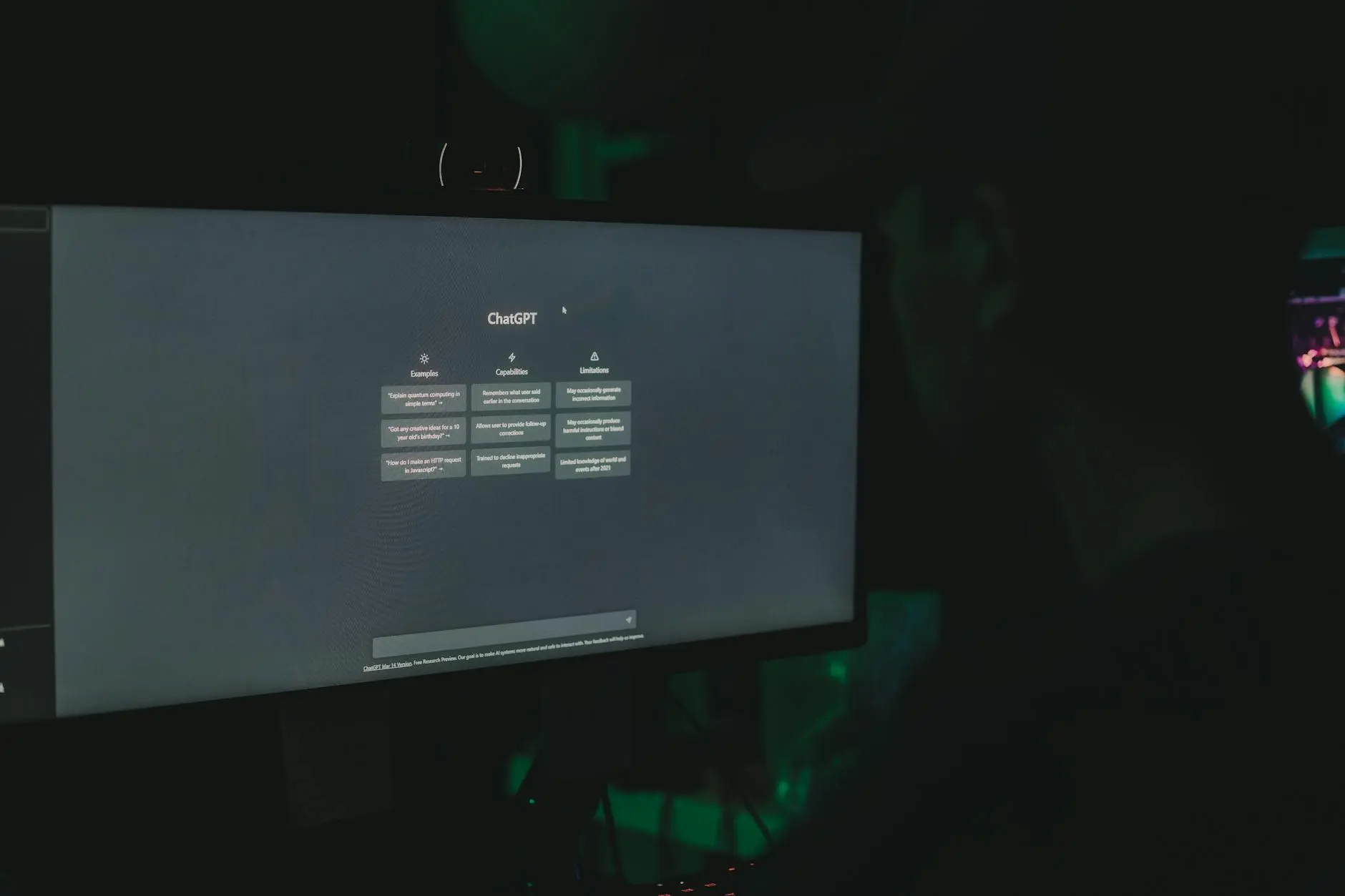
Prompt engineering has exploded into the most in-demand skill in America, with search interest surging by 9,900 percent according to Exploding Topics March 2026 data. As AI tools like ChatGPT, Claude, and Midjourney become essential across every industry, prompt engineering—the art of crafting effective AI instructions—has become the gateway to unlocking exponential productivity and building six-figure careers. Companies now pay $80,000 to $200,000 annually for skilled prompt engineering professionals, and workers who master prompt engineering are 10x more productive than those who don't. Whether you're in marketing, software development, research, or any field, understanding prompt engineering is now essential. This is your complete guide to mastering the skill defining 2026.
What is Prompt Engineering
Prompt engineering is the practice of designing and refining text instructions for AI language models to produce accurate, useful outputs. Unlike traditional programming that uses code, prompt engineering uses natural language, making it accessible to everyone. The quality of AI output depends entirely on the quality of your prompt engineering. A vague prompt gets mediocre results; expert prompt engineering unlocks professional-grade content, solves complex problems, and saves hours. Prompt engineering has six core principles: be specific with clear instructions, provide context and background, use examples to guide the AI, iterate and refine based on outputs, assign roles to the AI, and break complex tasks into steps. Mastering prompt engineering means learning to communicate with AI as effectively as you communicate with humans.
Prompt Engineering Techniques That Work
Effective prompt engineering starts with specificity. Instead of 'Write about marketing,' expert prompt engineering specifies 'Write a 500-word guide for small businesses on Instagram Reels marketing with three actionable tips.' Context matters—define your audience, set constraints, and explain the goal. Few-shot prompting in prompt engineering means showing the AI examples of what you want. Chain-of-thought prompting asks the AI to think step-by-step, improving logic and accuracy. Advanced prompt engineering includes meta-prompting (asking AI to generate better prompts), prompt chaining (using one output as input for another), and self-consistency checking (running prompts multiple times to compare). Role-playing improves tone: 'Act as a legal expert' or 'Respond as a data scientist' enhances relevance in prompt engineering. Iteration is critical—the best prompt engineering is experimental, testing different approaches until outputs are perfect.
Why Prompt Engineering Creates Six-Figure Careers
Demand for prompt engineering expertise has created entirely new job categories with salaries rivaling software engineering. Companies like OpenAI and Anthropic hire dedicated prompt engineers at $80,000 to $200,000+ annually to design prompt libraries, train teams, and optimize AI workflows. But prompt engineering careers aren't limited to tech—marketing professionals use prompt engineering to automate content creation, software developers use it with GitHub Copilot to write code faster, researchers use prompt engineering to summarize papers and extract insights, and legal professionals use it to analyze contracts. Freelancers offering prompt engineering consulting charge $100 to $300 per hour. The universal applicability of prompt engineering means it makes you more valuable in any field. Early adopters of prompt engineering are positioning themselves as indispensable experts in an AI-driven economy.
Real-World Prompt Engineering Applications
Prompt engineering is transforming work across every industry. In healthcare, doctors use prompt engineering to draft patient notes and summarize research. In education, teachers use prompt engineering for lesson plans and personalized feedback. In finance, analysts use prompt engineering to summarize earnings reports and analyze trends. In customer service, companies use prompt engineering to build AI chatbots. In creative industries, writers and marketers use prompt engineering to brainstorm ideas and draft copy. In software development, prompt engineering with GitHub Copilot accelerates coding and testing. In HR, companies use prompt engineering to screen resumes and draft job descriptions. Organizations investing in prompt engineering training see measurable efficiency, quality, and innovation improvements. Prompt engineering is not niche—it's a fundamental competency enhancing productivity across all domains.
How to Master Prompt Engineering
Learning prompt engineering doesn't require a degree or expensive courses. Start by using AI tools daily and experimenting with prompts. Open ChatGPT, try Claude, explore Midjourney, Jasper, or Copy.ai. Start simple—summarize articles, draft emails, brainstorm ideas—and watch how prompt changes affect outputs. Document what works. Online resources for prompt engineering abound: OpenAI documentation, Coursera and Udemy courses (often under $50), YouTube tutorials, and Reddit/Discord communities where prompt engineering enthusiasts share tips. Practice regularly—set weekly time to experiment with new prompt engineering techniques and challenge yourself with complex tasks. Consider specializing in prompt engineering for a specific domain like marketing, legal, or software development to become a recognized expert. The investment in learning prompt engineering pays off exponentially as AI becomes central to professional life. For more on AI skills and careers, follow GenZ NewZ AI News.
Prompt engineering is the defining skill of 2026—the gateway to mastering AI and unlocking productivity, career growth, and innovation. The tools exist, demand is real, and opportunity is massive. The only question is whether you'll master prompt engineering now or wish you started sooner. For more technology trends and career insights, visit GenZ NewZ.
Comments 0
No comments yet. Be the first to share your thoughts!
Leave a comment
Share your thoughts. Your email will not be published.