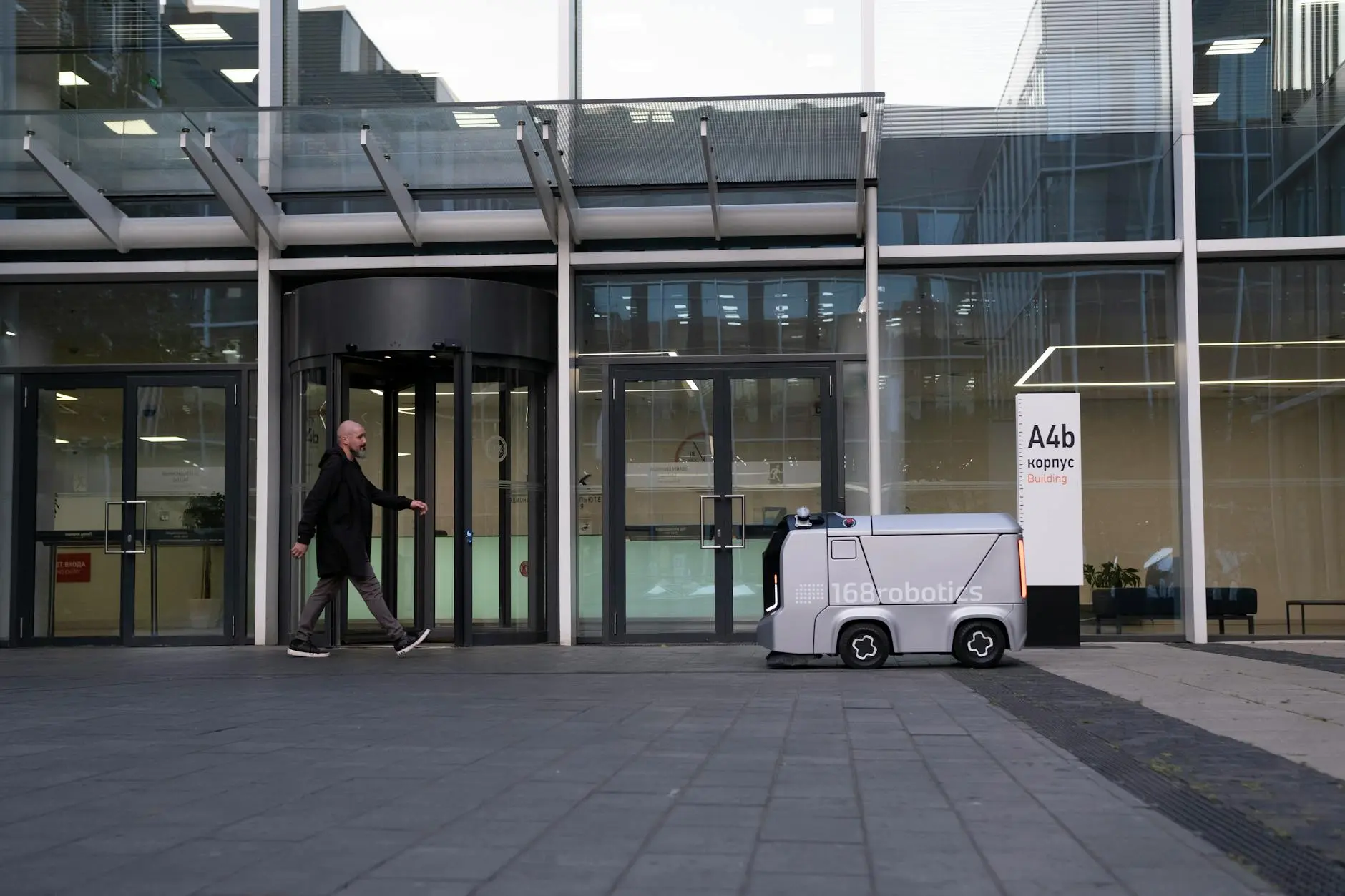
Agentic AI refers to artificial intelligence systems that independently reason, plan, make decisions, and execute multi-step tasks with minimal human intervention. According to MIT Sloan Management Review, the age of agentic AI has arrived and its impact is already being felt across industries worldwide. Unlike traditional AI tools that respond to a single prompt, agentic AI operates in continuous loops, setting its own subgoals, selecting tools, calling APIs, and adjusting its behavior based on real-world feedback until the overarching objective is completed.
What Makes AI Agentic?
The key distinction of agentic AI is genuine autonomy combined with goal-directed behavior. These systems are given a high-level objective and then break it down into sequential steps, selecting the right tools, APIs, or other AI models to complete each one. Frameworks like AutoGPT, LangChain Agents, CrewAI, and Microsoft AutoGen have made it significantly easier for developers to build these sophisticated multi-step pipelines. According to Gartner, agentic AI is one of the top strategic technology trends for 2025 and 2026, with analysts expecting these systems to automate up to 15 percent of everyday work decisions by 2028. The shift from reactive AI assistants to proactive AI agents marks one of the most significant technology transitions of the decade.
Industries Being Transformed by Agentic AI
From finance to healthcare to software development, agentic AI is fundamentally reshaping how work gets done across every major industry. In software engineering, AI coding agents like GitHub Copilot Workspace and Devin are already capable of taking a bug report and autonomously writing, testing, debugging, and submitting a fix without human intervention at each step. In the financial sector, agentic systems are continuously monitoring portfolios, generating detailed regulatory reports, detecting fraud patterns, and flagging market anomalies in real time. Healthcare providers are deploying AI agents to handle patient intake workflows, insurance verification, prior authorization requests, and appointment scheduling. A Deloitte report on agentic AI projects that enterprise adoption will more than double in 2025 as trust in these systems grows through improved transparency, explainability tools, and governance frameworks. Retail, logistics, legal, and education sectors are all witnessing early deployments that show measurable productivity gains.
The Risks You Need to Know
With greater autonomy comes proportionally greater risk. Agentic AI systems can make errors that compound silently across multiple steps before any human catches them, making mistakes far harder to trace and reverse than those made by a simple chatbot. There are serious and growing concerns around data privacy, since agentic systems often require broad and persistent access to emails, calendar data, internal files, customer records, and third-party APIs in order to function effectively. Security researchers have flagged the significant risk of prompt injection attacks, where malicious content embedded in the environment tricks an AI agent into taking unintended or harmful actions on behalf of an attacker. Responsible deployment requires thoughtful human-in-the-loop checkpoints at critical decision nodes, comprehensive audit logs, strict permission scoping, and clear organizational policies defining exactly what an agent is and is not permitted to do autonomously.
What This Means for Gen Z Entering the Workforce
For younger workers entering the job market in 2026, agentic AI presents simultaneously a genuine challenge and one of the most significant career opportunities of the generation. The World Economic Forum has noted that early AI adopters are experiencing some workplace friction, including reduced face-to-face collaboration and weaker social bonds with colleagues, as an increasing share of cross-functional work moves through AI intermediaries rather than direct human interaction. However, the career opportunity created by agentic AI is both real and substantial: workers who understand how to architect, deploy, fine-tune, prompt, and govern AI agents will hold an outsized competitive advantage in virtually every industry sector going forward. For more on how AI is reshaping careers, check out the latest coverage at GenZ NewZ AI News.
New job categories including AI governance specialist, agent operations manager, prompt engineer, and AI workflow designer are experiencing explosive growth. Prompt engineering alone registered over 9,900 percent search growth according to Exploding Topics. For Gen Z, a cohort that has grown up intuitively navigating complex and evolving digital systems, the agentic AI era is not a career threat but rather a defining inflection point that richly rewards adaptability, systems thinking, critical reasoning, and digital fluency above all other competencies. The tools already exist and are rapidly improving. The only question that remains is whether you will choose to learn how to direct them effectively.
Comments 0
No comments yet. Be the first to share your thoughts!
Leave a comment
Share your thoughts. Your email will not be published.