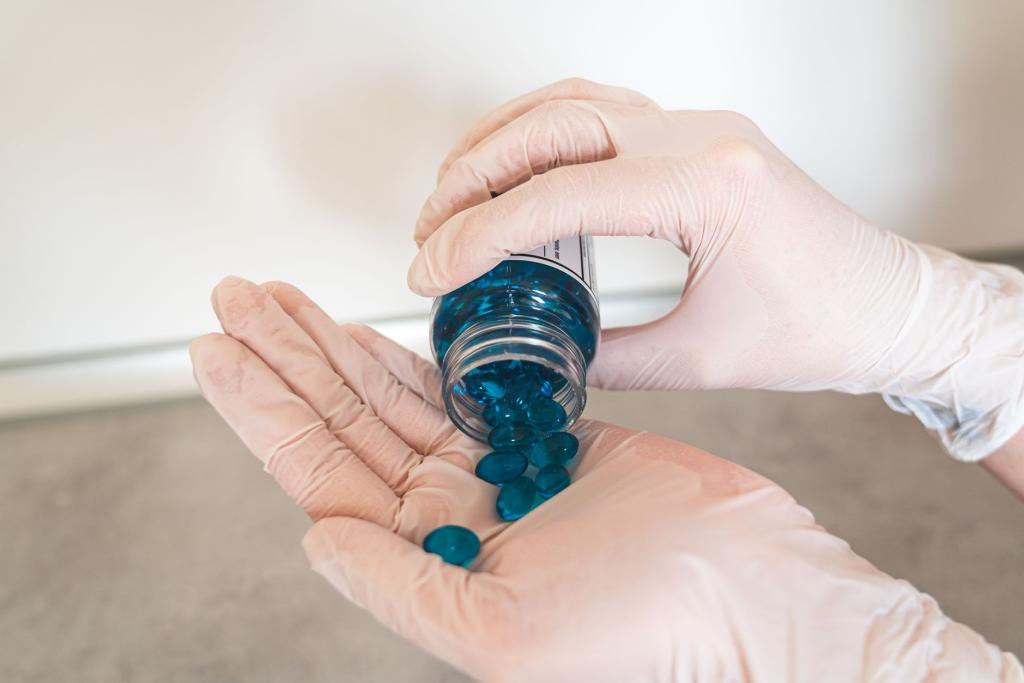
Research presented this month at the United States Conference on HIV/AIDS in Anaheim offers the clearest look yet at PrEP uptake after STI diagnosis: people with a previous STI diagnosis were twice as likely to be on PrEP, the daily medication that prevents HIV.
The study, reported by Clinical Advisor, drew on records from the Empowerment Resource Center, a community-based HIV prevention program in metropolitan Atlanta. Researchers reviewed 20,613 client encounters from 2019 through 2023 and narrowed the analysis to more than five thousand clients, ranging in age from 14 to 85, to get a clean read on PrEP uptake after STI diagnosis in a real-world community setting. Using multivariable logistic regression, they compared current PrEP use against STI history while accounting for age, gender, race and ethnicity, sexual orientation, insurance status, housing, incarceration history, HIV risk level, prior HIV testing, and number of sexual partners.
The headline result was straightforward. Clients with a previous STI diagnosis had significantly greater odds of currently using PrEP than those with no STI history, with an adjusted odds ratio of 2.00 and a 95 percent confidence interval of 1.70 to 2.36. Put another way, PrEP uptake after STI diagnosis was roughly double what it was among patients with no STI history. High HIV risk carried a similar pull toward the medication, with an adjusted odds ratio of 2.39. The researchers noted that the pattern supports bringing PrEP conversations directly into STI care: expand routine PrEP education, smooth out referral and navigation, and offer same-day access to the medication when someone is already in the clinic for a screening.
The clinic visit that opens the door
There is a practical reason an STI visit keeps surfacing as a turning point for PrEP uptake after STI diagnosis. STI screenings already involve the exact conversations PrEP requires: who you are sleeping with, what protection you use, and what your exposure looks like. Federal guidance from the CDC already lists a recent bacterial STI diagnosis as a reason to offer PrEP, and this new Atlanta data suggests many patients are arriving at the medication at higher rates after an STI diagnosis, whether on their own or through their providers.
The Empowerment Resource Center sample also shows who these programs are reaching. About two-thirds of the clients were Black, and roughly the same share were men. About half of the clients were LGBTQ, and just under half were uninsured. The population spanned men, women, and gender-nonconforming clients, along with LGBTQ and heterosexual people receiving HIV prevention services, which makes the findings a reasonable mirror of real community prevention work rather than a controlled trial.
The gaps matter as much as the link
The same data shows who is still being missed. Women had markedly lower odds of current PrEP use than men, with an adjusted odds ratio of 0.21, and heterosexual clients had lower odds than LGBTQ clients, at 0.22. White clients had greater odds of using PrEP than Black clients, with an adjusted odds ratio of 1.52. The association between prior STI diagnosis and PrEP use also differed by race and by HIV risk classification, meaning PrEP uptake after STI diagnosis is not opening evenly for everyone.
That unevenness lines up with a long-standing pattern in HIV prevention. PrEP reduces the risk of HIV acquisition, but uptake has stayed concentrated among people who already know how to navigate sexual health care. When the researchers suggest monitoring uptake by demographic and structural characteristics, they are pointing at a fixable problem: clinics can see exactly who walks out of an STI appointment without hearing about PrEP, and they can change the script. Programs looking to lift PrEP uptake after STI diagnosis could start with exactly that, by making the offer routine instead of leaving it to chance.
For young people, the finding carries a blunt implication. STI diagnoses keep rising among teenagers and young adults, and surveys keep showing that many people, especially women, never hear PrEP mentioned by name. An STI diagnosis is already an uncomfortable visit, and the research suggests it should also be an informative one. Infectious Disease Advisor, which covered the conference, flagged the link between STI care and PrEP uptake after STI diagnosis as one of the standout data points from USCHA 2026, held September 17 to 20, a sign that prevention programs are finally treating STI care and HIV prevention as the same appointment instead of two separate visits. This site has also covered DoxyPEP, the post-exposure antibiotic for bacterial STIs, as another prevention tool now moving through those same clinics.
What happens next is mostly about clinic workflow, not new science. The study authors concluded that strengthening integration between STI and PrEP services and addressing subgroup-specific barriers may improve prevention uptake among high-risk populations. Same-day PrEP starts, better referrals, and routine education during STI visits are low-cost moves that could raise PrEP uptake after STI diagnosis further. The full findings were reported by Clinical Advisor, and the data says the door is already open. The question is who gets walked through it.
Comments 0
No comments yet. Be the first to share your thoughts!
Leave a comment
Share your thoughts. Your email will not be published.